Inspections, Code & Real Estate

Electrical Safety Upgrades for Chattanooga Homes

Electrical safety upgrades are targeted improvements that lower the chance of shock, fire or a missed warning in a home that otherwise works fine. They are not about adding capacity or rewiring walls. The goal is to bring protections up closer to what current electrical code expects, one practical step at a time.

Your call connects you with an independent local electrician who serves your area.

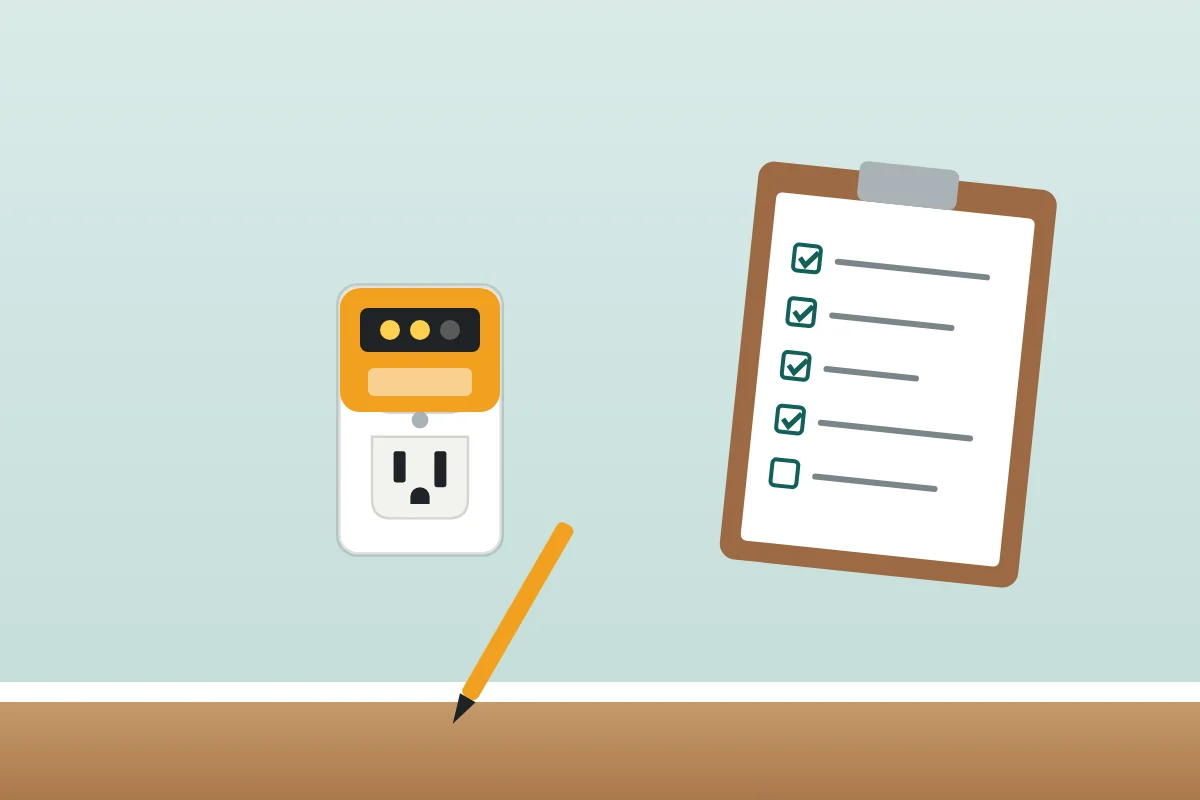
Illustration of an outlet tester in a wall receptacle beside an inspection checklist

Many Chattanooga homeowners start thinking about home electrical upgrades after a home inspection, a new baby or an aging parent moving in. A local electrician can look at the house and help sort the upgrades into what matters now and what can wait.

What Counts as a Safety Upgrade

Most safety improvements fall into a few groups: shock protection (GFCI outlets or breakers near water and outdoors), fire protection (AFCI breakers on bedroom and living area circuits), early warning (hardwired, interconnected smoke and carbon monoxide alarms), and basic correctness (proper grounding, tight connections, covered boxes and a clearly labeled panel).

Each one can usually be done on its own. That makes this kind of work a good fit for homeowners who want a safer house without opening every wall. For the details on shock and arc protection, see GFCI and AFCI protection, and for alarms, hardwired smoke and CO detector wiring.

Situations Where Homeowners Ask About Safety Improvements

  1. A home inspection report lists missing GFCI protection in the kitchen, baths or garage.

  2. A toddler is starting to crawl and the outlets are not tamper-resistant.

  3. An older parent is moving in and the hallway and stair lighting is dim or switched from only one end.

  4. Smoke alarms are battery-only, mismatched, or do not sound together.

  5. Outdoor outlets near the patio or pool have no weatherproof cover or protection.

Clues the House Is Missing Basic Protections

  • Bathroom, kitchen or exterior outlets without test and reset buttons and no GFCI breaker feeding them.
  • Junction boxes in the attic, basement or garage with no cover plate.
  • A panel directory that is blank, faded or clearly wrong.
  • Smoke alarms older than about ten years, or none in bedrooms.
  • Extension cords used as permanent wiring for lamps or appliances.

How a Safety Upgrade Visit Usually Comes Together

An electrician typically walks the house first, then recommends a short list of upgrades ranked by risk. Some items take minutes per location; others, like adding interconnected alarms or AFCI breakers, depend on panel type and how the circuits are run.

  • GFCI coverage in kitchens, baths, laundry, garage, crawl space and outdoors
  • AFCI protection on bedroom and living area circuits
  • Smoke and carbon monoxide alarm locations and interconnection
  • Grounding and bonding at the panel and water line
  • Open boxes, loose devices and warm or discolored outlets
  • Panel labeling and breaker condition
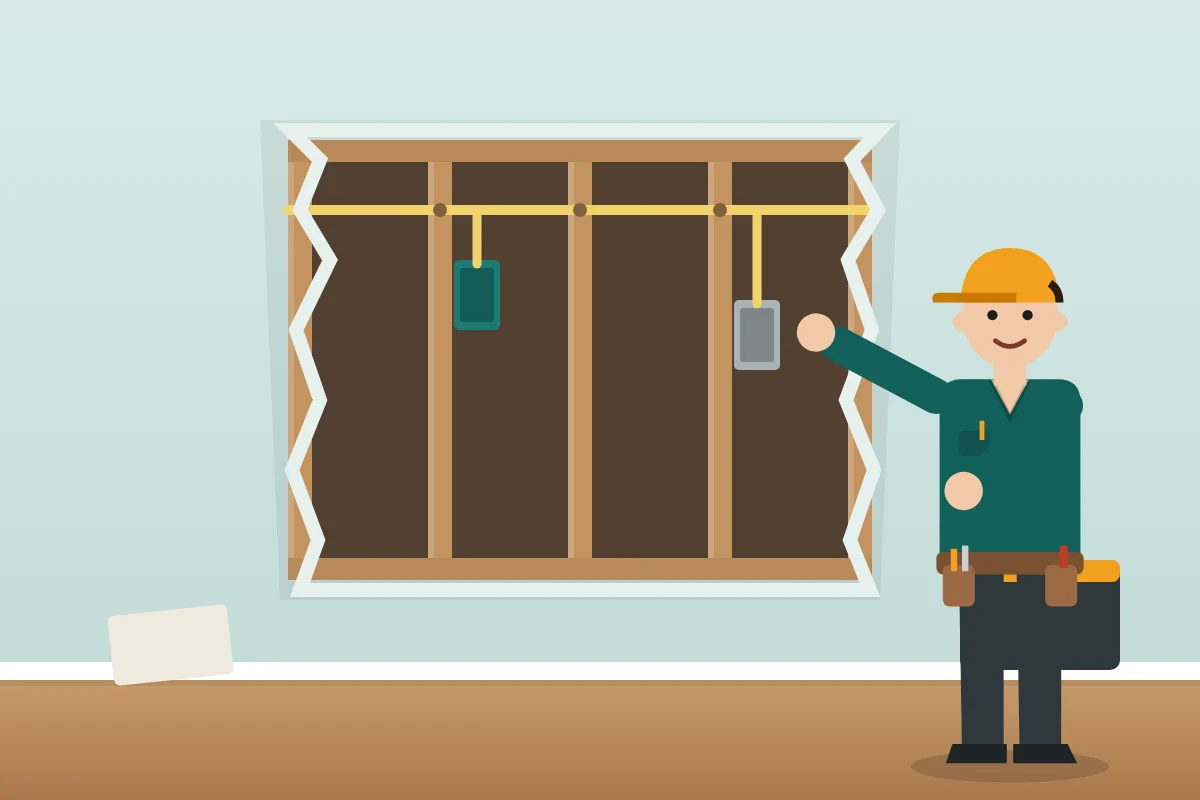
Illustration of an electrician repairing wiring behind opened drywall
Illustration. People shown are not contractors listed on this site.

How it usually works

  1. Call and describe the house

    Call to be connected with an independent local electrician, and mention the age of the home and anything a report or inspector flagged.

  2. Walk-through and priorities

    The electrician checks outlets, alarms, grounding and the panel, then explains which upgrades address the biggest risks.

  3. Scope and scheduling

    You decide which items to do now. Permit needs and timing are discussed before work starts.

  4. Install and test

    Devices are installed, every new GFCI, AFCI and alarm is tested, and the panel directory is updated.

For homes around Chattanooga

Chattanooga sees strong spring and fall storms, and many homes on hillside lots have damp crawl spaces, walk-out basements and outdoor outlets that take a lot of weather. Those are exactly the places where shock protection matters most. In older houses around Highland Park or St. Elmo, safety upgrades are often the first step before a homeowner decides on larger older-home electrical updates.
Related problems

Problems that often lead to electrical safety upgrades

  • GFCI Outlet Won't Reset

    A GFCI that will not reset may have no power, may be sensing a real ground fault, or may simply have worn out.

    Get it checked soon
  • Electrical Wiring Has No Ground

    Ungrounded wiring is common in older homes and can be addressed with grounding conductors, GFCI protection or rewiring, depending on the circuit.

    Get it checked soon
  • Outlet Sparks When Plugging In

    A small, brief spark can be normal when plugging in a device that's switched on, but large, loud or repeated sparks point to a problem.

    Act promptly

Related services

Often planned alongside electrical safety upgrades

Wiring & Older Homes

GFCI & AFCI Protection

Shock protection near water and arc-fault protection for living spaces, added or corrected by a local electrician in the Chattanooga area.

Wiring & Older Homes

Smoke & Carbon Monoxide Detector Wiring

Hardwired, interconnected smoke and CO alarms so one alarm sounds them all, installed or replaced by a local Chattanooga-area electrician.

Inspections, Code & Real Estate

Electrical Inspections

A thorough evaluation of your home's panel, wiring, grounding and safety devices, with clear findings on hazards and wear.

Wiring & Older Homes

Older Home Electrical Updates

Step-by-step fixes for two-prong outlets, ungrounded circuits, knob-and-tube and small panels without always rewiring the whole house.

Service areas

Electrical Safety Upgrades around Chattanooga

Homeowners from Soddy-Daisy to Ringgold call about electrical safety upgrades. Calls go to participating independent electricians; pick your community for local context.

See every service area →

FAQ

Electrical Safety Upgrades: common questions

Straight answers to the questions homeowners ask most about this topic.

Call Now

Most electricians start with GFCI protection near water and outdoors, then working, interconnected smoke and CO alarms, then AFCI protection and grounding issues. The right order depends on what your house already has, so a quick walk-through usually sets the priorities.

No. Most safety improvements are done at the outlet, the alarm location or the panel without opening walls. Rewiring only comes up when the existing wiring itself is failing or unsafe, and an electrician should explain why if they suggest it.

They are a simple, low-disruption change. Tamper-resistant outlets have internal shutters that block objects pushed into one slot. Many parents add them in older homes when outlets are being replaced anyway.

Sometimes. It depends on the panel make, whether compatible breakers are available, and how the circuits are wired. In some older homes, shared neutrals or wiring faults cause AFCIs to trip until those issues are corrected, which is useful information in itself.

Interconnected alarms sound together, so a fire in the basement wakes people upstairs. New homes are built that way. In existing homes, hardwiring is often practical during other electrical work, and some interconnected options use wireless links where running new cable is difficult.

Some do and some do not, and rules vary by city and county. Replacing a like-for-like device often does not, while adding circuits or changing the panel usually does. The electrician you are connected with should know the local requirements and handle any permit.

Call now

Ready to talk about electrical safety upgrades?

One call connects you with a local electrician who can look at your home and explain your options.

Your call connects you with an independent local electrician who serves your area.