Panels, Breakers & Service

Electrical Panel Repair and Replacement in Chattanooga

Your electrical panel is the metal cabinet where power from the utility is split into individual circuits. Panel repair addresses a specific defect, like a damaged bus bar, a corroded neutral bar or a missing cover. Panel replacement swaps the entire cabinet and its breakers for a new one.

Your call connects you with an independent local electrician who serves your area.

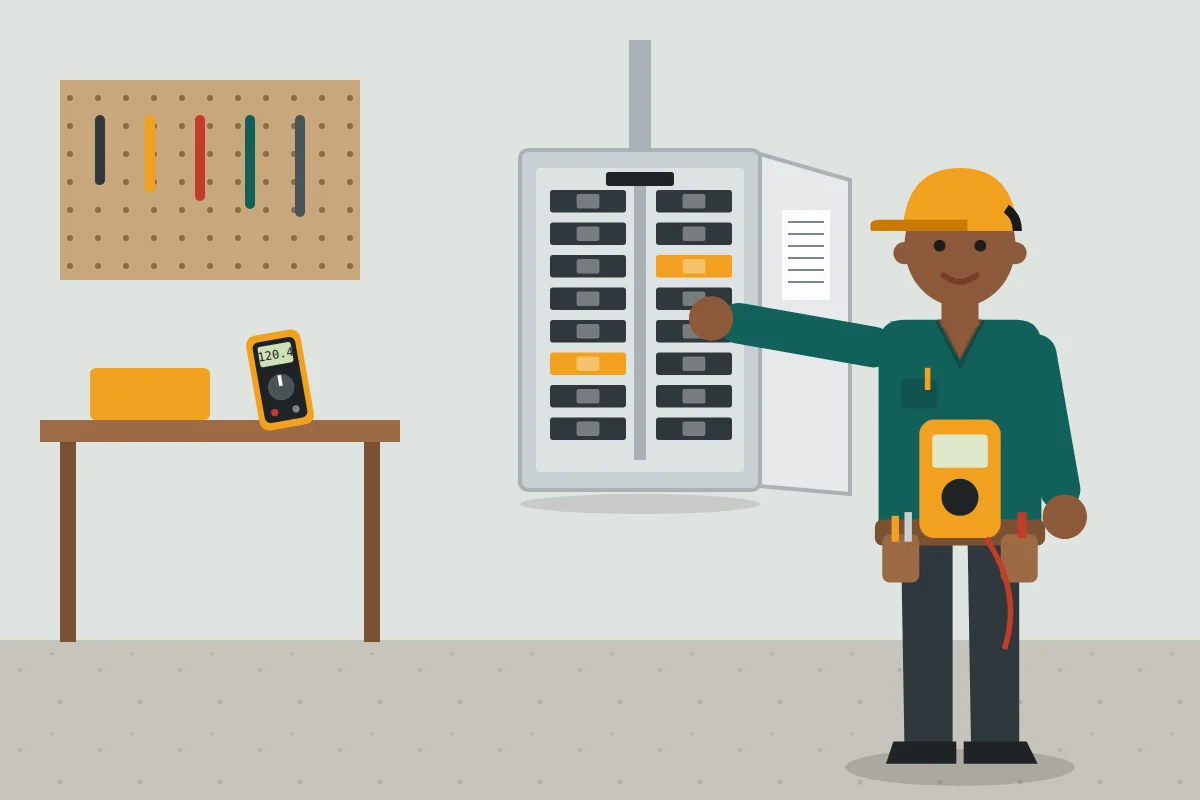
Illustration of an electrician testing an open residential breaker panel in a garage

This page is about the box as a whole. If one breaker is acting up, that is usually circuit breaker service. If the house simply needs more power than the utility connection provides, that is an electrical service upgrade, which often includes a new panel but goes further.

Repair Versus Replacement: How the Decision Gets Made

Repair makes sense when the panel is a sound, supported model with one localized problem: a scorched breaker slot, a loose main lug, a rusted cover, or a missing knockout filler. Replacement is usually recommended when the damage is widespread, parts are no longer made, the panel has run out of usable space, or the model has a poor track record.

Federal Pacific (Stab-Lok) and Zinsco panels are the two most commonly flagged. Many electricians and home inspectors recommend replacing them because of documented concerns about breakers that may not trip reliably or connections that overheat. A local electrician can identify the panel and explain the options in plain terms.

Common Reasons Homeowners Call About a Breaker Panel

  1. A home inspector flagged the panel during a purchase or sale.

  2. The panel is full and there is no room for a new kitchen, EV or HVAC circuit.

  3. Water got into the panel from a leaky mast, siding or basement flooding.

  4. Breakers feel hot, or there is a burnt smell near the panel.

  5. The panel is a Federal Pacific (Stab-Lok) or Zinsco model.

  6. An insurer asked about the panel's age or brand.

Warning Signs at the Panel

  • Rust, white crust or water stains on or inside the cover.
  • Discoloration, melted plastic or a scorched odor.
  • A buzzing or crackling sound from the panel.
  • Breakers that will not stay seated or feel loose.
  • Fuses instead of breakers, or a panel that predates the house's additions.

What a Panel Repair or Replacement Involves

Repairs are often finished in one visit. A full panel replacement means scheduling a power shutoff, sometimes coordinating with the utility, transferring every circuit to the new panel, correcting grounding and bonding, and passing a local inspection before the work is closed out.

  • Panel brand, age, rating and listing
  • Bus bar and breaker connections for heat damage
  • Main breaker or main lugs and service conductors
  • Neutral and ground bars, bonding and grounding electrode
  • Space for future circuits
  • Moisture entry points above and around the panel
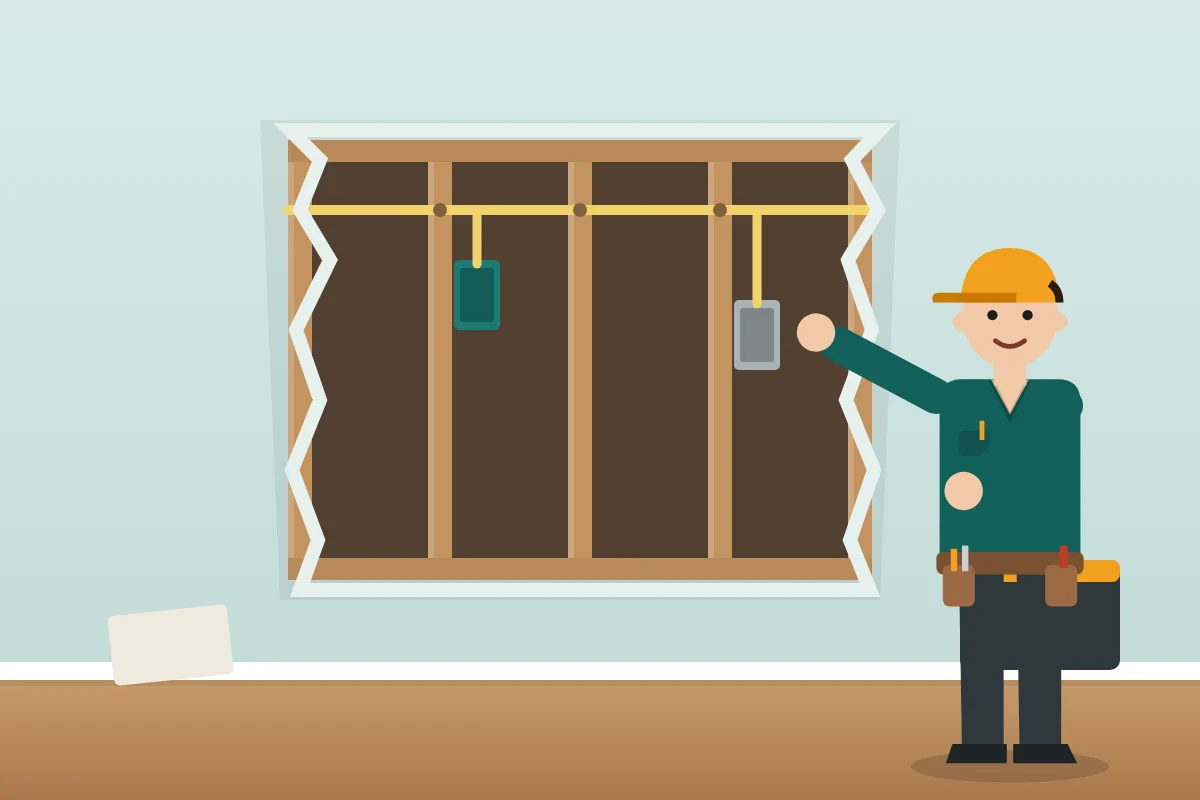
Illustration of an electrician repairing wiring behind opened drywall
Illustration. People shown are not contractors listed on this site.

How it usually works

  1. Call about the panel

    Call to reach an independent local electrician and describe the panel, any brand on the label, and what you have noticed.

  2. Panel evaluation

    The electrician inspects the cabinet, breakers and connections and explains whether repair or replacement fits.

  3. Permit and shutoff plan

    For replacement, the permit, utility coordination and power-off window are arranged ahead of time.

  4. Work, inspection and labeling

    The panel is repaired or replaced, circuits are tested and labeled, and the local inspection is completed.

For homes around Chattanooga

Chattanooga has many homes from the early and mid 1900s in neighborhoods like Brainerd and North Shore, and some still have fuse boxes or panels added decades ago. Humid summers and basement panels can also mean corrosion. Homeowners preparing to sell often find panel questions come up first; see how to tell if a panel is outdated.
Related problems

Problems that often lead to electrical panel repair & replacement

  • Electrical Panel Has Too Many Breakers

    A crowded panel with tandem breakers or two wires under one screw can be a code and safety problem, especially in homes that have added circuits over the years.

    Get it checked soon
  • Not Enough Breaker Space in Panel

    Running out of panel slots is common when adding an EV charger, hot tub or remodel circuits, and there are usually several ways to make room.

    Usually not an emergency
  • Breaker Trips After Installing New Appliance

    A new appliance that keeps tripping a breaker usually points to an overloaded circuit, a wrong-size breaker or a wiring fault at the new connection.

    Get it checked soon

See the work

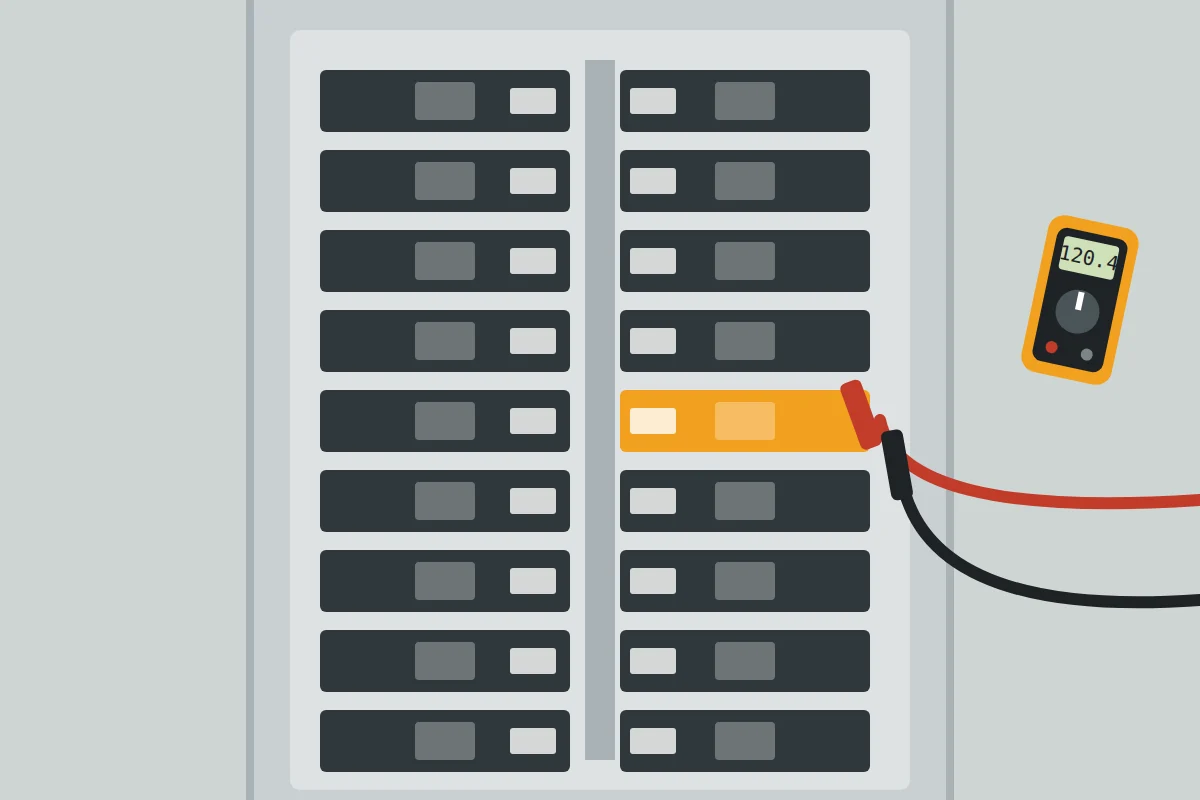
A residential electrical panel inspection

A short look at what electrical panel repair & replacement can involve in a typical house. Every home is different, and the electrician you speak with will explain the steps for yours.

A residential electrical panel inspection

Related services

Often planned alongside electrical panel repair & replacement

Panels, Breakers & Service

Circuit Breaker Services

Help with individual breakers that trip, run hot, feel loose or need replacing, plus new breakers for added circuits.

Panels, Breakers & Service

Electrical Service Upgrades

Increasing the size of the home's electrical service, based on a load calculation and coordinated with the power company.

Panels, Breakers & Service

Meter Base & Service Entrance

Repair of the mast, weatherhead, meter base and entrance cable on the homeowner's side, including storm damage from falling limbs.

Inspections, Code & Real Estate

Electrical Work for Home Sales

Pre-sale electrical checks, repairs and documentation that help sellers handle electrical issues before a buyer's inspection finds them.

Service areas

Electrical Panel Repair & Replacement around Chattanooga

Homeowners from Soddy-Daisy to Ringgold call about electrical panel repair & replacement. Calls go to participating independent electricians; pick your community for local context.

See every service area →

FAQ

Electrical Panel Repair & Replacement: common questions

Straight answers to the questions homeowners ask most about this topic.

Call Now

These panels are widely flagged because of concerns that some breakers may not trip when they should and that connections can overheat. Not every one has failed, but many electricians recommend replacement. An electrician can confirm the model and condition.

Light surface rust on the cover can sometimes be addressed, but corrosion on the bus bar, breakers or neutral bar usually means replacement. Finding and fixing where the moisture came from matters just as much, or the new panel will corrode too.

The hands-on work is often about a day, with the power off for much of it. Scheduling the permit, inspection and any utility disconnect adds lead time. The electrician will give you a realistic window before the work begins.

Not by itself. A new panel of the same size gives you safer connections and possibly more breaker spaces, but total capacity is set by the service. If you need more amperage, that is a service upgrade, which may include the panel.

Cost factors include panel size, whether the meter base or service conductors also need work, grounding corrections, the number of circuits to transfer, permit requirements and access. A tight closet or finished wall around the panel can add labor.

Not always. If a buyer's inspector is likely to flag a known problem panel or visible damage, handling it ahead of time can keep the sale moving. An electrician can help you decide what is truly needed versus what is optional.

Call now

Ready to talk about electrical panel repair & replacement?

One call connects you with a local electrician who can look at your home and explain your options.

Your call connects you with an independent local electrician who serves your area.