
Inspections, Code & Real Estate

Home Electrical Inspections in Chattanooga

An electrical inspection is a system-wide evaluation of your home's wiring and equipment. It looks at the service, panel, branch circuits, grounding and safety devices to find hazards, wear and anything that falls short of current safety expectations.

Your call connects you with an independent local electrician who serves your area.

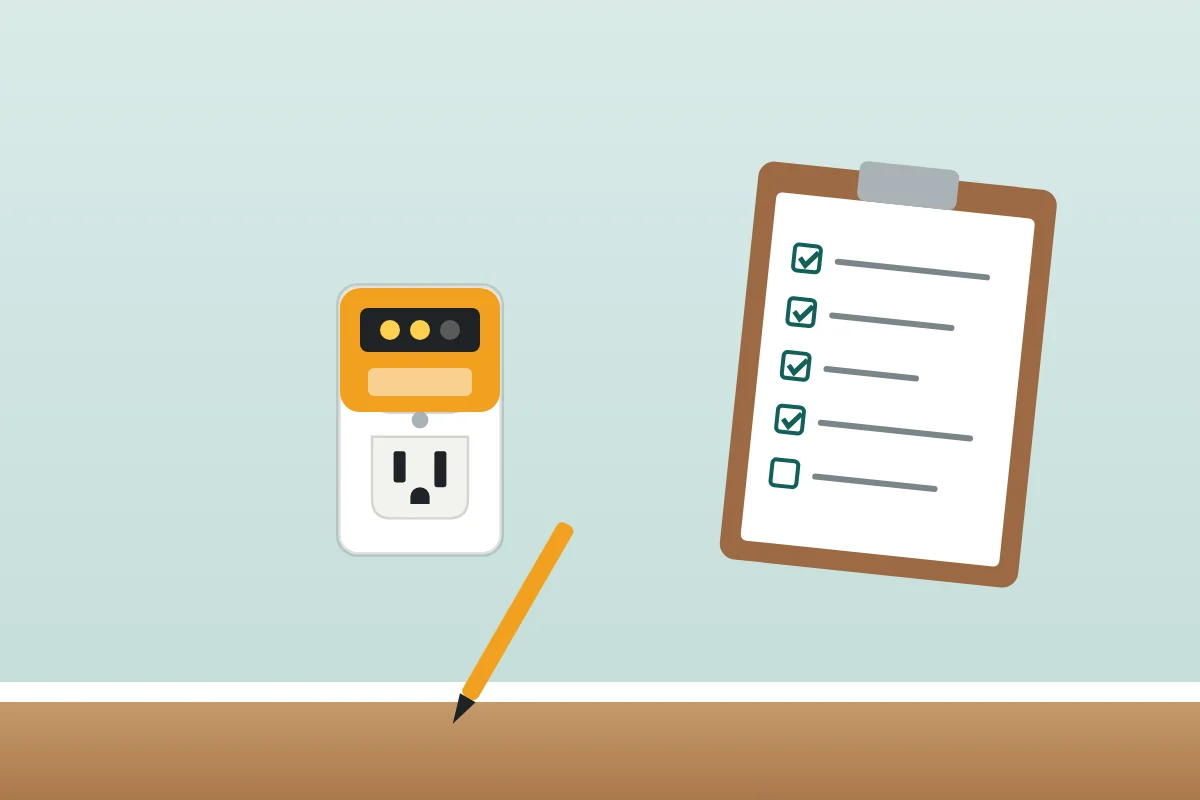
Illustration of an outlet tester in a wall receptacle beside an inspection checklist

For an electrical inspection in Chattanooga, a call connects you with an independent local electrician. An electrician's inspection goes deeper than the quick electrical section of a general home inspection, and it can be done any time, not only when buying a home or selling one.

What a Home Electrical Inspection Looks At

The electrician starts at the service entrance and panel, checking capacity, breaker sizing, signs of heat and overall condition. From there they sample outlets and switches, test GFCI and AFCI protection, look at grounding and bonding, and check visible wiring in the attic, basement or crawlspace.

The result is a list of findings, usually sorted by urgency. Safety hazards come first, followed by items that are worn or outdated and items that are simply improvements. Some findings lead directly to code correction work, while others go on a longer-term plan.

When an Electrical Safety Inspection Makes Sense

  1. The home is older and you have never had the wiring evaluated.

  2. You are planning a remodel, addition or large new appliance.

  3. After a fire, flood or major storm affected the home.

  4. You notice several small problems and want the full picture.

  5. Your insurer has asked about the panel or wiring type.

Signs It Is Time for a Closer Look

  • Two-prong outlets throughout much of the house.
  • A Federal Pacific (Stab-Lok) or Zinsco panel.
  • Knob and tube or cloth-insulated wiring visible in the attic or basement.
  • Frequent tripping or warm cover plates.
  • Extension cords used as permanent wiring.

What the Inspection May Involve

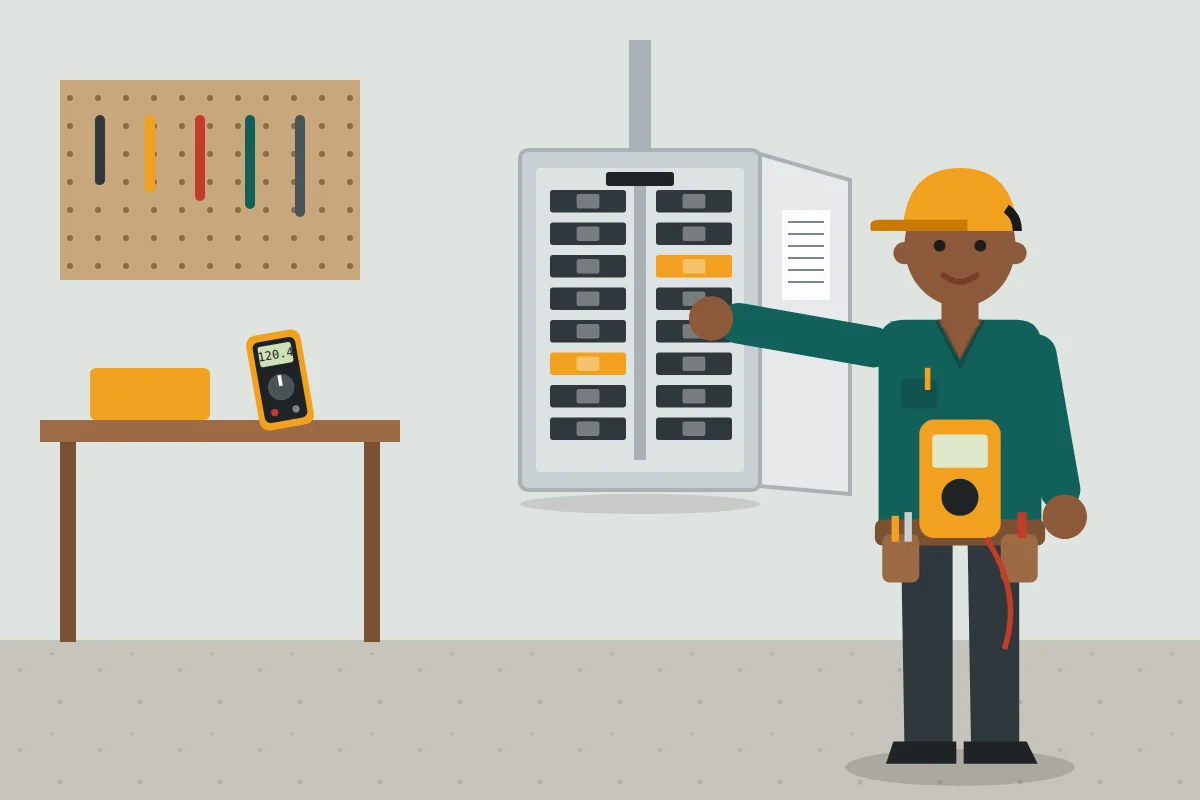
Expect the electrician to remove the panel cover, test a sampling of devices throughout the home, and check accessible attic and crawlspace areas. Ask if you will receive written findings and how items are prioritized.

  • Service entrance, meter base and grounding electrode
  • Panel condition, breaker sizing and signs of heat
  • Outlet polarity, grounding and wear
  • GFCI and AFCI protection where expected
  • Smoke and CO alarm placement and operation
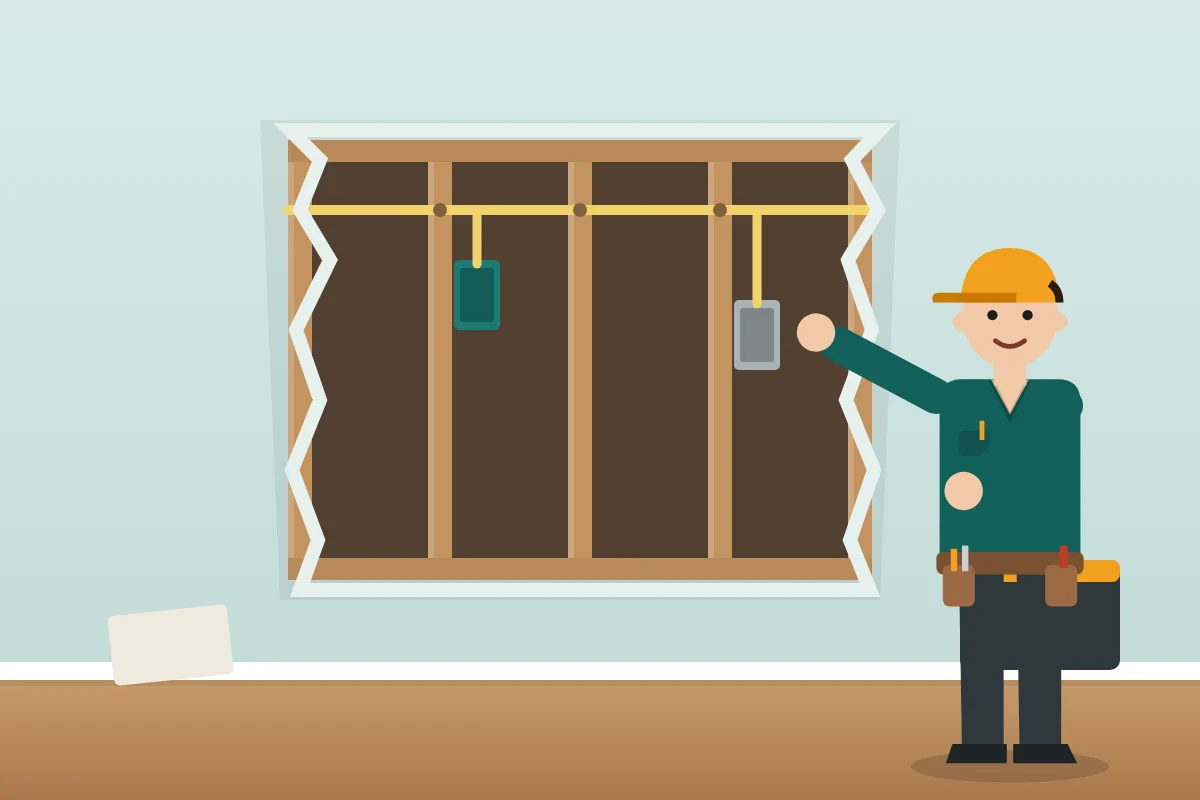
  • Visible wiring type, splices and junction boxes

Illustration of a craftsman-style home with a deep front porch
Illustration. People shown are not contractors listed on this site.

How it usually works

  1. Call to request an inspection

    Share the home's age, size and any known concerns.

  2. Get connected

    You are connected with an independent electrician who performs residential inspections.

  3. System evaluation

    The electrician checks the service, panel, circuits, grounding and devices.

  4. Findings and priorities

    You get an explanation of hazards, worn items and suggested next steps.

For homes around Chattanooga

Many Chattanooga homes in North Shore, Highland Park and Brainerd date from the early and mid 1900s, and older wiring methods are still found behind plaster walls in some of them. Mid-century ranches in the suburbs often have their own issues, such as ungrounded outlets or panels that are now considered outdated. An inspection sorts out which of these apply to your house.
Related problems

Problems that often lead to electrical inspections

  • Old House Has Knob and Tube Wiring

    Knob and tube wiring isn't automatically dangerous, but its age, lack of a ground and past modifications make an evaluation and replacement plan wise.

    Get it checked soon
  • Electrical Wiring Has No Ground

    Ungrounded wiring is common in older homes and can be addressed with grounding conductors, GFCI protection or rewiring, depending on the circuit.

    Get it checked soon
  • Old House Has Two-Prong Outlets

    Two-prong outlets mean the circuit likely has no ground, and the fix is a grounding or GFCI solution, not simply swapping in three-prong outlets.

    Get it checked soon

See the work

A residential electrical panel inspection

A short look at what electrical inspections can involve in a typical house. Every home is different, and the electrician you speak with will explain the steps for yours.

A residential electrical panel inspection

Related services

Often planned alongside electrical inspections

Inspections, Code & Real Estate

Electrical Code Corrections

Fixing the electrical items a permit inspector or home inspector flagged so the work meets current code and safety expectations.

Repairs & Diagnostics

Electrical Maintenance

Periodic checkups of your panel, connections, GFCI and AFCI devices and smoke alarms to catch small issues before they become repairs.

Panels, Breakers & Service

Electrical Panel Repair & Replacement

When the breaker box itself is worn, damaged, full or an older problem model, an electrician can repair it or replace it with a new panel.

Wiring & Older Homes

Older Home Electrical Updates

Step-by-step fixes for two-prong outlets, ungrounded circuits, knob-and-tube and small panels without always rewiring the whole house.

Service areas

Electrical Inspections around Chattanooga

Homeowners from Soddy-Daisy to Ringgold call about electrical inspections. Calls go to participating independent electricians; pick your community for local context.

See every service area →

FAQ

Electrical Inspections: common questions

Straight answers to the questions homeowners ask most about this topic.

Call Now

A general home inspector looks at many systems and usually does a visual check of the electrical. An electrician focuses only on the electrical system, can test more thoroughly and can explain how to correct what is found.

It can find knob and tube where it is visible in attics, basements or crawlspaces, or where outlets show signs of it. Wiring hidden inside finished walls may not be fully visible without opening walls.

It helps to be there, so you can point out concerns and ask questions as the electrician works. You will also need to provide access to the panel, attic, basement or crawlspace, and any outbuildings.

The electrician should explain the risk, how urgent it is and whether the affected circuit should be shut off until repaired. You can then decide who will do the work and when.

Many inspections test a representative sample of outlets in each room, plus every GFCI and AFCI device. Ask the electrician how they approach it if you want every outlet checked.

Yes. An electrician can identify the panel brand, type and condition and describe the wiring. That information helps when an insurer asks about older panels or wiring types.

Call now

Ready to talk about electrical inspections?

One call connects you with a local electrician who can look at your home and explain your options.

Your call connects you with an independent local electrician who serves your area.