What you may be noticing
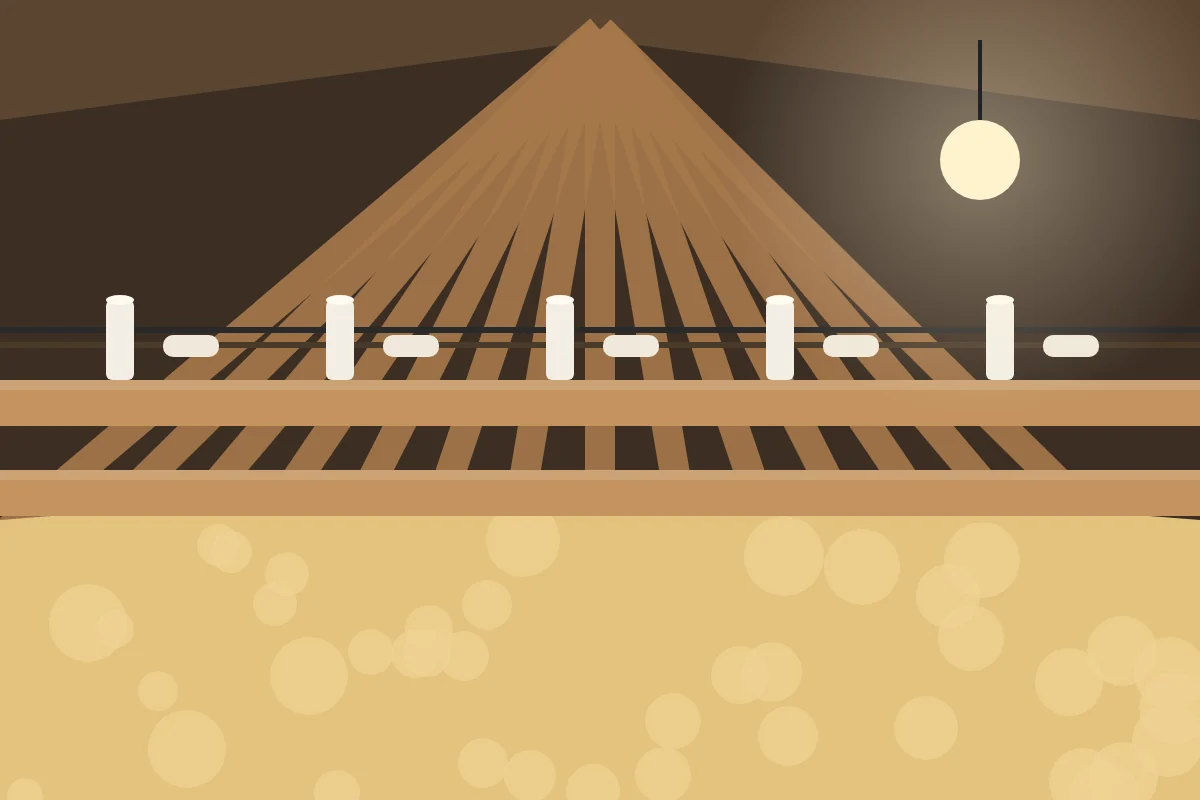
- You see porcelain knobs and tubes with single wires in the attic, basement or crawlspace.
- Most outlets are two-prong, and some rooms have very few.
- Lights flicker or dim when appliances run.
- An insurer or home inspector asked about knob and tube.
Common possible causes
Original construction
Many early 1900s homes in Chattanooga neighborhoods such as St. Elmo, North Shore and Highland Park were wired this way, and some circuits remain active.
Partial rewiring
Previous owners may have updated parts of the house, leaving knob and tube on certain circuits. Spliced connections between old and new wiring can be weak points.
Insulation added later
Blown-in attic insulation covering knob and tube can trap heat that the wiring was designed to release into open air.
Overloading
Knob and tube circuits were designed for lighting and a few small appliances, not modern kitchens and electronics.
Damage over time
Rodents, renovations and heat can damage brittle insulation and loosen connections.
Safe checks you can make
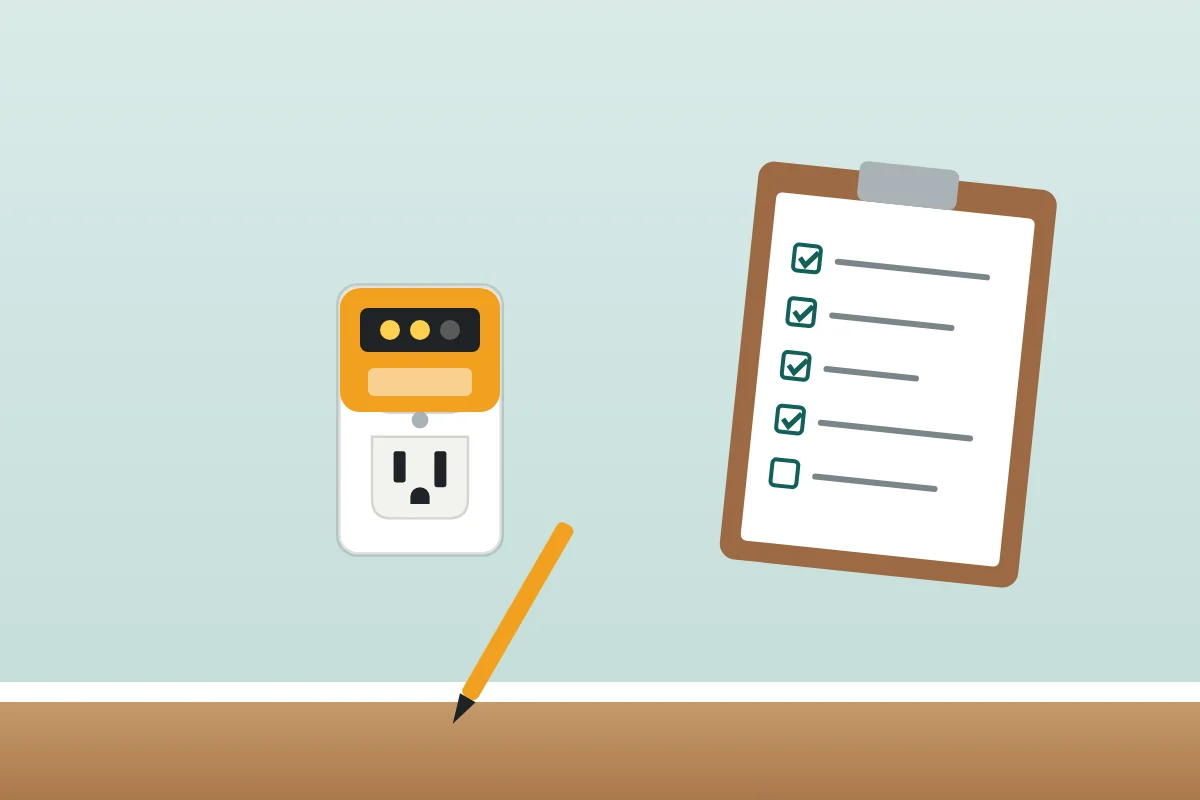
- Look, without touching, for knobs, tubes and cloth-covered wires in accessible attics or basements.
- Note whether insulation covers any of it.
- Count two-prong outlets and identify rooms that feel underpowered.
- Check with your insurance company about their requirements.
What not to do
- Don't touch, move or pull on old wiring in attics or crawlspaces.
- Don't blow insulation over active knob and tube before an electrician evaluates it.
- Don't upgrade breakers or fuses to stop tripping.
- Don't extend knob and tube circuits with new wiring yourself.
Can you sort this out yourself?
There's nothing a homeowner should repair on knob and tube itself. You can lighten the load by avoiding space heaters and heavy appliances on old circuits, and you can gather information for insurance and planning. Whether it's still active, and how much of the house it serves, takes a professional evaluation.
When professional help is appropriate
- You aren't sure whether the knob and tube is still energized.
- Your insurer requires an evaluation or replacement.
- Wiring shows damaged, brittle or missing insulation.
- Breakers or fuses trip frequently.
- You plan to insulate the attic or remodel.
What an electrician typically checks
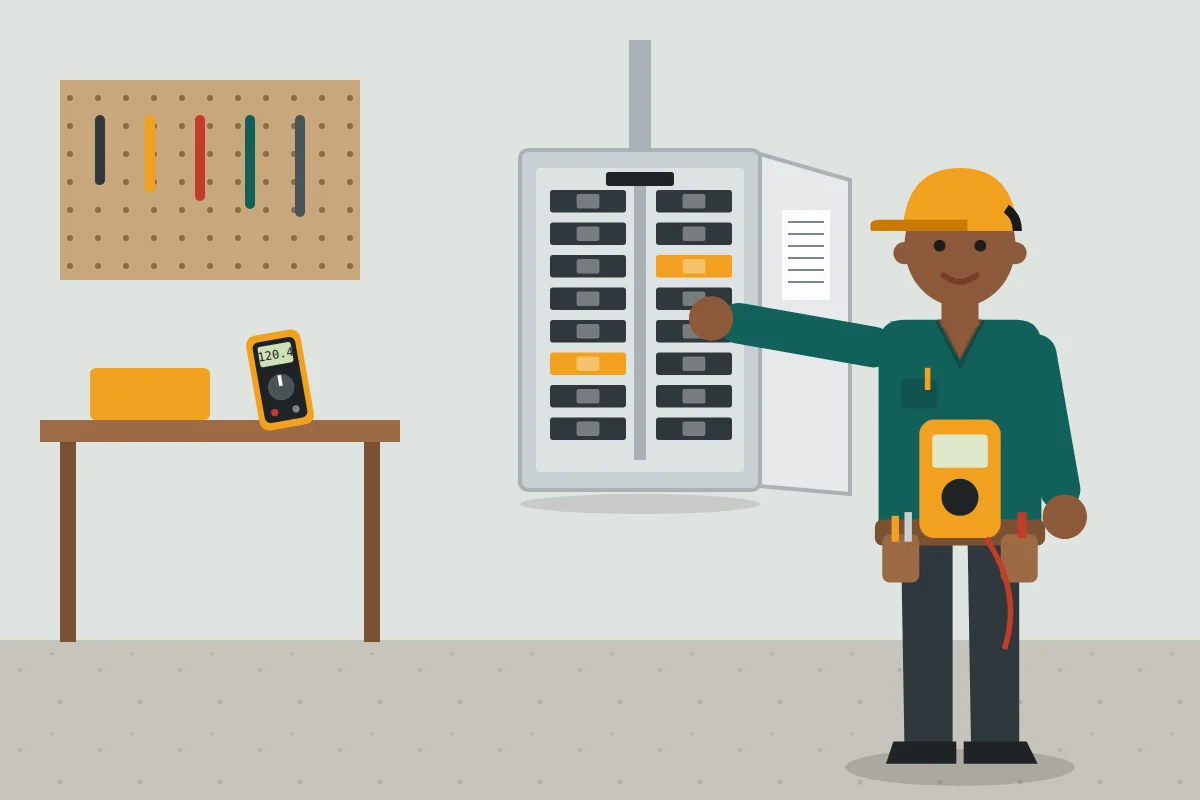
An electrician will find where knob and tube is still active, check its condition and look for splices to newer wiring. They'll also note any circuits that are buried in insulation or overloaded.
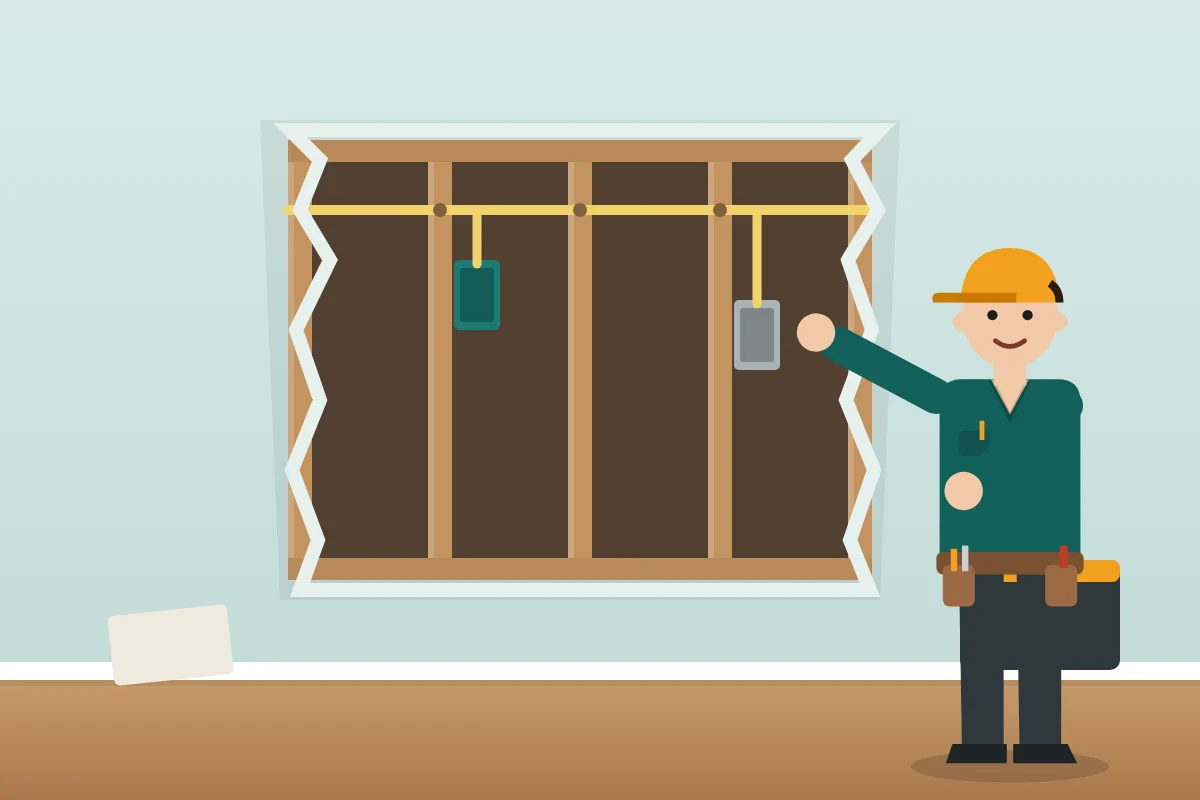
Many homeowners choose phased replacement, starting with the most used rooms, through whole-home rewiring or older home electrical updates. Work can often be planned to reduce wall openings in plaster homes, and an electrician can tell you which circuits matter most if you need to spread the project out. Expect the permit and inspection process to be part of the job, since rules vary by city and county.
Keeping it from coming back
If you're planning attic insulation, a remodel or a home purchase, schedule the wiring evaluation first. The guide on when to consider rewiring an older house walks through what affects the decision.