For anyone searching for an electrician in Cleveland TN, this page outlines the kinds of electrical work that often come up locally. Calling connects you with an independent local electrician. Who is available depends on participating providers, so the call confirms coverage for your address.
Established homes, new construction and everything between
Older homes closer to the center of Cleveland often have smaller panels and fewer circuits than modern living demands. Kitchens and bathrooms in these houses commonly need more outlets, GFCI protection and dedicated appliance circuits when they're remodeled.
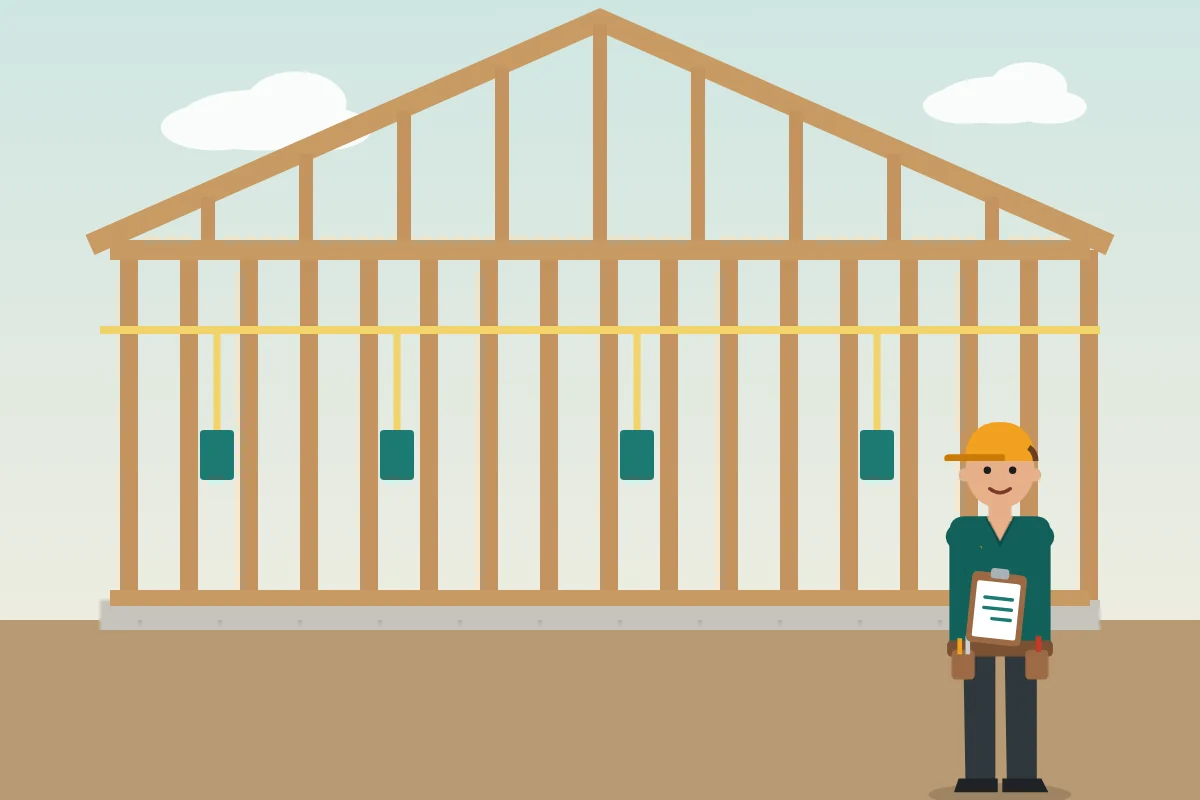
Newer homes in growing parts of the area start with more capacity, but owners still add a lot after move-in: EV chargers, finished basements, garage shops and smart-home devices. Planning those additions early helps, and electrical project planning can map out panel space before it runs short.
Practical tips for Cleveland homeowners
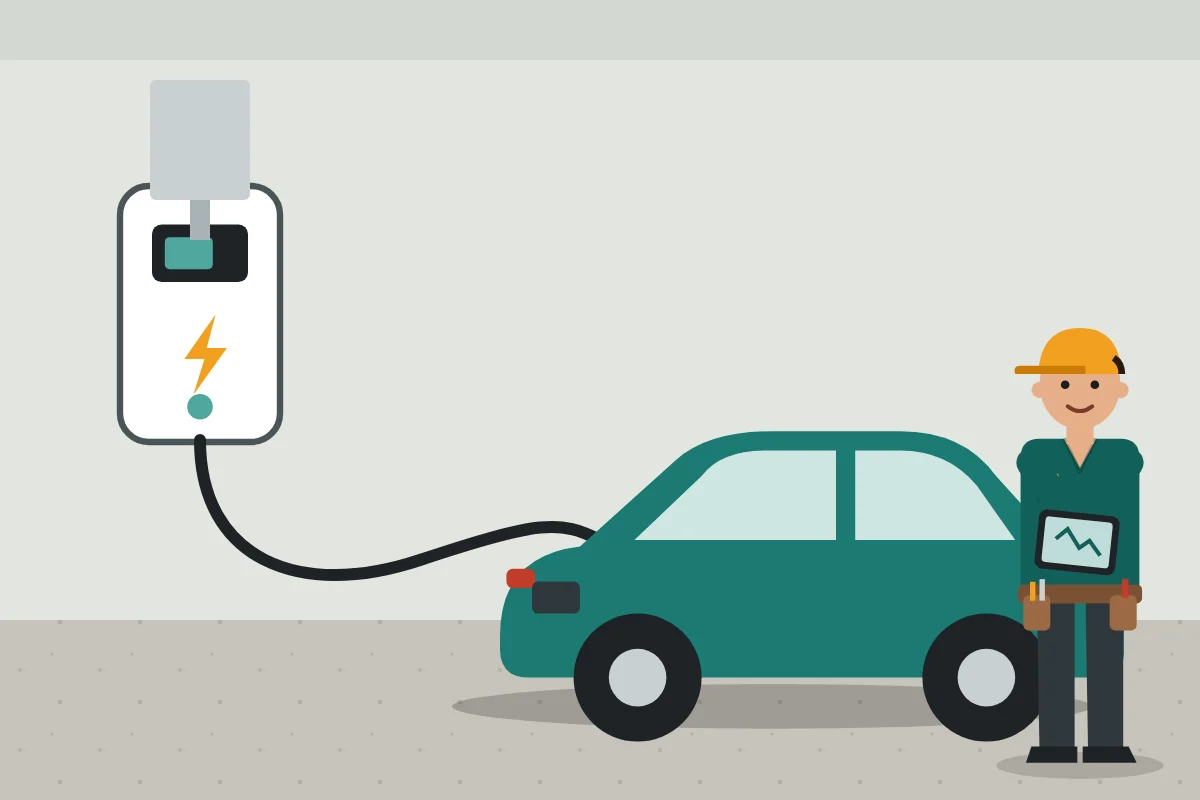
Before buying an EV, ask an electrician whether your panel can support a charger. The answer shapes what charger level makes sense.
During a kitchen remodel, plan outlets and appliance circuits before cabinets are ordered.
If you're buying a home near the university area that has been rented for years, a pre-purchase electrical check can catch DIY changes.
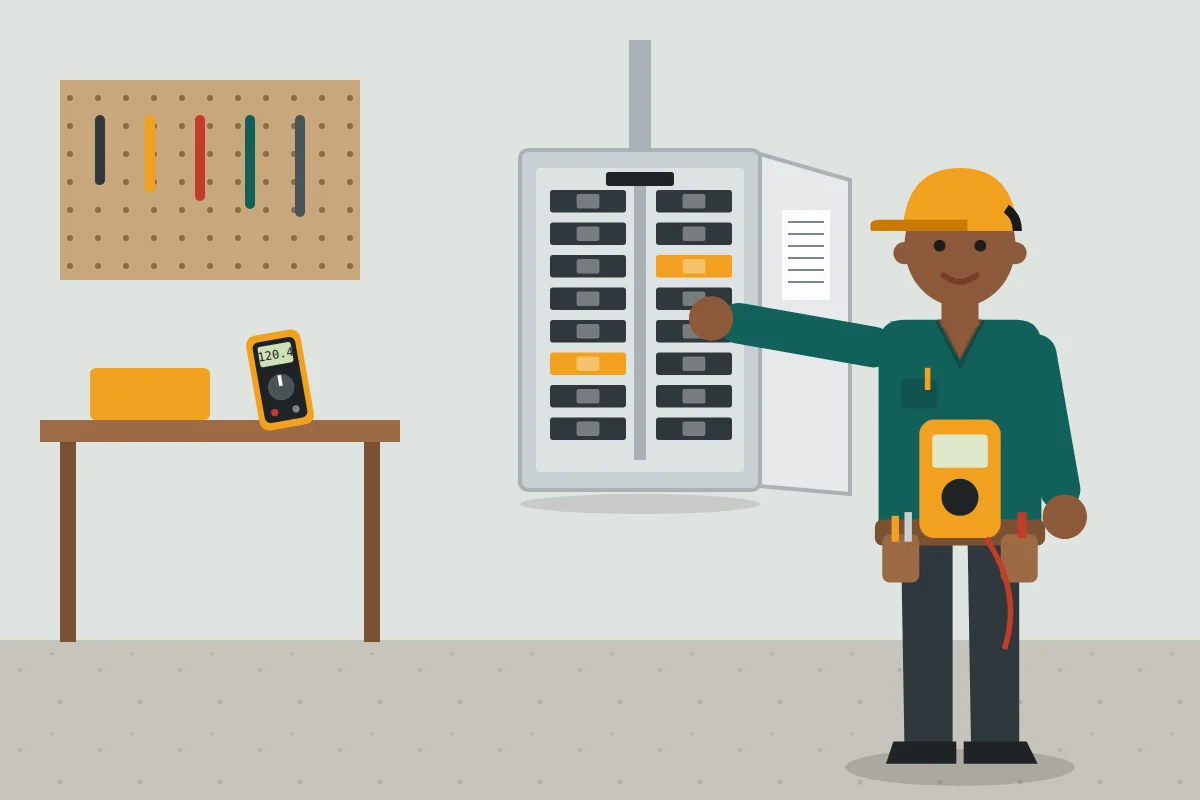
Keep a simple map of which breaker controls which rooms. It saves time on every future project.
Problems homeowners call about
- Get it checked soon
EV Charger Keeps Tripping Breaker
An EV charger that trips its breaker is usually on a circuit that's too small, has a loose connection, or is clashing with GFCI protection.
- Usually not an emergency
Kitchen Appliance Needs Its Own Circuit
Many kitchen appliances are meant to have their own circuit. Here is how to tell whether yours does, and what adding one involves.
- Usually not an emergency
Not Enough Breaker Space in Panel
Running out of panel slots is common when adding an EV charger, hot tub or remodel circuits, and there are usually several ways to make room.
- Get it checked soon
Breaker Trips After Installing New Appliance
A new appliance that keeps tripping a breaker usually points to an overloaded circuit, a wrong-size breaker or a wiring fault at the new connection.