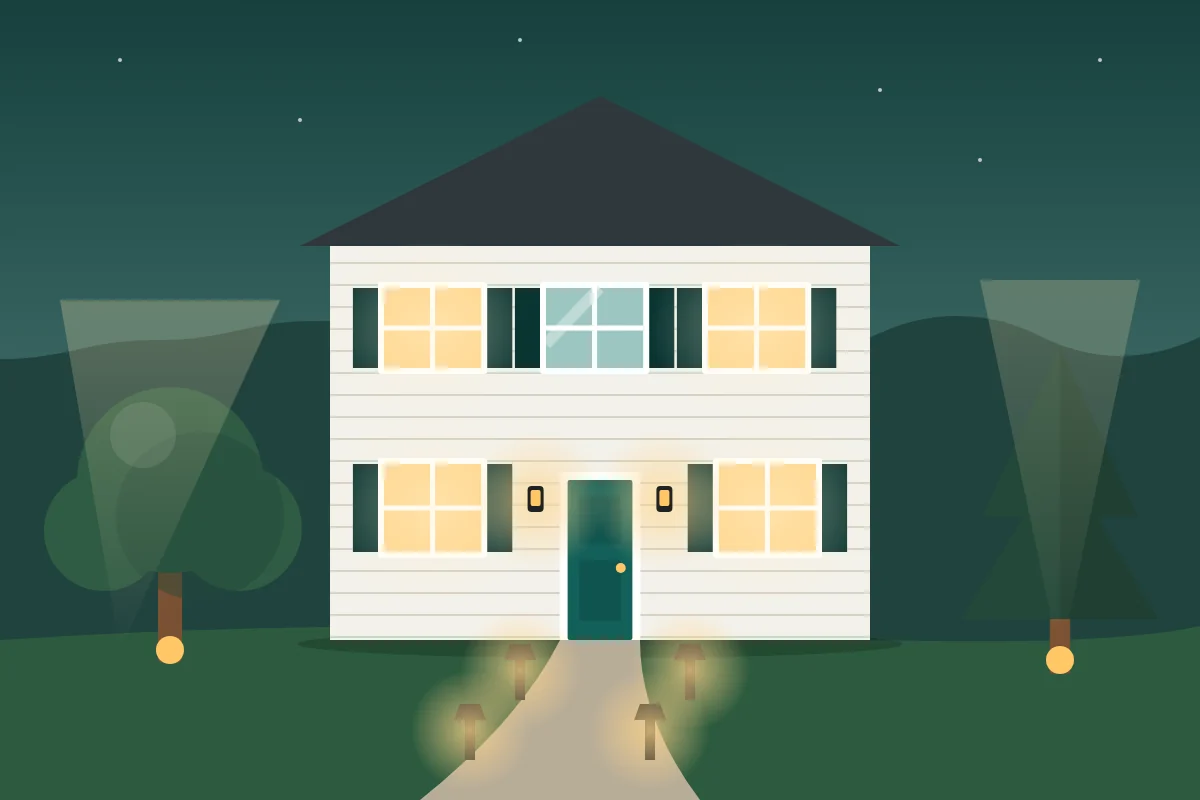

Both setups share the same goal: keep generator power from flowing out onto the utility lines, where it can injure line workers, and keep utility power from reaching the generator when service returns. A call connects you with an independent local electrician who can explain which setup fits your house.
Portable Inlet and Interlock vs. Standby with Automatic Transfer
A portable setup uses an outdoor inlet box wired to the panel. During an outage you roll the generator out, connect a cord to the inlet, slide the interlock so the main breaker is off, and turn on the circuits you want. It is a manual process, and you manage fuel, startup and how much runs at once.
A standby generator is mounted permanently outside on a pad, connected to a fuel source and wired to an automatic transfer switch. When utility power drops, it starts and moves the home over on its own. Sizing depends on what you want to run, such as a well pump, refrigerator, heat pump or medical equipment. The home generator basics guide explains the tradeoffs in more depth.
Reasons Homeowners Look Into Generators
Losing power for long stretches after storms, ice or downed trees
Needing to keep a well pump, sump pump or refrigerator running
Running medical equipment that cannot go without power
Owning a portable generator but relying on extension cords
Living on a wooded or rural lot where outages can be lengthy
Signs Your Current Backup Setup Is Unsafe or Not Enough
- A generator connected by a homemade double-ended cord, which is dangerous and should never be used
- Extension cords snaking through windows or doors during outages
- A generator run in a garage, carport or near open windows
- No way to power hardwired loads like a well pump or furnace
Planning a Generator Hookup
The electrician talks through what you need to run, looks at the panel and the generator location, and explains permit and inspection requirements. Standby units also need a fuel supply, which may involve a separate gas or propane contractor.
- Interlock or transfer switch compatibility with the panel
- Inlet location away from doors, windows and vents
- Generator sizing against essential loads
- Standby pad location and clearances from the house
- Automatic transfer switch placement and wiring
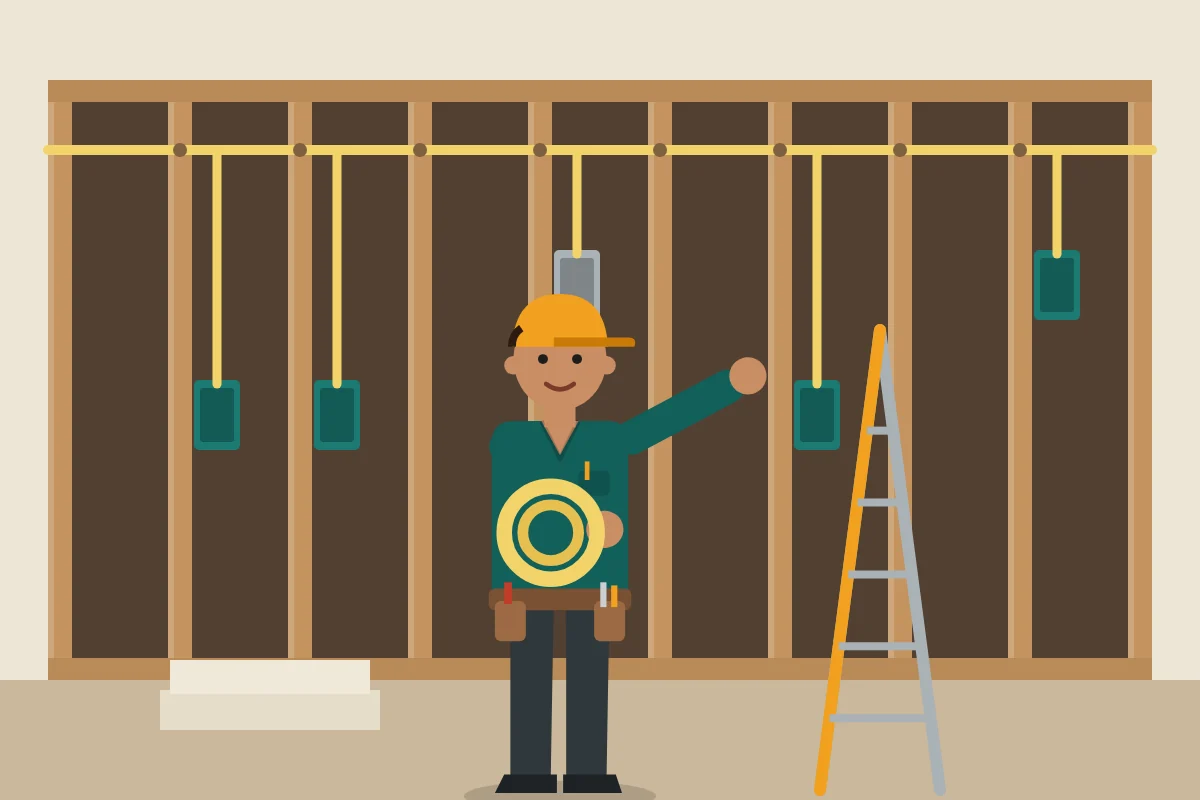
How it usually works
Call and describe your needs
Share what you want to keep running during an outage and the type of generator you have or are considering. You will be connected with an independent local electrician.
Plan loads and location
The electrician looks at the panel, lists essential loads and picks safe spots for the inlet, generator and transfer equipment.
Install the connection
The inlet and interlock, manual transfer switch or standby unit with automatic transfer switch is installed and inspected where required.
Test and show you how
The system is tested under load, and you learn the steps for switching to and from generator power safely.
For homes around Chattanooga
Spring and fall storms, tornado risk and occasional winter ice all bring outages to the Chattanooga area, and hillside lots with mature trees make limbs on service drops a frequent cause. On the Cumberland Plateau and in wooded valley communities, more ice and longer service runs can stretch outages out, and some homeowners there find standby power worth considering. Pairing a generator with surge protection helps when power comes back.