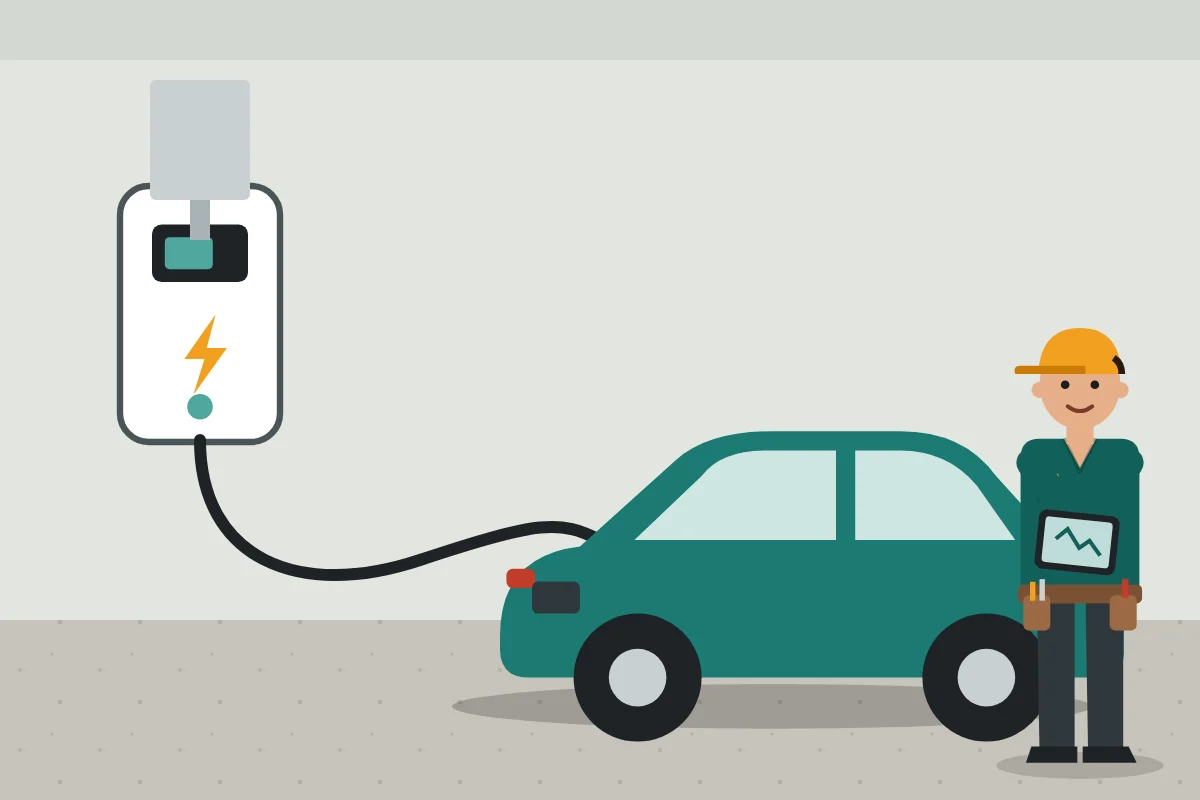

Quick answer: Whole-home surge protection is a device installed at or near your main electrical panel that diverts sudden voltage spikes to ground before they travel through your home's circuits. It works well as the first layer of a layered approach, paired with quality point-of-use protectors at sensitive electronics. It reduces the risk from many everyday surges, but no device can make a home immune to a direct lightning strike.
Most people picture lightning when they hear the word surge. Lightning is part of the story, especially in a region that sees strong spring and fall storms, but many surges are smaller and more frequent. Utility switching, a tree limb on a line, and even large appliances cycling on and off inside the house can send brief spikes through the wiring.
Modern homes are full of electronics that are sensitive to those spikes: HVAC control boards, heat pump inverters, refrigerators, washers, routers and televisions. A whole-home device is one way to reduce the wear and the occasional sudden failure that surges can cause.
What a surge actually is
A surge is a very short burst of voltage well above the normal level, lasting millionths of a second. Large ones can damage equipment instantly. Small, repeated ones may slowly degrade circuit boards, which is why some electronics seem to fail early for no obvious reason.
- External sources: nearby lightning, grid switching, storm damage to lines, and power returning after an outage.
- Internal sources: motors and compressors starting and stopping, such as air conditioners, heat pumps, well pumps and shop tools.
- Entry points other than power lines: cable, phone and antenna lines can also carry surges into the house.
How a panel-mounted protector works
A whole-home surge protective device connects to the panel and watches the voltage on the incoming lines. When voltage rises past a set threshold, internal components clamp it and route the excess energy to the grounding system. When conditions return to normal, the device steps back out of the way.
Because it acts at the point where power enters the home, it can protect circuits that a plug-in strip never would, including hardwired equipment like a furnace, a range or a well pump. Its effectiveness depends heavily on the condition of the home's grounding and bonding, which is part of what an electrician checks.
Why plug-in protectors still matter
A panel device takes the largest hit, but some energy can still pass through, and surges created inside the home do not always travel past the panel. A layered setup handles both.
Service level
A device at the panel or meter handles large external surges first.
Branch level
Dedicated circuits for sensitive equipment reduce the effect of internal spikes from shared loads.
Point of use
Quality surge strips or protected receptacles guard computers, TVs and networking gear right at the plug.
Factors that shape the right setup
There is no single configuration that suits every house. An electrician will usually consider several things before recommending a device or location.
- The type, age and available space of the existing panel.
- The condition of grounding electrodes and bonding, which the device depends on.
- Whether the home has a detached garage, workshop or outbuilding fed from a separate panel.
- Exposure: long overhead service runs, hilltop or ridge locations and wooded lots near lines.
- The value and sensitivity of equipment, such as heat pumps, medical devices or home office gear.
Homes on the ridges around Chattanooga or up on the plateau often have long, exposed service runs, which is one reason surge protection comes up often in conversations about storm preparedness, along with backup generator planning.
What surge protection cannot do
Surge devices also wear out. Each surge they absorb uses up some of their capacity. Many models have an indicator light that shows whether they are still protecting, and it is worth glancing at it after a major storm.
Safety notes for homeowners
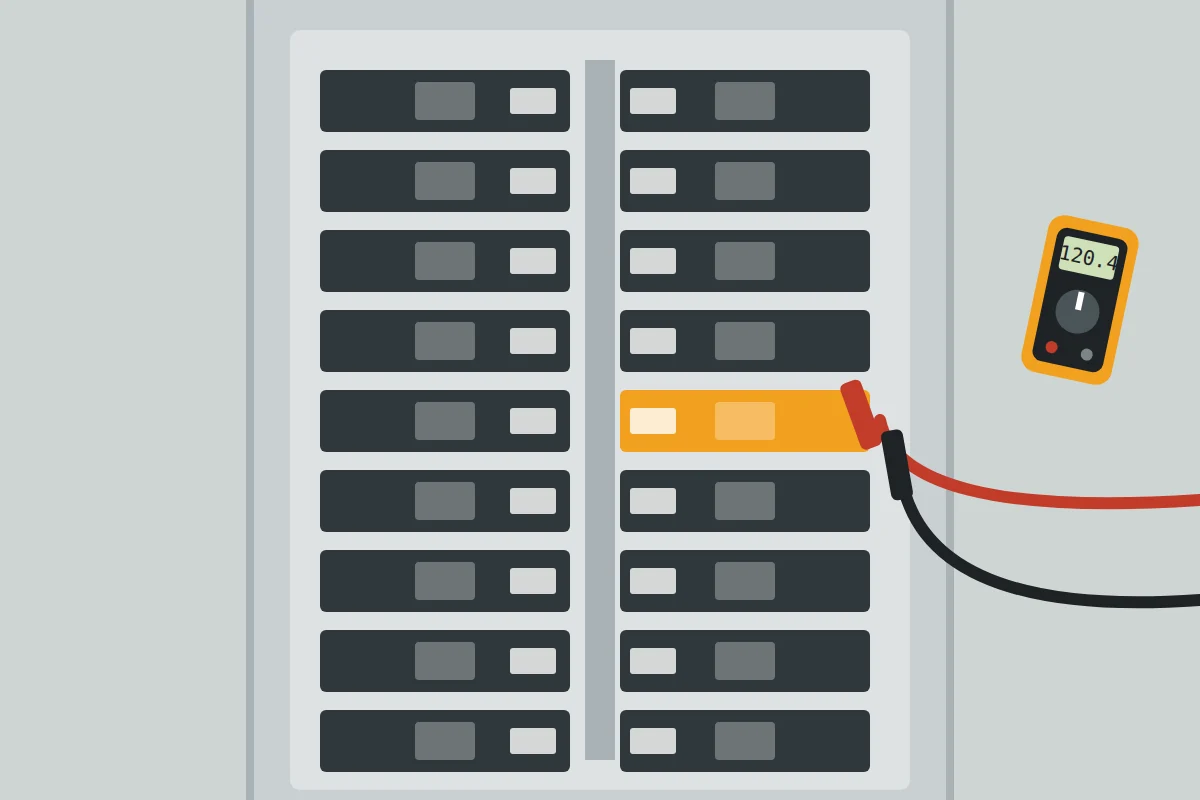
Installing a panel-mounted protector means working inside an energized panel, which is not a homeowner job. Leave the cover in place and let a licensed electrician handle the connection. After a nearby lightning strike, if you smell burning, see smoke or find scorch marks at outlets or the panel, leave the house and call 911. For non-emergency follow-up, surge protection installation can be paired with a check of grounding and connections, and a home electrical inspection can uncover other storm-related issues.