Panels, Breakers & Service

Whole-Home Surge Protection in Chattanooga

Whole home surge protection is a device installed at or near the electrical panel that limits voltage spikes before they spread through the house. It works alongside plug-in surge strips, not instead of them, to reduce wear and sudden damage to appliances, HVAC controls and electronics.

Your call connects you with an independent local electrician who serves your area.

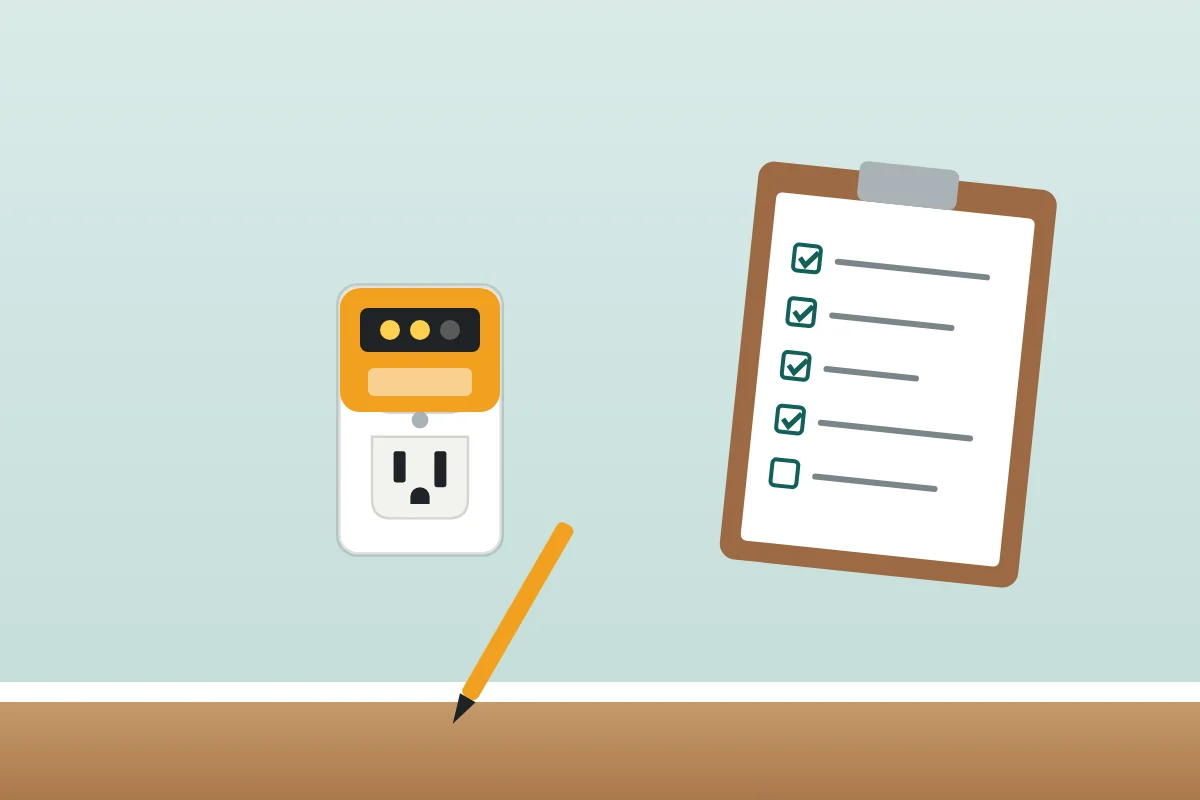
Illustration of a whole-home surge protector mounted beside a breaker panel

Surges come from outside (lightning, utility switching, storm damage to lines) and from inside (large motors cycling on and off). Modern homes are full of circuit boards, from refrigerators to furnaces, which makes surge protection more useful than it used to be.

How Layered Surge Protection Works

A panel-mounted surge protective device diverts excess voltage to ground in a fraction of a second. It handles larger surges entering on the service. Point-of-use protectors at TVs, computers and networking gear catch smaller spikes and anything that slips past. Some homeowners also protect phone, cable and coax lines entering the house.

No device can stop a direct lightning strike, and protection depends heavily on a good grounding system. For a deeper explanation, see whole-home surge protection explained.

When Homeowners Usually Add Surge Protection

  1. After a storm took out a TV, garage door opener or HVAC board.

  2. When installing a new heat pump, induction range or EV charger.

  3. During a panel replacement or service upgrade, when the panel is already open.

  4. When setting up a home office with expensive equipment.

  5. When adding a standby generator or transfer switch.

Signs Surges May Be Affecting the House

  • Electronics failing early or resetting after storms.
  • Smart devices, microwaves or clocks that reset without a power outage.
  • Repeated control board failures on HVAC or appliances.
  • Lights that briefly brighten when large appliances cycle.
  • Surge strips with the protection light out.

Installing a Panel Surge Device

The electrician confirms the panel can accept a surge protective device, checks grounding and bonding, and installs the device on a breaker or at the service as the manufacturer and code require. Short, direct leads matter, so placement is part of the job.

  • Panel compatibility and available breaker space
  • Grounding electrode and bonding condition
  • Communication line entrances and their bonding
  • Device status indicators after installation
  • Points where plug-in protection still makes sense
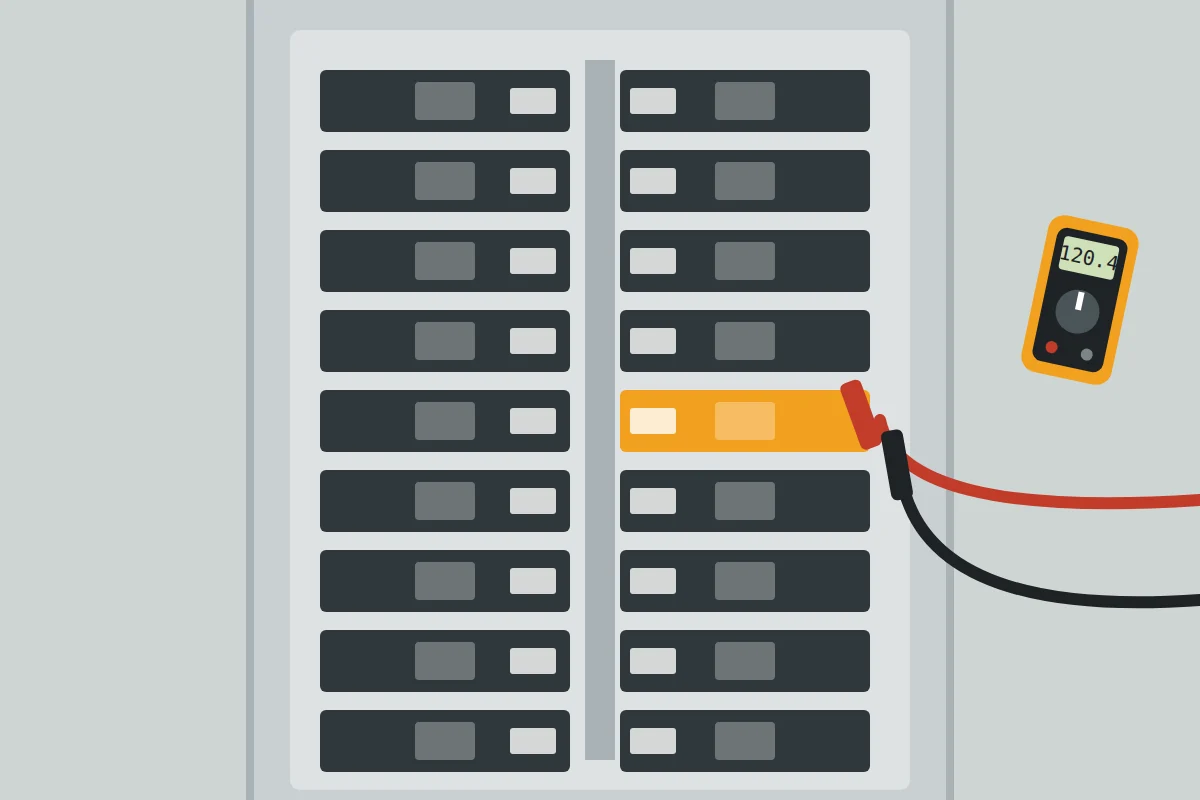
Illustration of a close-up of circuit breakers in a home panel with multimeter test leads
Illustration. People shown are not contractors listed on this site.

How it usually works

  1. Call to start

    Call to connect with an independent local electrician and mention any equipment lost to past storms.

  2. Panel and ground check

    The electrician looks at panel space, grounding and bonding to confirm the device will work as intended.

  3. Install the device

    The surge protective device is installed with short leads, and indicators are checked.

  4. Round out the layers

    The electrician points out where plug-in protection and line protection still help.

For homes around Chattanooga

Chattanooga gets frequent spring and summer thunderstorms, and homes on ridgelines and mountain lots like Lookout Mountain and Signal Mountain see a lot of lightning activity. Many homeowners pair surge protection with a backup power plan; generator installation is a common companion project.

Related problems

Problems that often lead to surge protection

  • Generator Runs but House Has No Power

    If the generator runs but nothing in the house comes on, the problem is usually between the generator and the panel: a switch, breaker or connection.

    Act promptly
  • Breaker Trips After Installing New Appliance

    A new appliance that keeps tripping a breaker usually points to an overloaded circuit, a wrong-size breaker or a wiring fault at the new connection.

    Get it checked soon

Related services

Often planned alongside surge protection

Generators, EV & Smart Home

Generator Installation

Safe generator connections, from a portable generator inlet and interlock to a standby unit with an automatic transfer switch.

Panels, Breakers & Service

Electrical Panel Repair & Replacement

When the breaker box itself is worn, damaged, full or an older problem model, an electrician can repair it or replace it with a new panel.

Inspections, Code & Real Estate

Electrical Safety Upgrades

Practical protections like GFCI and AFCI coverage, hardwired alarms and grounding fixes, prioritized for the house you actually live in.

Generators, EV & Smart Home

Home Theater & Media Wiring

A media room runs better with its own circuit, recessed boxes behind wall-mounted screens, cable pathways and protection from surges.

Service areas

Surge Protection around Chattanooga

Homeowners from Soddy-Daisy to Ringgold call about surge protection. Calls go to participating independent electricians; pick your community for local context.

See every service area →

FAQ

Surge Protection: common questions

Straight answers to the questions homeowners ask most about this topic.

Call Now

For many homes it is a sensible layer, especially with heat pumps, modern appliances and home office electronics. It cannot stop a direct strike, but it can reduce damage from more common surges traveling in on the lines.

Yes. The panel device handles larger surges from outside. Plug-in protectors near sensitive electronics catch smaller spikes and surges that come in on cable or network lines. The two work as layers.

Partly. Motors in HVAC, refrigerators and pumps create small internal surges. A panel device helps limit some of them, and point-of-use protection helps at the equipment. Neither eliminates them entirely.

These devices wear with each significant surge they absorb. Most have an indicator light that shows whether protection is still active. Checking it after big storms is a good habit, and an electrician can replace a spent unit.

Often, if there is space and the panel is in good condition. Some devices mount next to the panel. If the panel itself is outdated or damaged, the electrician may recommend addressing that first.

A surge device works by sending excess voltage to ground. If the grounding electrode or bonding is missing or poor, the device has nowhere effective to send it. Checking the ground is part of a proper installation.

Call now

Ready to talk about surge protection?

One call connects you with a local electrician who can look at your home and explain your options.

Your call connects you with an independent local electrician who serves your area.