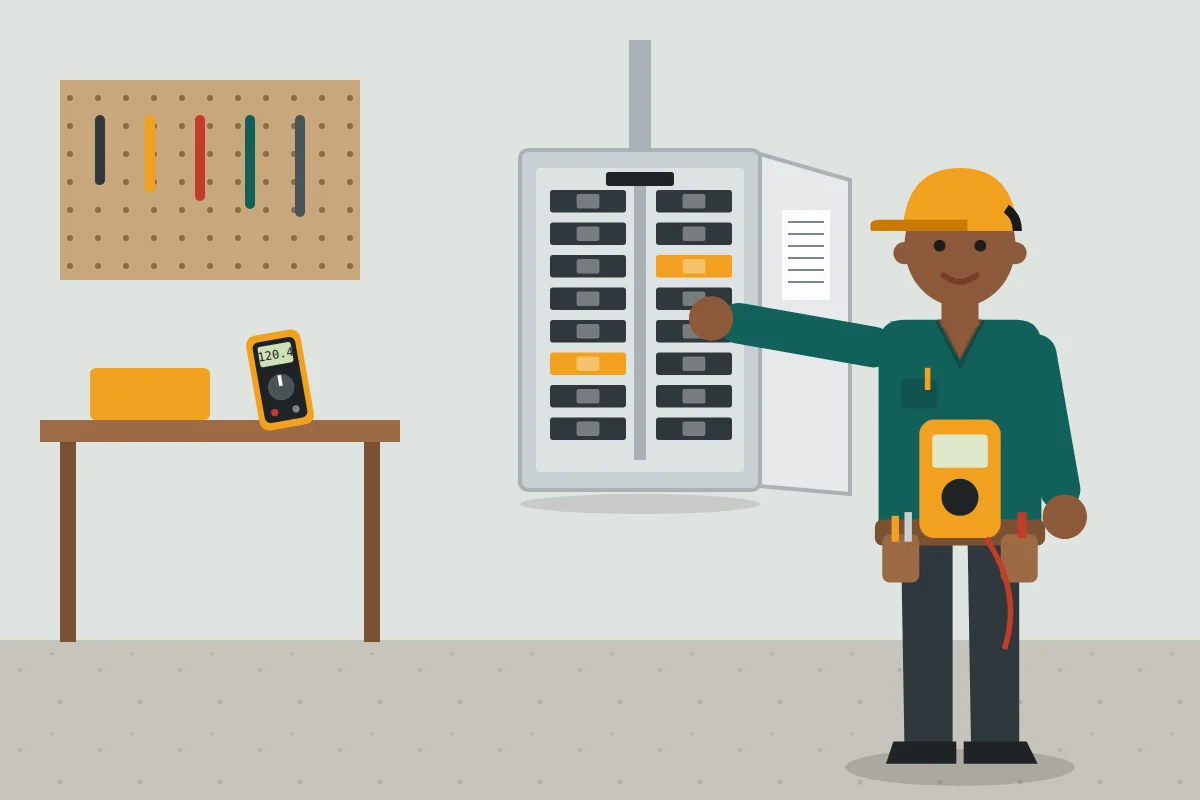

This is different from swapping a panel. A service upgrade raises the home's total electrical capacity, and it usually involves the panel, the meter base, the service conductors and the utility.
How Amperage, Load and the Service Fit Together
Amperage is the ceiling on how much current the house can draw at once. A load calculation adds up the lights, outlets, appliances, heating and cooling equipment using the method in the National Electrical Code, then compares the result to the service size. That number, not guesswork, decides whether an upgrade is needed and how large it should be.
Sometimes the calculation shows the existing service has room, and the answer is adding dedicated circuits or load management instead. When it does not, the electrician plans a larger service, often with a new panel and meter base sized to match.
Projects That Often Trigger a Service Upgrade
Adding central air or switching from gas heat to a heat pump.
Installing a Level 2 charger through EV charger installation.
Building an addition, finishing a basement or adding a detached workshop.
Moving from a gas range or dryer to electric.
Adding a hot tub, pool equipment or a large standby generator setup.
Hints the Current Service Is Undersized
- The main breaker or a main fuse trips during peak use.
- Lights dim noticeably when large appliances start.
- The panel is labeled 60 or 100 amps in a fully electric home.
- No breaker spaces are left and new circuits keep getting squeezed in.
- An electrician or inspector says a planned project needs more capacity.
Steps Behind a Service Size Increase
A service upgrade usually means a permit, a load calculation, new service conductors and often a new meter base and panel, correct grounding and bonding, an inspection, and close coordination with the power company to disconnect, approve and reconnect the service. The utility sets its own requirements and schedule for its side of the work.
- Load calculation for current and planned equipment
- Existing service conductors, mast or underground lateral
- Meter base rating and condition
- Panel capacity and breaker spaces
- Grounding electrode system and bonding
- Utility requirements for the new service size
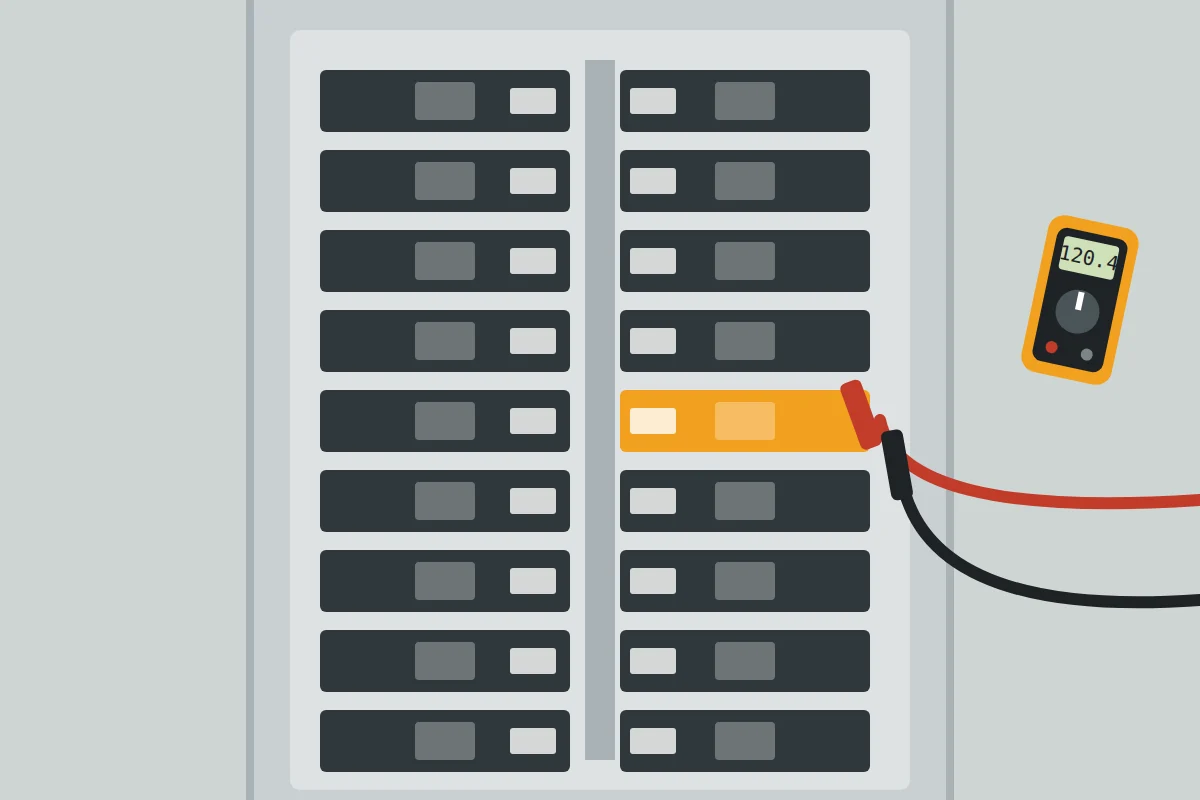
How it usually works
Call and share your plans
Call to connect with an independent local electrician and describe the current service and the equipment you plan to add.
Load calculation
The electrician calculates current and future load and recommends a service size, or explains why an upgrade is not needed.
Permit and utility coordination
The permit is pulled and the power company is contacted to schedule disconnection and reconnection.
Upgrade, inspect, reconnect
New equipment is installed, the local inspection is passed, and the utility restores power on the larger service.
For homes around Chattanooga
In the Chattanooga area, many homes built in the mid 1900s started with modest service and have since added central air, heat pumps and electric water heaters. Hot, humid summers keep those loads running for long stretches. Older houses in the city core may also need meter base and service entrance work as part of the upgrade.