
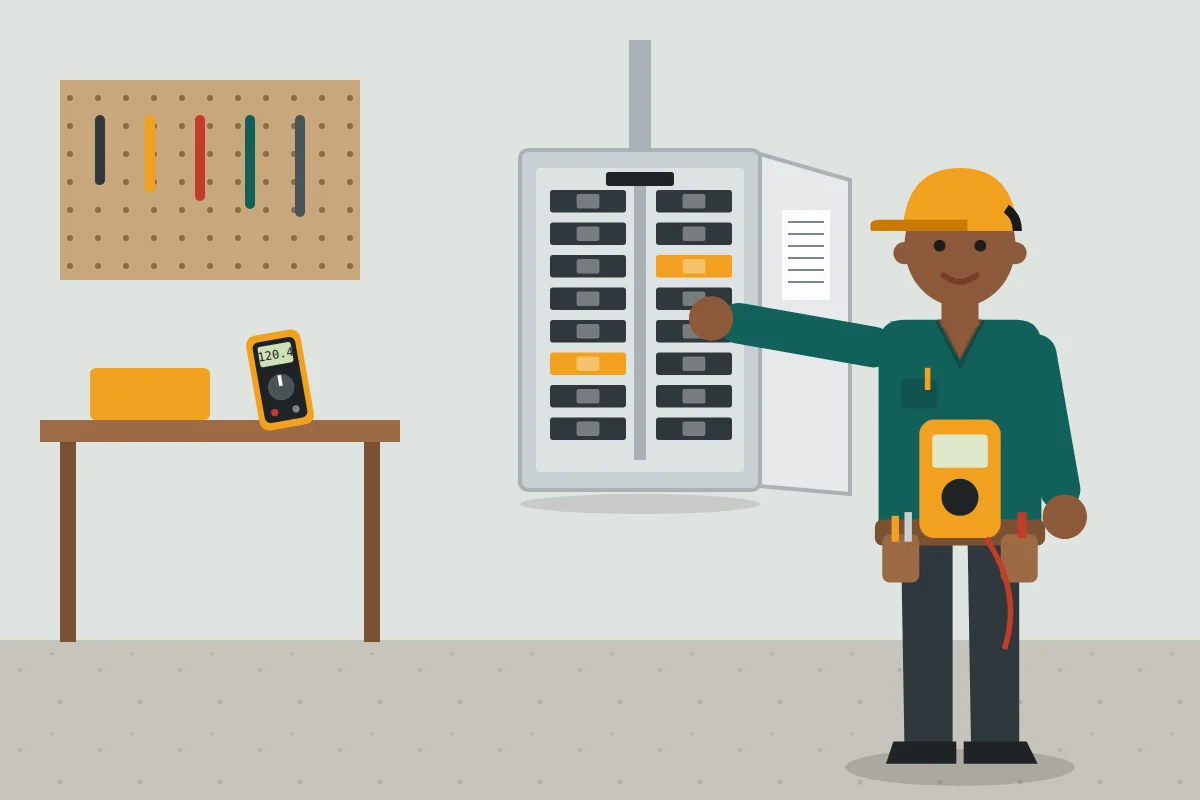
Quick answer: A home should have an electrical inspection when it changes hands, before and after major renovations, after storm or water damage, when it reaches roughly 40 years old without a documented update, and whenever problems like frequent tripping or warm outlets keep returning. An inspection is also smart before adding a large load such as an EV charger, hot tub or heat pump. Outside those moments, many homeowners schedule one every several years for peace of mind.
Most people never think about an electrical inspection until a home inspector flags something during a sale or a breaker starts acting up. That is understandable. Wiring sits behind walls, and when lights come on, it is easy to assume everything is fine.
Knowing when to get an electrical inspection helps you catch problems while they are still small and plan upgrades on your own schedule. This guide lays out the common triggers, explains what a residential inspection usually covers and offers a simple way to decide whether now is the time.
The main triggers, at a glance
These are the situations that most often justify a professional look. If one applies to you, an inspection is usually worth scheduling.
- Buying a home, especially one built before the 1970s or with an unknown electrical history.
- Planning a remodel, addition or finished basement that adds circuits or moves walls.
- Adding a large electrical load such as an EV charger, hot tub, heat pump, electric range or generator.
- After a storm, flood, roof leak or fire, even if the power seems normal.
- Recurring symptoms: breakers that trip often, lights that flicker or dim, warm outlets or switches, buzzing sounds.
- A home that is several decades old and has no record of panel or wiring updates.
Inspection versus permit inspection
Two different things go by the same name. A permit inspection is performed by a local building official after permitted work is done, to confirm that the new work meets code. An electrical safety inspection (sometimes called an evaluation or assessment) is hired by the homeowner and looks at the condition of the existing system.
Both matter. If an electrician pulls a permit for new work, the local jurisdiction will typically inspect it. Permit rules differ between Chattanooga, surrounding Hamilton County communities and nearby Georgia towns, so the electrician handling the work is usually the one who knows what applies.
A simple decision path
If you are not sure an inspection is needed right now, walk through these questions in order.
Is anything hot, smoking or sparking?
Stop here. Leave the area, and call 911 if there is smoke or flame. This is an emergency, not an inspection question.
Is a symptom happening repeatedly?
A breaker that trips again and again or an outlet that keeps going dead calls for troubleshooting and an inspection of that circuit.
Is a big change coming?
Buying, renovating or adding major appliances is the right time to confirm that the panel and service can handle the load.
Has it been a long time?
If the home is decades old and you have never had the system checked, a general inspection gives you a baseline.
What a residential inspection usually covers
Scope varies by electrician and by what you ask for, but a general home inspection often includes:
- The service entrance and meter base, looking for damage, corrosion or weather exposure.
- The panel: age, condition, breaker sizing, signs of overheating and available space.
- Grounding and bonding of the system.
- A sampling of outlets and switches for polarity, grounding and loose connections.
- GFCI and AFCI protection in the places current code typically calls for it.
- Visible wiring in attics, basements and crawlspaces, including any knob-and-tube or ungrounded circuits.
- Smoke and carbon monoxide alarms.
If you want a deeper look at one area, such as the panel or a specific circuit, say so up front. A focused home electrical inspection can be shaped around your concern.
Local situations worth an extra look
Around Chattanooga, a few circumstances come up often. Homes in older neighborhoods like Highland Park and Brainerd may have decades of add-on wiring from different eras. Storm damage from falling limbs is common on wooded lots, and service drops and meter bases can be pulled loose. Lake homes near Soddy-Daisy often have docks and outdoor circuits exposed to moisture.
After a storm, if your power returns but lights behave oddly or part of the house is dead, that is a good reason to call. The guide on a home electrical safety checklist offers a way to note symptoms before the visit.
Preparing for the visit
A little preparation helps the electrician focus on what matters. Clear access to the panel, attic hatch and crawlspace entrance. Write down any symptoms, when they happen and which rooms are involved. If you have past inspection reports, permits or a seller disclosure, have them handy.
Afterward, ask for findings in writing and ask the electrician to separate safety concerns from recommended improvements. That makes it easier to prioritize. If the report points to an aging panel or wiring, updates for older homes can often be phased over time.