What you may be noticing
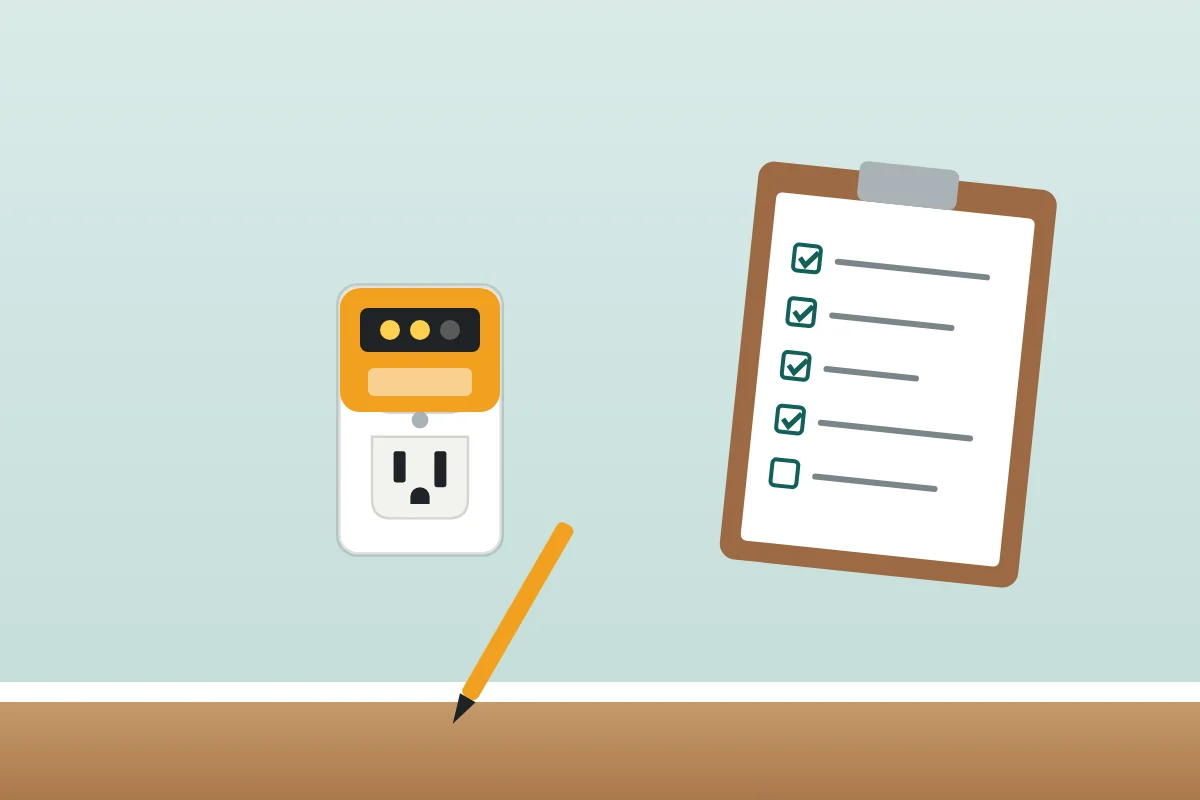
- An outlet tester shows open ground.
- Three-prong outlets exist but the house has older two-wire cable.
- Surge protectors show a warning light or no ground indicator.
- You feel a slight tingle touching metal appliances.
Common possible causes
Older wiring methods
Two-wire cable and knob and tube were common before grounding conductors were standard.
Three-prong outlets on two-wire cable
Earlier updates sometimes installed modern outlets without adding a ground.
Broken or loose ground connection
Even grounded circuits can lose their ground at a loose splice or damaged connection.
Bootleg grounds
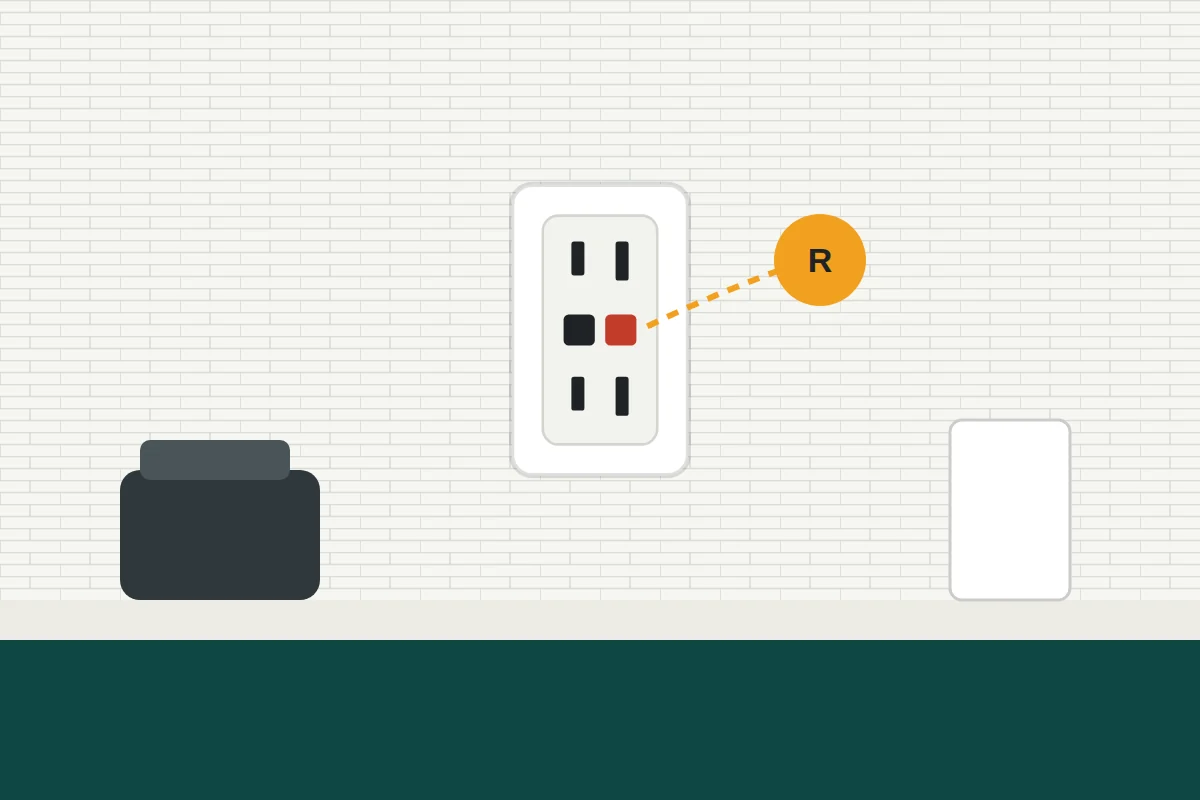
Some outlets have the ground terminal jumpered to neutral, which fools simple testers but creates a hazard.
Grounding system issues
Problems with the home's main grounding electrode or bonding can affect the whole house.
Safe checks you can make
- Use a plug-in outlet tester on three-prong outlets throughout the home.
- Note any outlet that tests open ground or any surge strip showing a fault.
- Pay attention to tingles from metal appliances or fixtures, and stop using them if you notice one.
- Check your home's age and whether any rewiring has been documented.
What not to do
- Don't connect the ground terminal to neutral or to a random metal pipe.
- Don't cut ground pins off plugs.
- Don't trust a surge strip on an ungrounded outlet to protect electronics.
- Don't open outlet boxes to check wiring yourself.
Can you sort this out yourself?
Testing outlets with a plug-in tester and moving sensitive electronics to known grounded outlets are reasonable homeowner steps. Adding a ground, correcting a bootleg ground or installing GFCI protection with labels is work for an electrician, because a mistake can make a circuit look safe when it isn't.
When professional help is appropriate
- Multiple outlets test open ground.
- You feel any tingle or shock from an appliance.
- You suspect someone installed three-prong outlets on two-wire cable.
- You need grounded circuits for a home office, medical device or new appliances.
- You're planning a remodel or home sale.
What an electrician typically checks
An electrician will test for a real ground, check for bootleg grounds that simple testers miss, and verify the home's grounding and bonding system. They'll then recommend circuit-by-circuit solutions.
Options include running grounding conductors, installing GFCI protection with proper labels, or rewiring older circuits. Pair it with whole-home surge protection once grounding is solid.
Keeping it from coming back
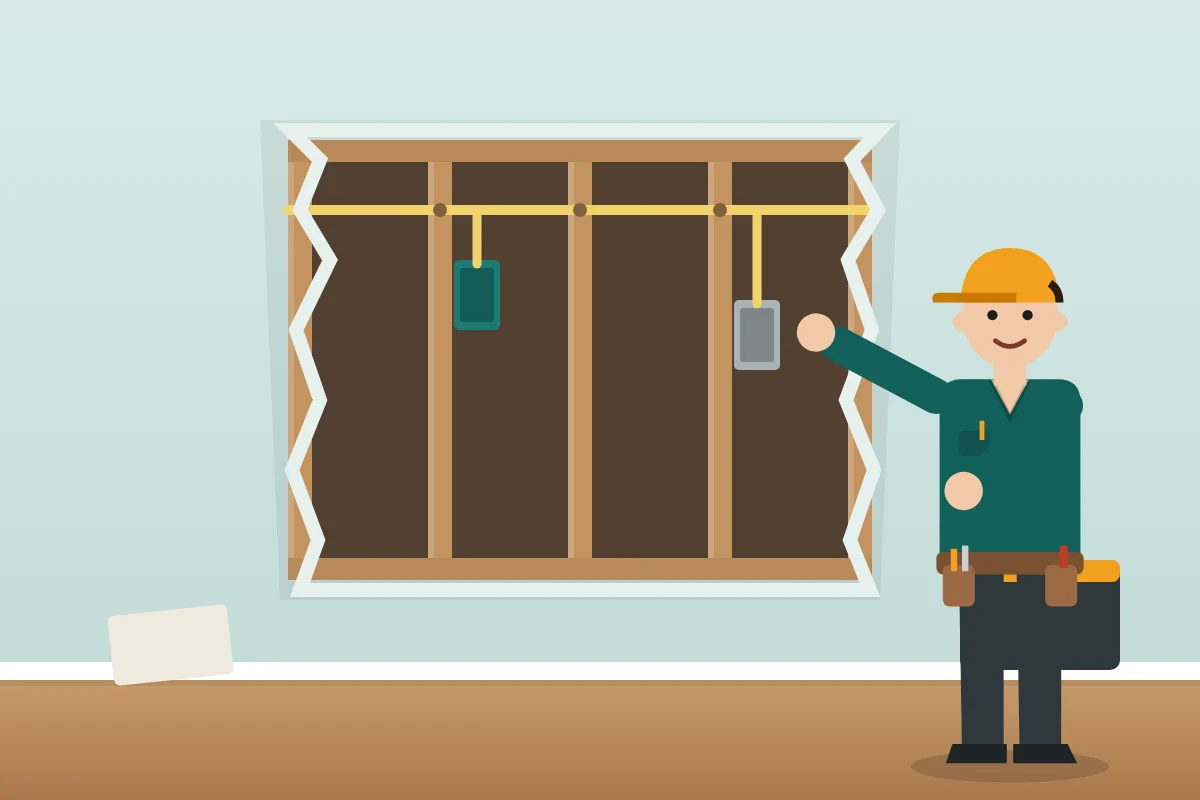
When remodeling, ask about grounding while walls are open. It's an efficient time to add ground wires or replace old cable. If you're adding a home office, a new kitchen appliance or a medical device, plan those outlets on grounded circuits from the start. In older Chattanooga homes that have been updated piecemeal, a one-time check of every outlet with a tester, followed by a professional look at anything suspicious, gives you a clear map of which rooms are grounded and which aren't.