
Inspections
When Should a Home Have an Electrical Inspection?
The specific moments when a professional electrical inspection makes sense for a homeowner, and what to expect from one.
Homeowner guides
Eighteen practical guides on planning, safety, older homes, remodels and the electrical side of buying or selling a house.
Start here
A practical, room-by-room walkthrough of the electrical warning signs a homeowner can safely look for without opening anything up.
The specific moments when a professional electrical inspection makes sense for a homeowner, and what to expect from one.

How to read the electrical clues an older house gives you, and which ones point to safety updates rather than simple wear.
The practical signs that a home's electrical panel may be past its useful life, and what usually happens next.

Almost every addition needs at least one new circuit. Here is how to tell what yours may need and what to settle before framing starts.
The electrical plan for a remodel goes more smoothly when it is settled before demolition. A practical look at timing, decisions and common surprises.

There is no single magic number. The spacing idea behind outlet placement, explained simply, plus how to plan for the way you actually live.

Large and motor-driven appliances usually need a circuit of their own. How to recognize which ones and what happens when they share.
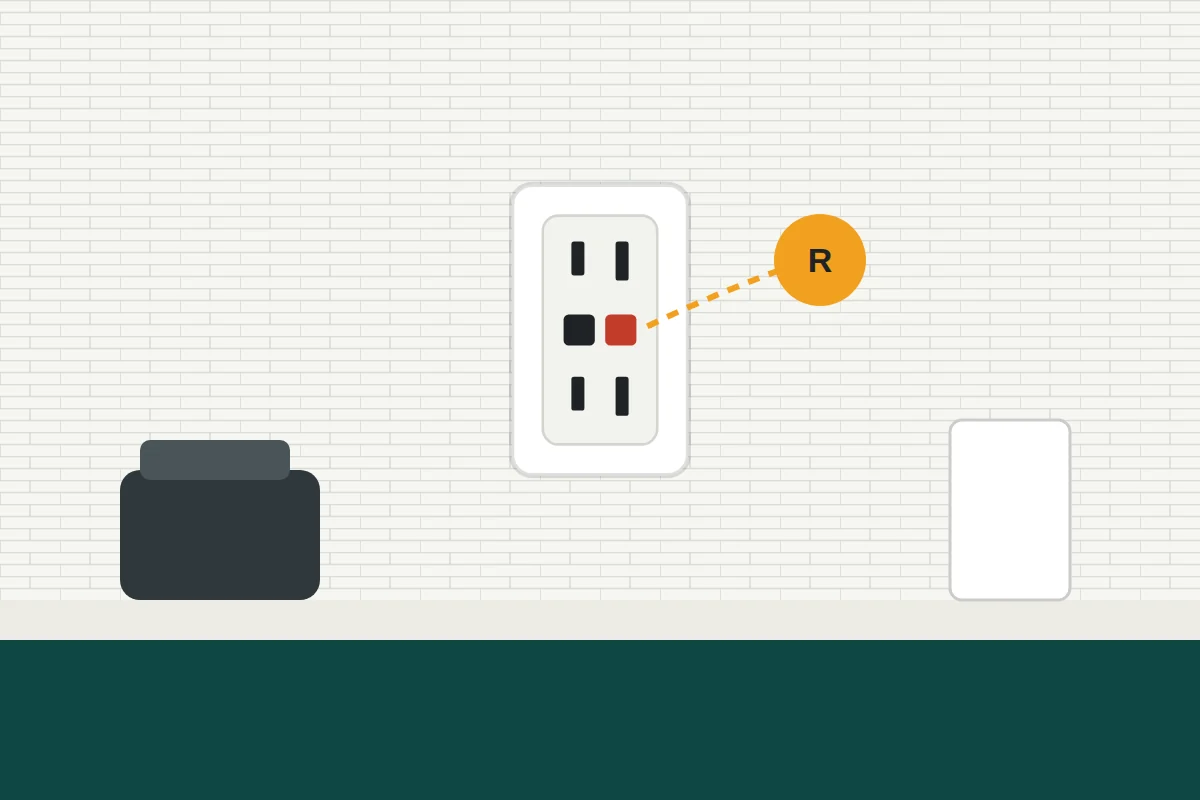
GFCI and AFCI devices look similar but guard against different hazards. Here is what each one does and where it usually belongs in a home.

A whole-home surge protector sits at the panel and limits voltage spikes before they reach your circuits. Here is how it works and where it fits.

Portable or standby, a generator needs a safe connection to your home. Learn the options, the role of a transfer switch and the safety rules that matter most.
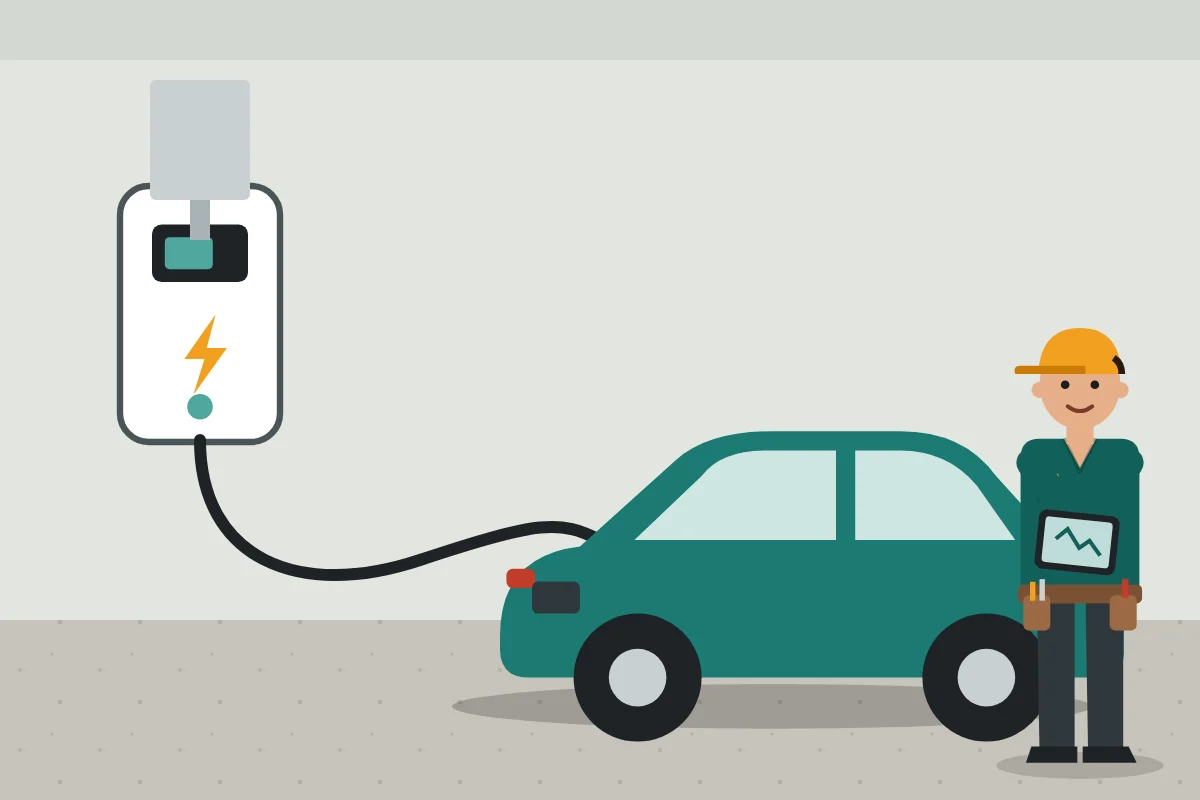
Before adding a Level 2 charger, it helps to know what your panel, wiring and garage need. A plain guide to home EV charging requirements.

A workshop puts heavier and more varied demands on a garage than parking a car. Plan circuits, outlets and lighting around the tools you actually use.
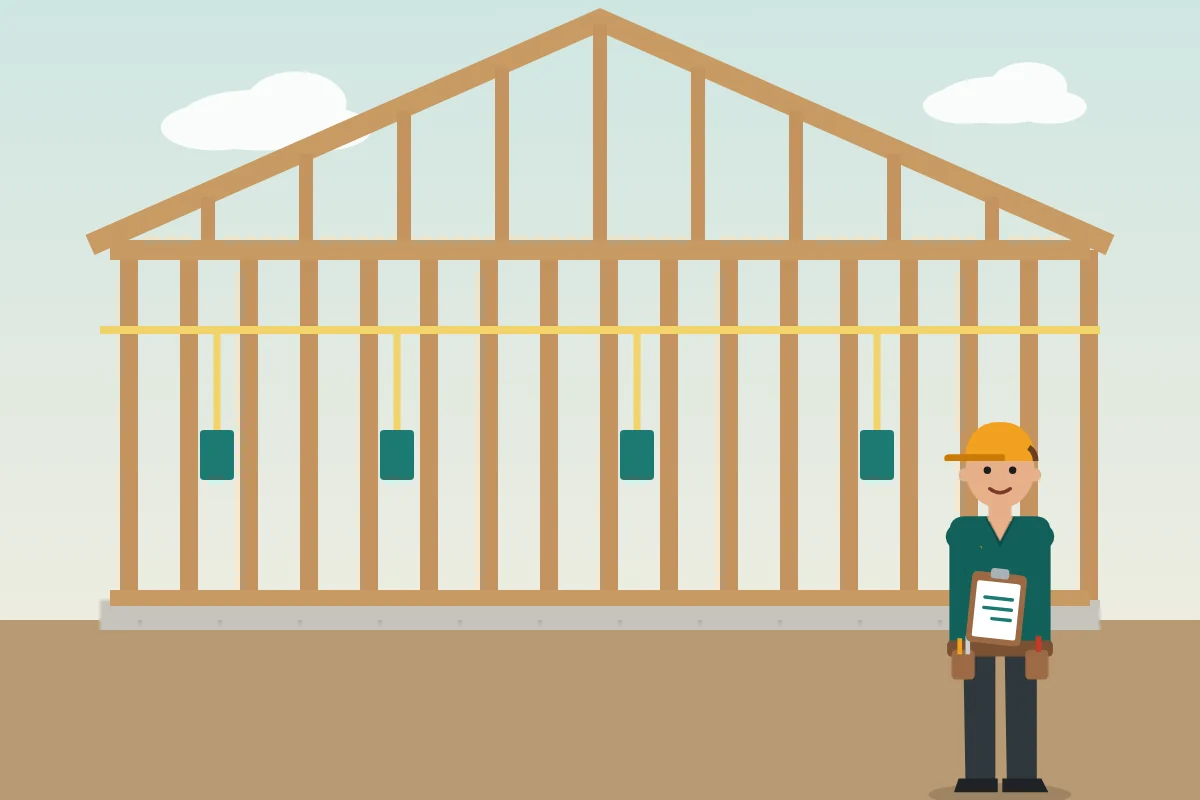
Building gives you a rare chance to plan the electrical system from scratch. The decisions worth making early, before the walls are framed.
What to look for at showings, what to ask the seller and how to follow up on inspection findings before you close on an older home.
Electrical items show up on many buyer inspection reports. Here is what to check before you list, and which issues to leave to an electrician.
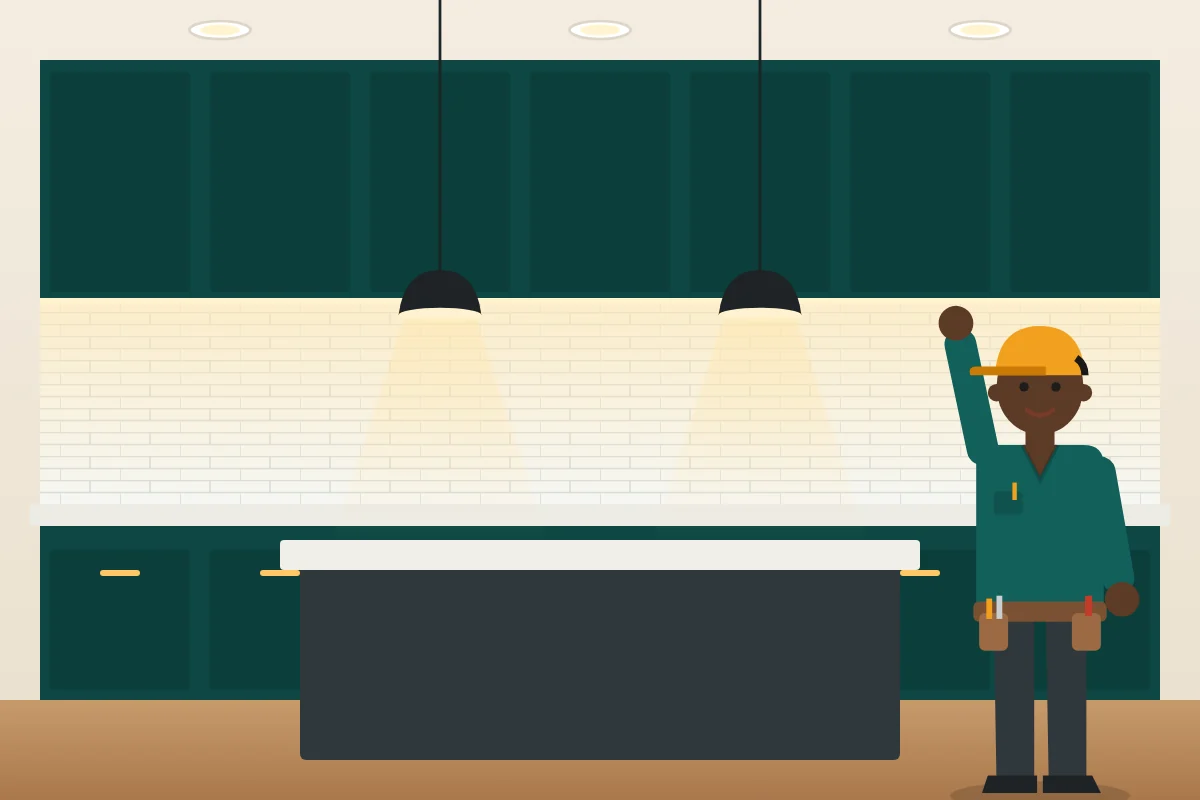
Good remodel lighting starts with layers and switching, not fixtures. A room-by-room approach to planning light before walls close.
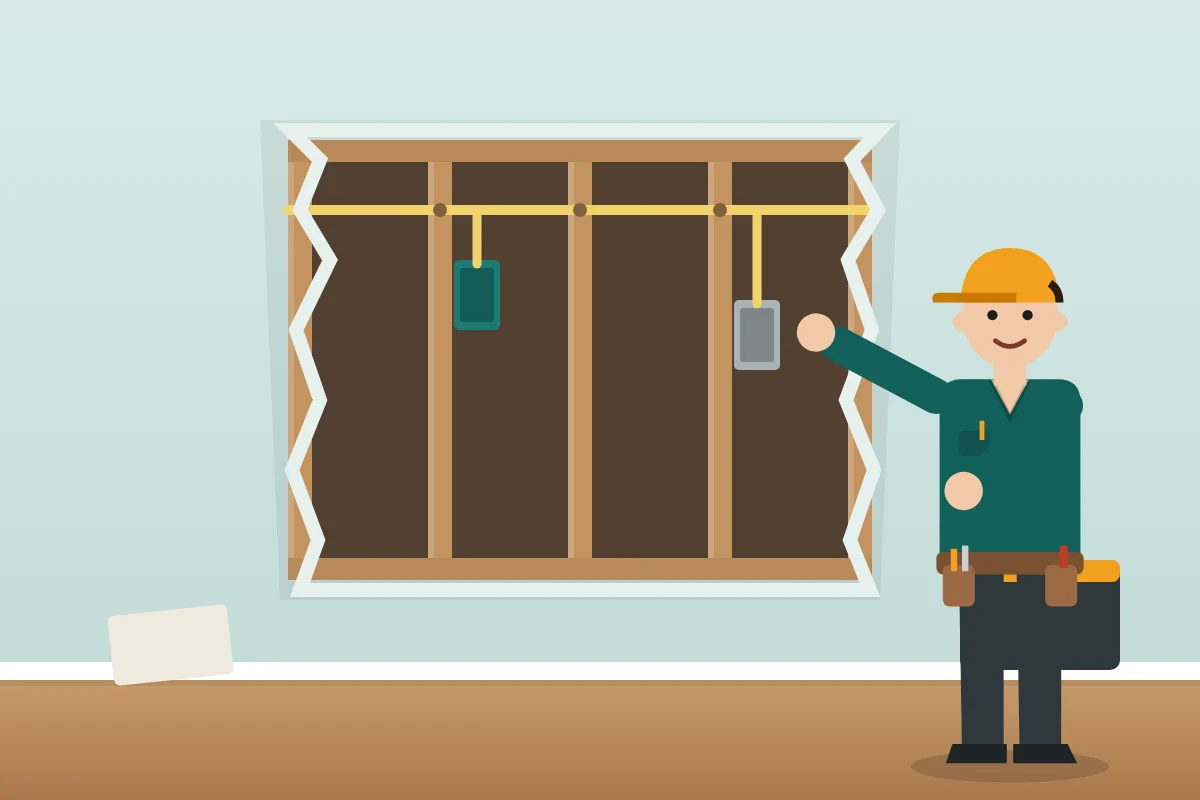
How homeowners and electricians decide between targeted repairs, partial rewiring and a whole-home rewire in an older house.
FAQ
Straight answers to the questions homeowners ask most about this topic.
Call NowThey are practical articles that help homeowners plan projects, judge older wiring, prepare for a home sale or purchase and stay safe. They explain the issues; an electrician who sees your home gives the specific answer.
No. Prices depend on the house, equipment and scope, so the guides explain what drives cost instead. A written quote after an on-site look is the reliable number.
The guides are meant to help you understand the job and ask better questions. Most wiring work involves permits, inspections and real shock and fire risk, so hiring a licensed electrician is the safer path.
Go to the electrical problems section. Each problem guide gives a direct answer, safe checks and clear signs it is time to call.
The electrical principles are the same everywhere, but the guides point out local factors where they matter, such as older housing stock, hillside lots, storm season and long, humid summers.
They are reviewed when safety guidance, common equipment or code practices change. The publish date appears at the top of each guide.

Call now
Call to connect with a local electrician who can look at your situation.
Your call connects you with an independent local electrician who serves your area.