
Quick answer: Common older home electrical warning signs include two-prong outlets, very few outlets per room, fuses or an original panel, lights that dim when appliances start, breakers or fuses that blow often, warm switches or outlets, and visible cloth-covered or knob-and-tube wiring. None of these alone means the house is unsafe, but each is a reason to have an electrician evaluate the system. Heat, burning smells and sparking are the urgent ones.
Older homes have character that newer builds rarely match: solid trim, plaster walls, tall windows. They also have electrical systems designed for a household with a radio, a refrigerator and a few lamps. Today the same house may be powering central air, a home office, a stack of chargers and a kitchen full of countertop appliances.
In Chattanooga, many homes in neighborhoods like North Shore, St. Elmo, Highland Park and Brainerd date from the early and mid 1900s. Some have been carefully updated. Others carry a mix of original wiring and later additions. Learning to spot older home electrical warning signs helps you decide what needs attention and in what order.
Signs you can see
- Two-prong outlets throughout the house, or three-prong outlets that were installed without a ground wire behind them.
- Very few outlets, leading to extension cords and power strips in most rooms.
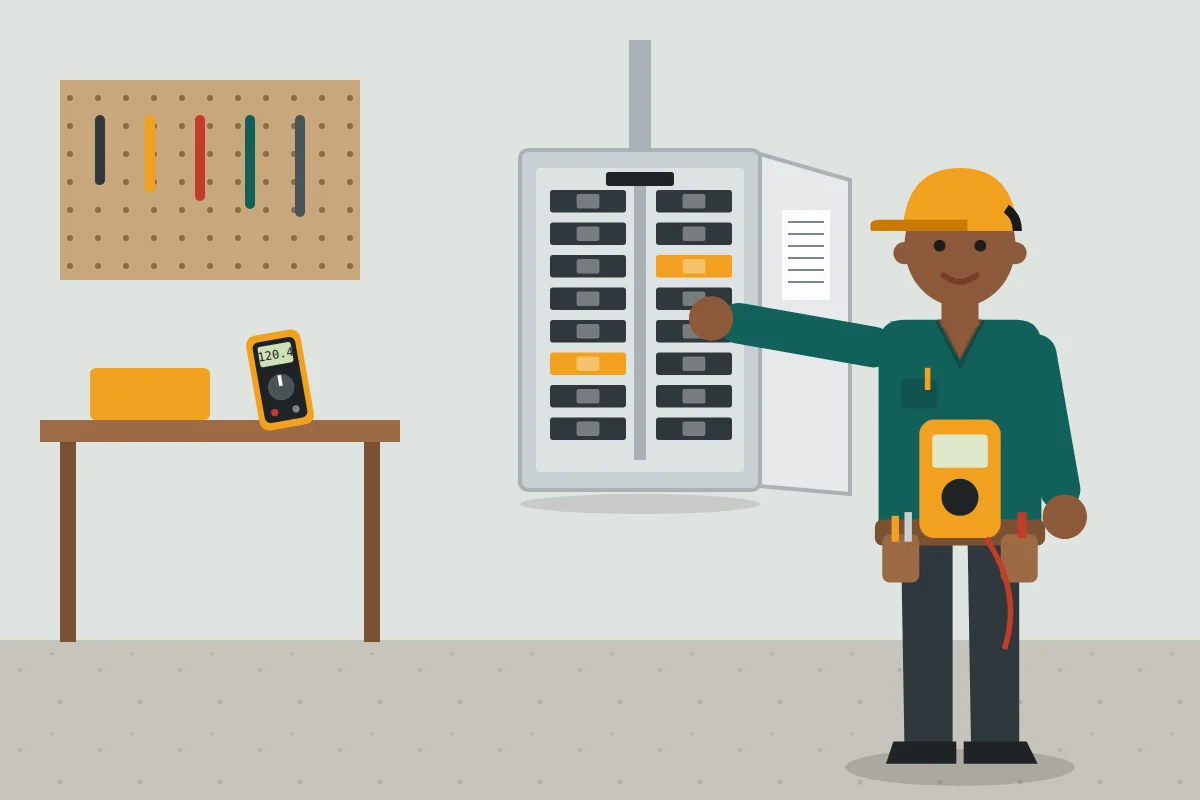
- A fuse box, or a breaker panel that looks original and has little or no open space.
- Cloth-covered wiring or ceramic knobs and tubes visible in the attic or basement.
- Scorched, discolored or cracked outlet and switch covers.
- No GFCI outlets near kitchen, bathroom, laundry or outdoor water sources.
Two-prong outlets are among the most common items. The two-prong outlet guide explains why simply swapping in a three-prong outlet is not a fix by itself.
Signs you can hear, feel or smell
Some warnings are not visible at all. Pay attention to these:
- Buzzing or crackling from an outlet, switch or the panel.
- Switch plates or outlets that feel warm during normal use.
- A faint smell of hot plastic or something burning with no obvious source.
- A mild tingle when touching an appliance or fixture.
Signs that show up in how the house behaves
An older system often reveals its limits through everyday patterns. Lights that dim or flicker when the AC, microwave or hair dryer starts suggest a circuit that is shared too widely or a connection that is loosening. Breakers or fuses that trip whenever two appliances run together point to undersized or overloaded circuits. Outlets that work intermittently can mean worn contacts or loose wiring.
Hot, humid Chattanooga summers make these patterns more obvious, because air conditioning and dehumidifiers add steady load that older systems were never sized for.
Ranking what you find
Not every sign carries the same weight. A rough way to prioritize:
Address now
Heat, burning smells, sparking, tingling, scorched covers and any fuse or breaker that trips repeatedly.
Plan soon
Knob-and-tube or cloth wiring still in use, an original or crowded panel, no GFCI protection in wet areas, and ungrounded outlets where you plug in electronics or appliances.
Plan over time
Too few outlets, outdated lighting, and capacity limits that make future projects difficult.
This order is a starting point. An electrician who sees the system in person may move items up or down based on what is behind the walls.
What an update can look like
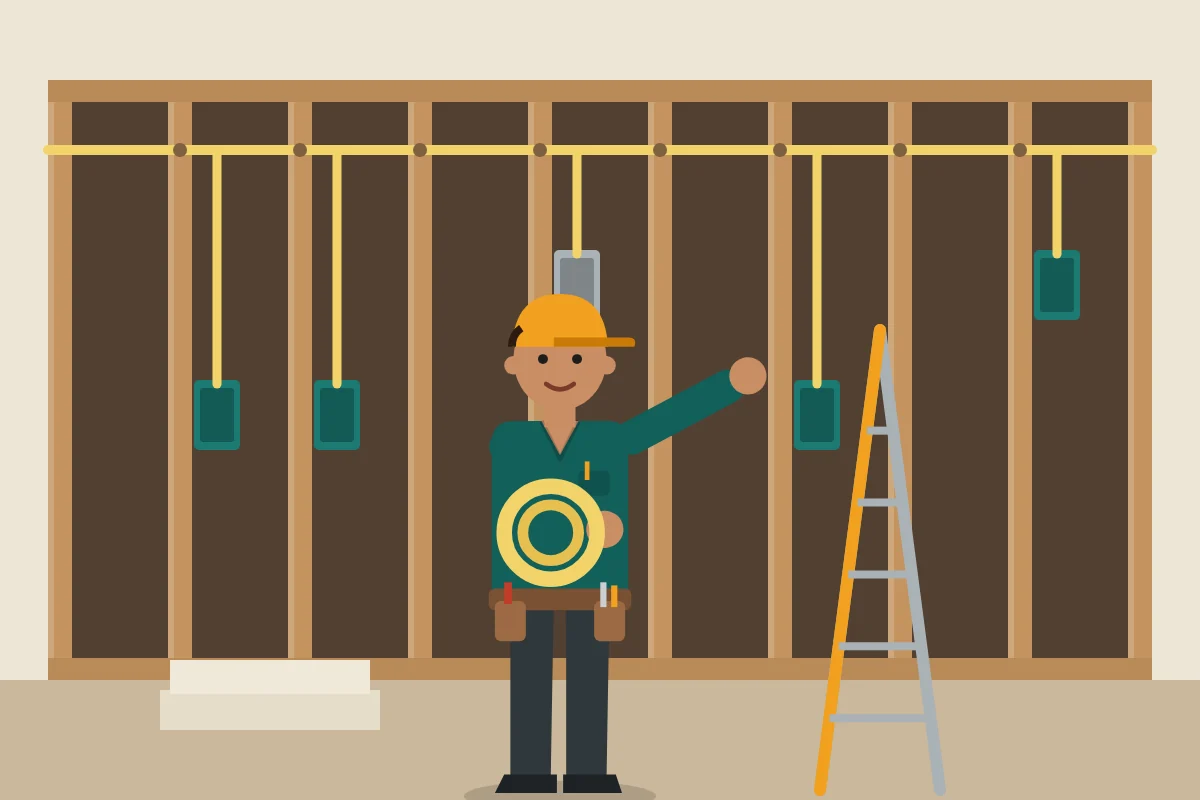
Updating an older home does not always mean tearing out every wire. Common steps include replacing or upgrading the panel, adding GFCI and AFCI protection, grounding key circuits, adding dedicated circuits for the kitchen and laundry, and replacing the most worn sections of wiring. In some homes, a full rewire is the more practical path; the guide on when rewiring an older house makes sense covers that decision.
Many homeowners phase the work, starting with safety items and adding capacity as budgets and remodel plans allow. A visit focused on older home electrical updates can produce a plan in sensible stages.
A note on insurance and selling
Some insurance companies ask about the type of wiring or panel in older homes, and buyers' inspectors commonly flag knob-and-tube wiring, fuse boxes and certain panel brands. Knowing what you have, and having a record of what has been updated, can make those conversations easier. Keep invoices, permits and any inspection findings together in one folder.