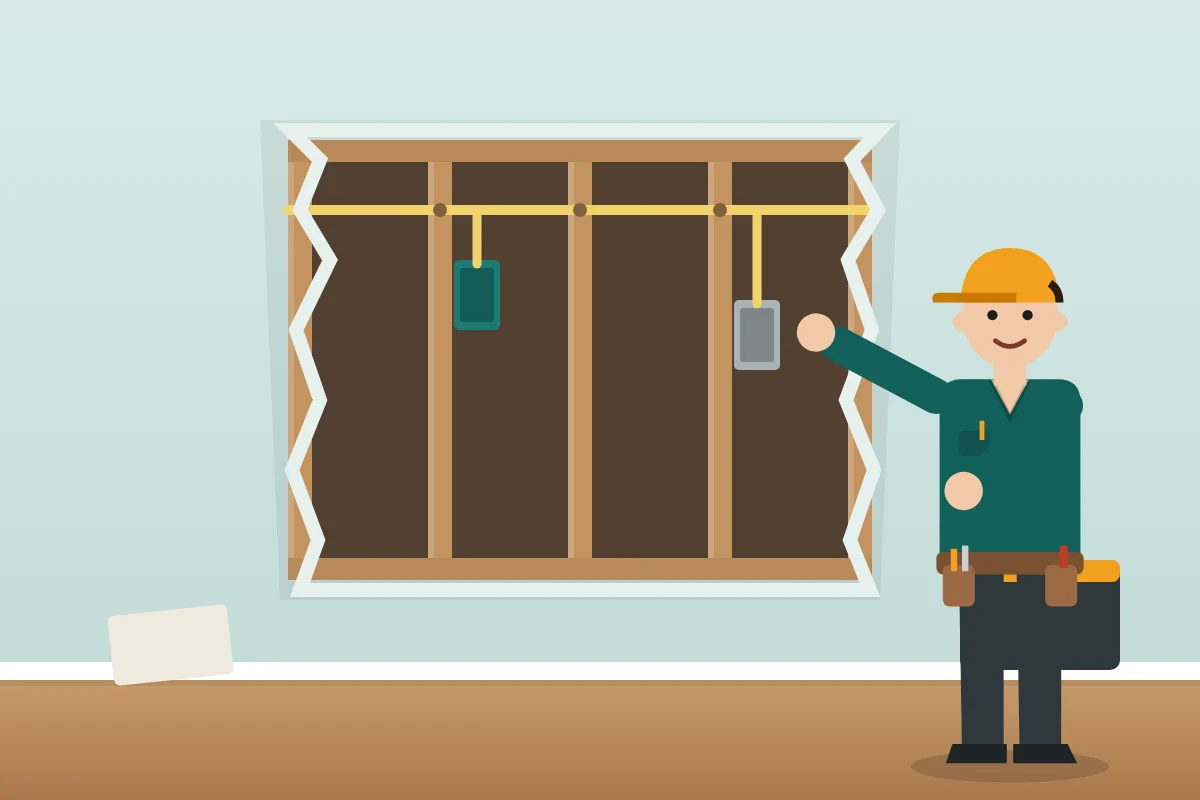

A call connects Chattanooga homeowners with an independent local electrician. Emergency and after-hours help depends on which providers are participating and available at the time, so call as soon as the situation is safe. For problems that are annoying but not dangerous, standard home electrical repair is usually the better fit.
What Counts as an Electrical Emergency
Not every outage is an emergency. A neighborhood-wide outage belongs to the utility. An electrical emergency is a problem inside or attached to your home that creates a fire or shock risk: overheating equipment, exposed live conductors, water reaching electrical gear or a damaged service entrance.
Urgent electrical repair usually focuses on making the home safe first, such as isolating a damaged circuit or securing a service connection, and then planning the permanent fix. Some damage, like a pulled-down meter base, may need service entrance repair, the utility and a permit before power is restored.
Situations That Need Urgent Attention
A storm limb tore the service drop off the house or bent the mast.
Water from a leak or flood reached the panel, outlets or a basement circuit.
An outlet or switch sparked, smoked or melted.
The panel is hot, buzzing or smells like burning plastic.
Lights across the house suddenly get very bright or very dim.
Warning Signs Not to Ignore
- A burning or fishy smell with no obvious source.
- Visible arcing, sparks or smoke from any electrical device.
- A breaker that trips immediately every time it is reset.
- A tingle or shock from a faucet, appliance or switch.
- Wires hanging near the ground, a fence or a tree after a storm.
What an Emergency Visit May Involve
The electrician will usually secure the hazard first, then assess what was damaged. That can mean shutting off and isolating circuits, checking the panel and service equipment, and identifying parts that must be replaced before power is safely restored. The full repair may happen on a later visit.
- Damaged circuits isolated and made safe
- Panel and main breaker checked for heat damage
- Service entrance and meter base inspected after storm damage
- Water-exposed devices identified for replacement
- Grounding and bonding verified where a shock was felt
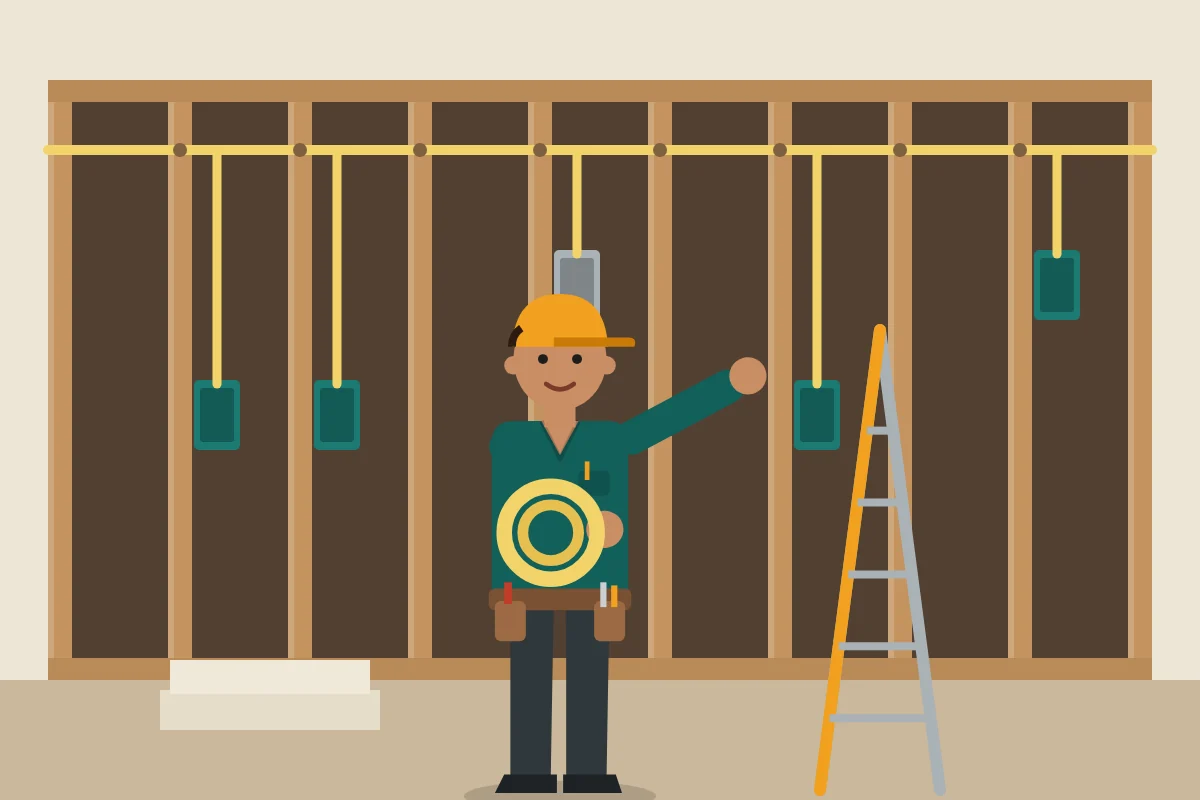
How it usually works
Get safe, then call
Leave the home and call 911 if there is fire risk, then call to reach an electrician.
Get connected
The call connects you with an independent electrician, depending on who is participating and available.
Secure the hazard
The electrician makes the immediate danger safe and assesses the damage.
Plan the repair
You get an explanation of what needs to be replaced and any steps involving the utility or a permit.
For homes around Chattanooga
Spring and fall bring severe storms to the Chattanooga area, and the region has a history of tornadoes, including the April 27, 2011 outbreak that struck Apison and Ringgold. Hillside lots and mature trees mean falling limbs commonly damage service drops and masts. After a storm, look at where the line meets your house from a safe distance before assuming the problem is only a utility outage.