What you may be noticing
- The cover plate feels noticeably warmer than the wall beside it
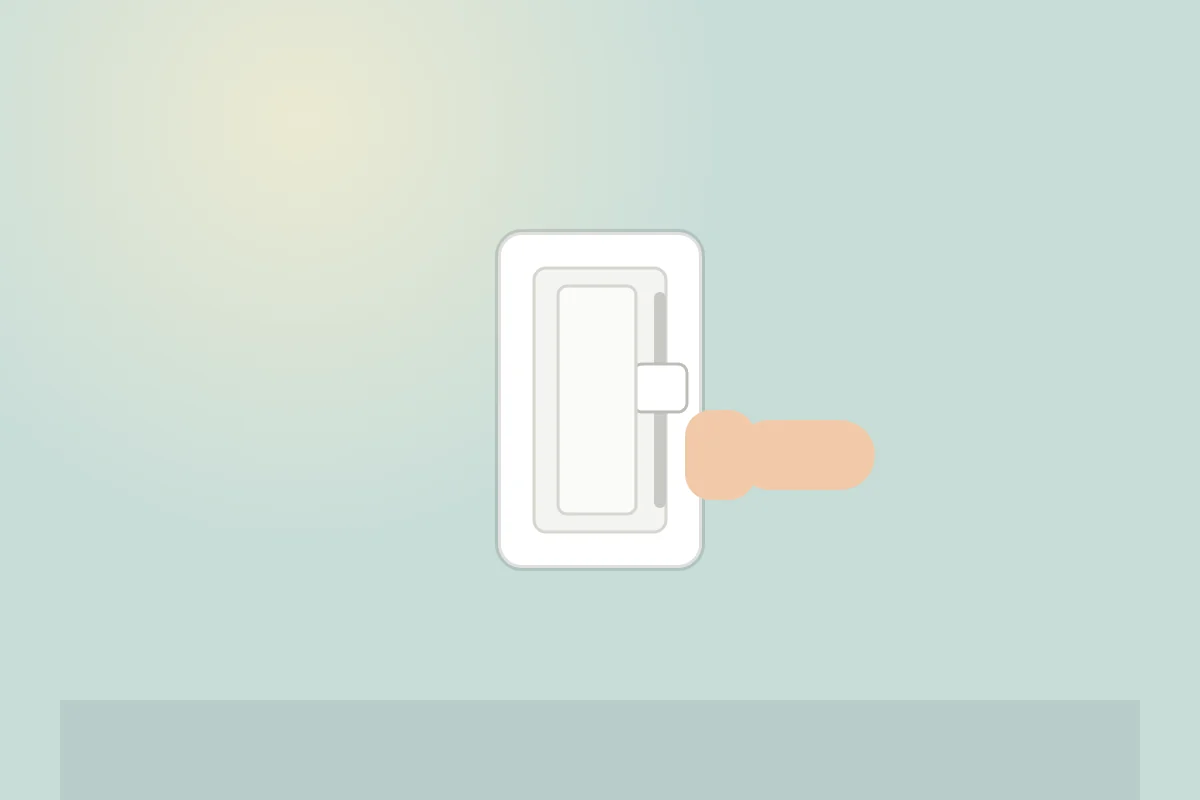
- The toggle itself feels warm when you flip it
- Lights on that switch flicker or dim now and then
- A faint buzzing or crackling sound comes from the switch
- The plate looks slightly discolored or yellowed around the toggle
Common possible causes
Loose terminal screw or wire
A connection that has backed off over years of use creates resistance, and resistance turns into heat right at the switch.
Backstab connections
Many older and builder-grade switches use push-in holes instead of screw terminals. These can loosen over time and are a common source of warmth.
Worn-out switch
The internal contacts in a switch wear with use. A tired switch can arc slightly inside each time it is flipped.
Too much load on the switch
A switch rated for ordinary lighting can run warm if it controls several fixtures, a heater or a large fan on the same run.
Aluminum branch wiring
Some homes built in the mid-1960s and 1970s have aluminum branch circuits, which need compatible devices and careful connections to avoid heat.
Safe checks you can make
- Note whether the switch is a dimmer or a standard toggle
- Turn the lights off for an hour and feel the plate again to see if it cools
- Count the bulbs or fixtures on that switch and check their wattage
- Listen for buzzing with the lights on and the room quiet
What not to do
- Do not remove the cover plate to look at or tighten the wires
- Do not keep using a switch that smells hot or looks scorched
- Do not tape over the switch and forget about it
- Do not add more fixtures to the same switch until the heat is explained
Can you sort this out yourself?
There is a real chance this is nothing more than a dimmer doing what dimmers do, and if the warmth is mild and steady, you may only need to keep an eye on it. Swapping high-wattage bulbs for LEDs on a crowded switch can also cut the heat. Beyond that, the honest answer is that the fix happens inside the box: tightening terminals, moving wires off backstab holes or replacing the switch. That work means handling conductors, so it is a job for a qualified person rather than a weekend experiment.
When professional help is appropriate
- A standard toggle switch feels warm to the touch
- The plate or nearby paint is discolored
- You smell something hot or like burning plastic near the switch
- Lights on the switch flicker along with the warmth
- Your home may have aluminum branch wiring
What an electrician typically checks
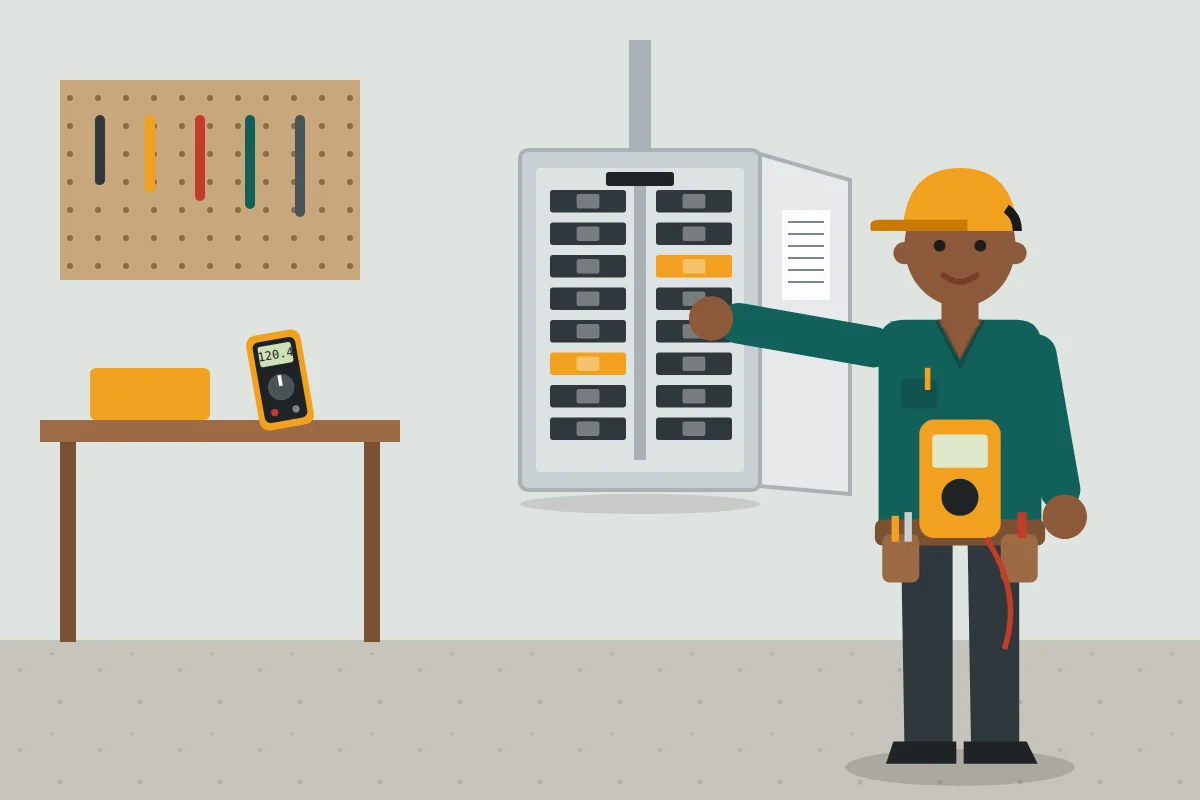
An electrician will usually start by checking the temperature of the switch under load and confirming the type of switch, the wire size and how many fixtures are on it. With power off, they inspect the terminals, look for heat damage on the insulation and check whether the wires are pushed into backstab holes.
Most repairs are straightforward: re-terminating the wires on screw terminals, replacing a worn switch, or splitting a heavy lighting load. In homes with aluminum wiring, the fix may involve approved connectors or devices rated for that wire. A broader electrical repair visit can also catch other switches with the same issue, and a hot dimmer is handled a little differently.
Keeping it from coming back
Replace switches that feel loose, crackle or stick rather than waiting for them to fail. When you change fixtures, keep the total load reasonable for the switch, and favor LED bulbs, which draw far less power. In older Chattanooga homes, it is worth having a few switches and outlets checked during any other electrical work, along with the other warning signs older homes tend to show.