What you may be noticing
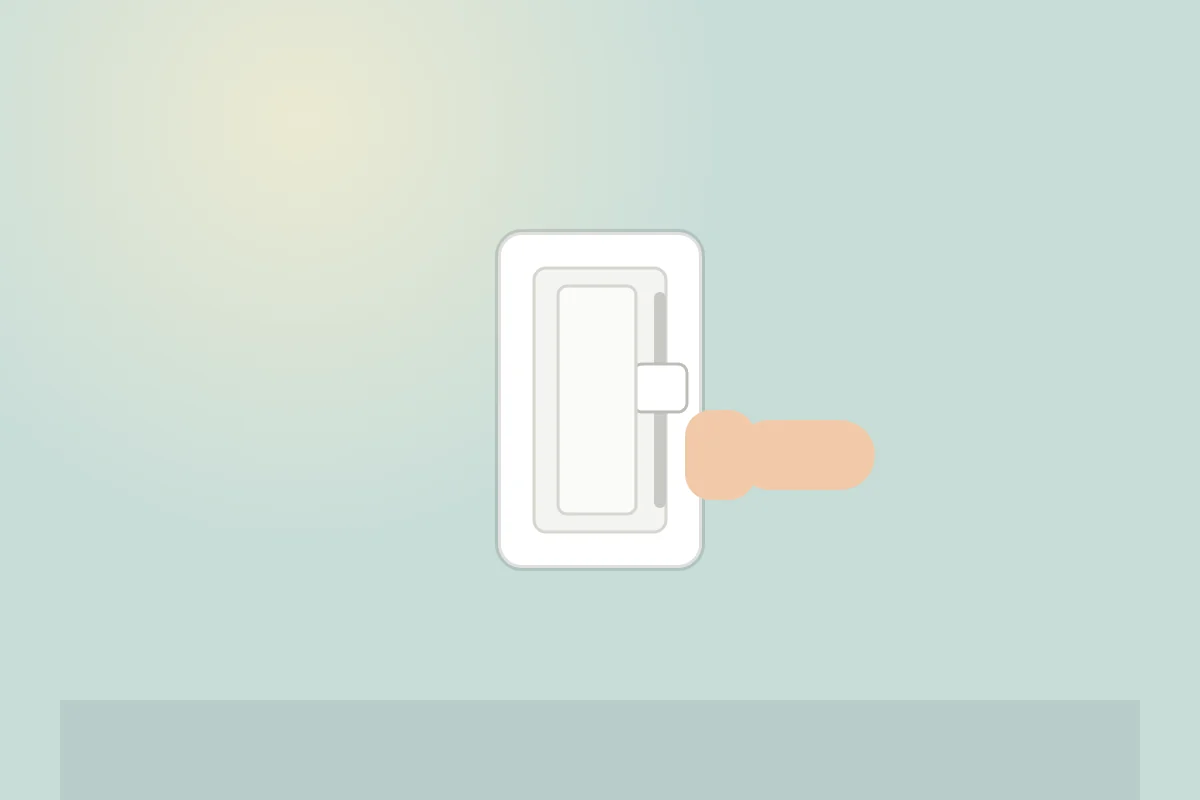
- The dimmer face or cover plate is warm whenever the lights are on
- The dimmer gets noticeably hotter at mid-range settings
- LED bulbs flicker, buzz or drop out at low settings
- The dimmer hums or the bulbs buzz
- The dimmer stops working for a while and then comes back
Common possible causes
Dimmer is overloaded
Every dimmer has a maximum rated load. Too many fixtures or high-wattage bulbs on one dimmer push it past what it can handle comfortably.
Ganged dimmers not derated
When two or more dimmers sit side by side in one box, many manufacturers require reducing each one's capacity, sometimes by breaking off heat fins. Skipping that step leads to overheating.
Dimmer not rated for LEDs
Older incandescent dimmers can run hot and act erratically with LED bulbs. A dimmer designed for LED loads, used with dimmable bulbs, behaves much better.
Non-dimmable bulbs
Putting non-dimmable LED or CFL bulbs on a dimmer can cause buzzing, flicker and extra heat in the dimmer and the bulbs.
Loose or poor connection
Sometimes the heat comes from a loose wire behind the dimmer rather than the dimmer itself, and that kind of heat tends to worsen.
Safe checks you can make
- Add up the wattage of every bulb on the dimmer
- Check bulb packaging or bases to confirm they say dimmable
- Note whether the dimmer shares a box with other dimmers
- Compare warmth at full brightness and at a middle setting
What not to do
- Do not cover the dimmer or block airflow around the plate
- Do not keep using a dimmer that is too hot to touch
- Do not break off fins or modify a dimmer that is already installed
- Do not mix non-dimmable bulbs into a dimmed circuit
Can you sort this out yourself?
This is one of the problems a homeowner can sometimes solve without touching any wiring. If the bulbs are not labeled dimmable, replacing them with dimmable LEDs often stops the buzzing and lowers the heat. Swapping high-wattage incandescent or halogen bulbs for LEDs can bring an overloaded dimmer back within its rating. If the dimmer still runs hot after that, or if several dimmers share one box, the fix involves replacing or reconfiguring the device, which belongs with an electrician.
When professional help is appropriate
- The dimmer is too hot to keep a hand on
- Heat stays high even after switching to dimmable LED bulbs
- Three or more dimmers share one wall box
- The plate or wall paint is discolored near the dimmer
- The dimmer cuts out on its own and resets later
What an electrician typically checks
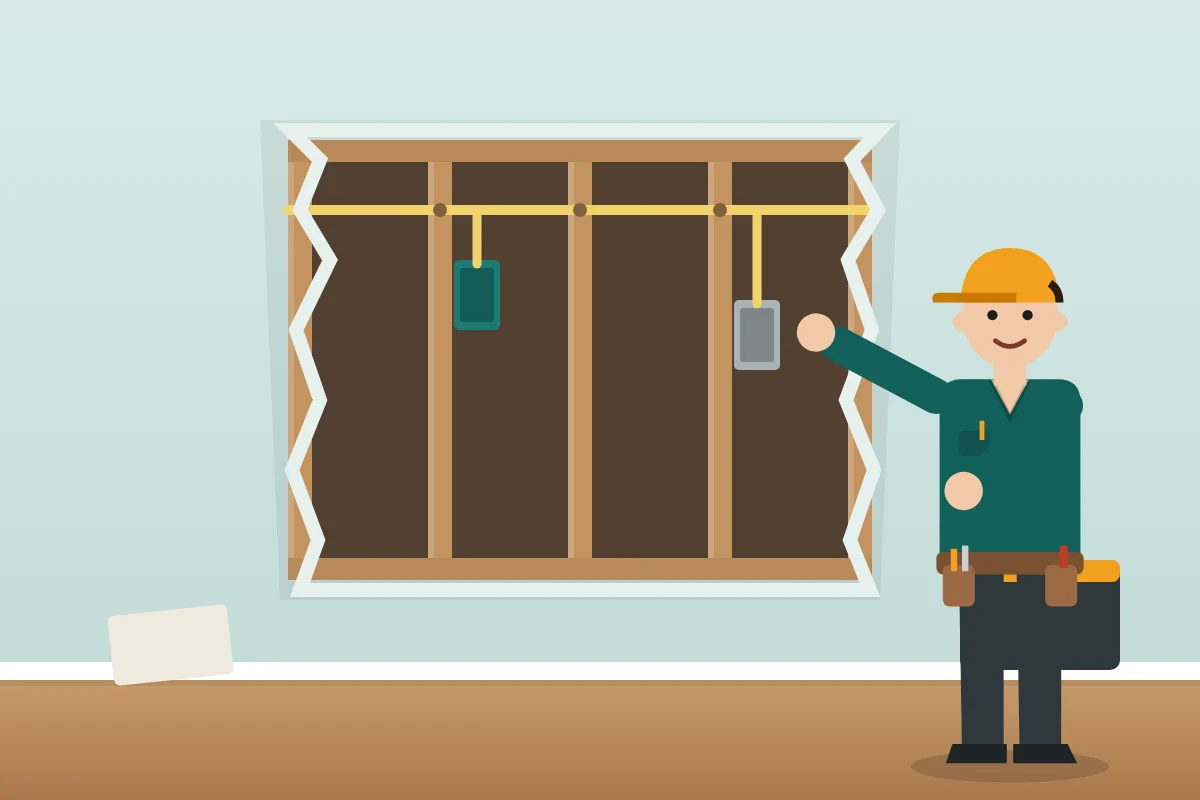
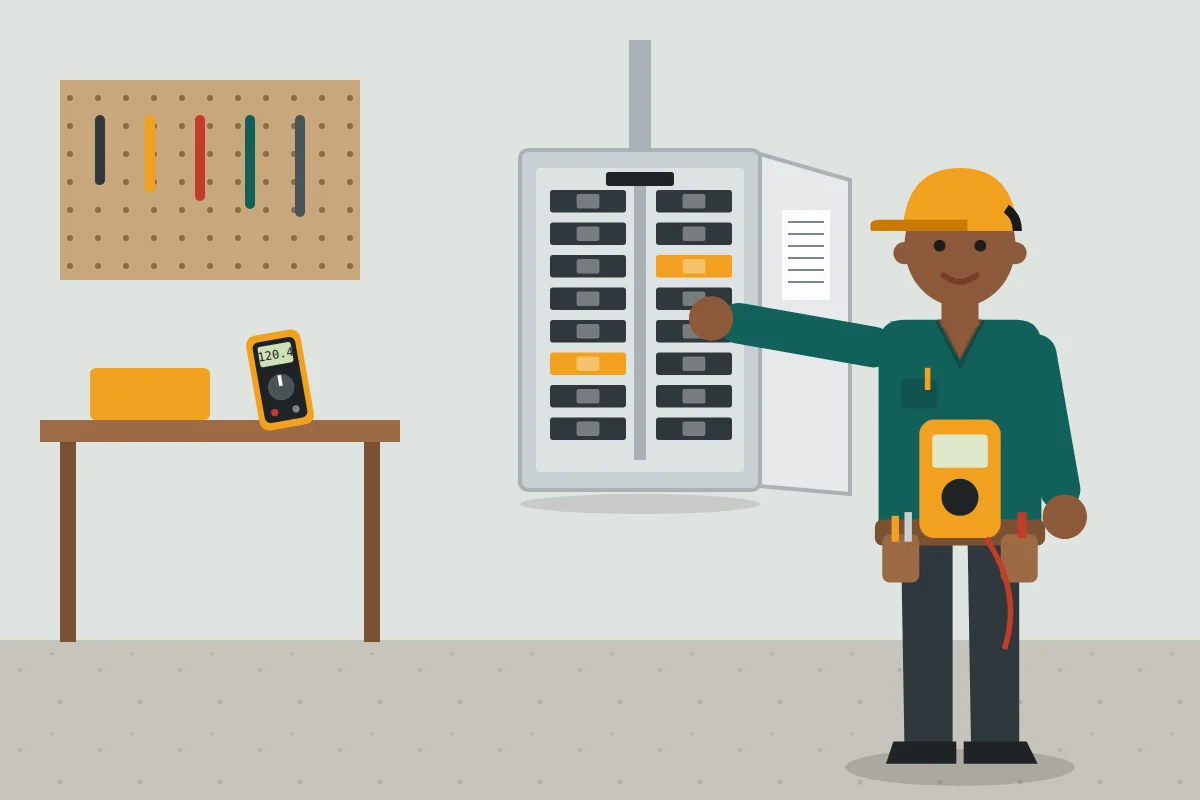
An electrician will compare the dimmer's rating with the actual connected load, check whether ganged dimmers were derated, and confirm the dimmer type matches the bulbs. With power off, they inspect the connections for heat damage, especially in older or crowded boxes.
Common fixes include installing a higher-capacity or LED-rated dimmer, splitting a large lighting load between two controls, or moving to a wider box so dimmers can be properly spaced. Many homeowners pair the repair with LED lighting upgrades so the whole system runs cooler and dims smoothly.
Keeping it from coming back
Buy dimmable LED bulbs for dimmed fixtures, and stay well under the dimmer's rated load. When planning a kitchen or great room with several dimmers in one spot, ask about ganging limits before the boxes go in. If a plain switch is the warm one, read about a warm switch plate instead.