It suits Chattanooga homeowners who are tired of yellowed glass bowls, flickering tubes, hot halogen cans or rooms that feel flat at night. If a room has no light at all, new indoor lighting installation is the better starting point. A call connects you with an independent local electrician.
Three Ways to Improve the Lighting You Have
LED retrofits come first for many homes. Older recessed cans can often take LED retrofit trims, and fluorescent fixtures in kitchens, laundry rooms and garages can be replaced with LED fixtures rather than rebuilt with new ballasts. LEDs run cooler, last longer and come in a range of color temperatures, so it is worth choosing one warmth and sticking with it across a space.
Replacing dated fixtures is the second piece, and it is a good time to check the box, support and wiring behind each one, since older fixtures sometimes hide brittle insulation or heat damage. Layered lighting ties it together: ambient light for the whole room, task lighting such as under-cabinet strips or a vanity light, and accent lighting for shelves or artwork, ideally on separate controls.
Good Times to Upgrade Your Lighting
Swapping old incandescent or halogen recessed cans for LED retrofit trims
Replacing buzzing or flickering fluorescent fixtures in a kitchen, laundry room or garage
Updating builder-grade or decades-old fixtures before listing or after buying a home
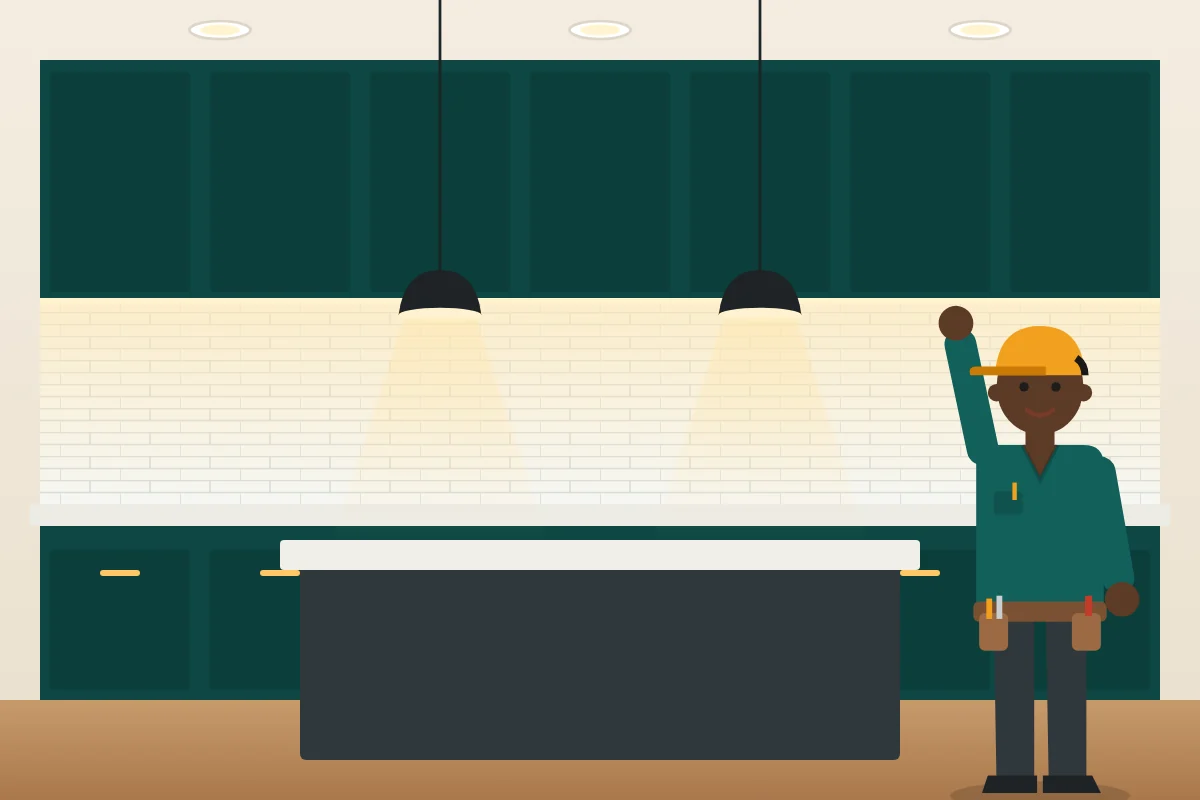
Adding under-cabinet task lighting to an existing kitchen
Creating separate ambient and accent lighting in a living or dining room
Signs Your Current Lighting Is Overdue for an Update
- Fixtures discolored, cracked or brown around the base from heat
- Fluorescent tubes that hum, flicker or take a while to start
- Bulbs burning out unusually often in the same fixture
- A mix of bulb colors that makes rooms look patchy
- Rooms that feel bright overhead but dim where you actually read or cook
What an Upgrade Visit Usually Covers
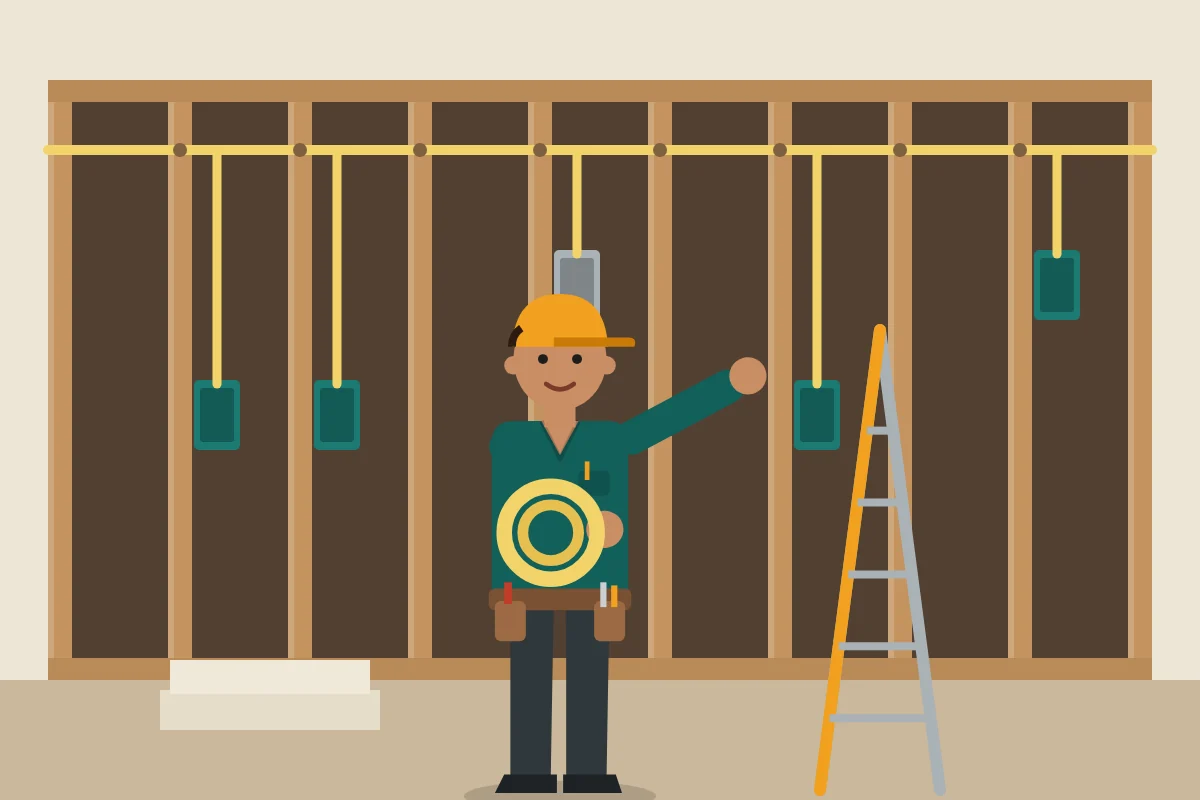
The electrician looks at each fixture you want to change, checks the box and wiring behind it, and makes sure new fixtures and LED retrofits work with existing switches and dimmers. Surprises behind old fixtures are common enough to plan for.
- Condition of wiring and insulation behind older fixtures
- Box size and support for the new fixture's weight
- LED retrofit fit and ratings for recessed cans
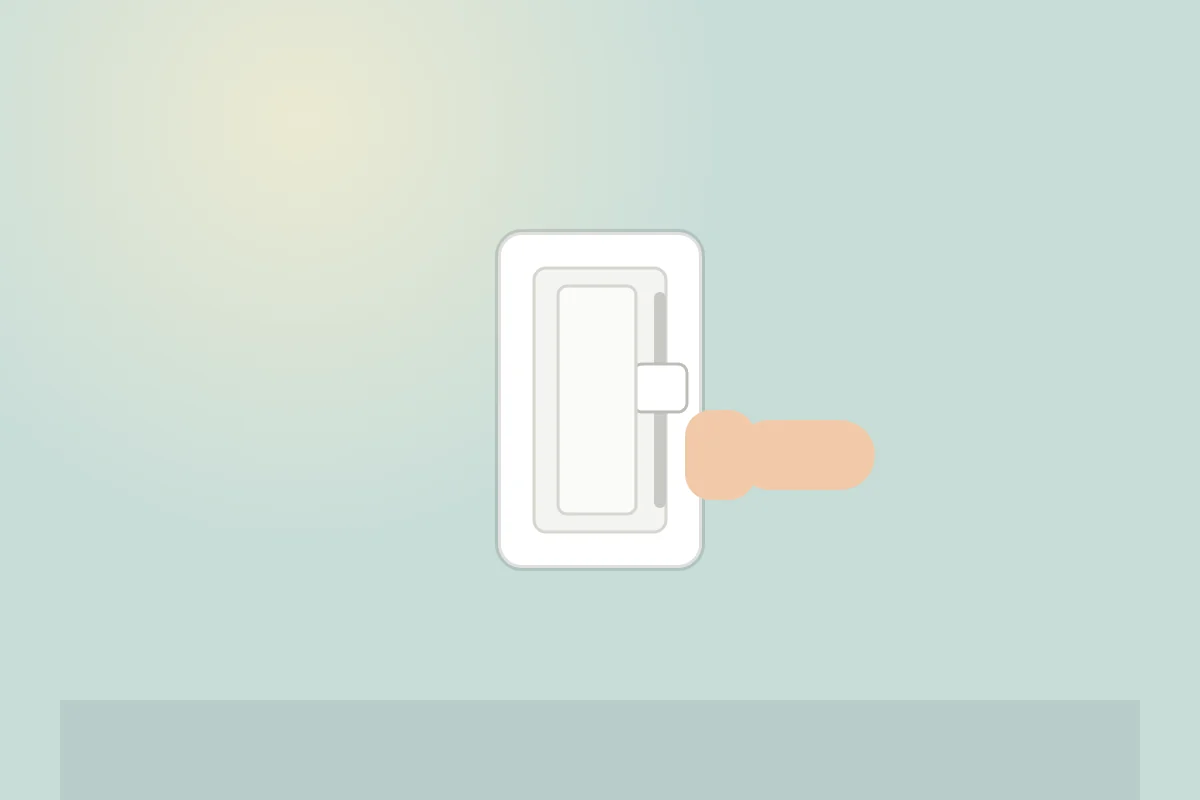
- Dimmer compatibility with LED fixtures and bulbs
- Separate switching for ambient, task and accent layers
How it usually works
Call and list the fixtures
Mention which rooms and fixtures bother you and what you would like instead. The call connects you with an independent local electrician.
Assess and choose
The electrician checks existing boxes, wiring and switches and helps narrow fixture types, LED options and layers for each room.
Swap and correct
Old fixtures come down, damaged wiring or undersized boxes are corrected and new fixtures or retrofits go in.
Fine-tune and test
Dimmers and switches are matched to the new lighting, color and brightness are checked and every fixture is tested.
For homes around Chattanooga
Homes from the early and mid 1900s in neighborhoods like St. Elmo, Highland Park and North Shore often have a patchwork of fixtures added over decades, from original ceiling lights to later fluorescent kitchens. Many newer houses in the fast-growing suburbs around Chattanooga came with basic builder fixtures that owners want to replace.