Lighting & Controls

Energy-Saving Electrical Upgrades for Chattanooga Homes

Energy-saving electrical upgrades are changes to your wiring, lighting and controls that help the house use electricity more sensibly. Typical projects include LED lighting, occupancy sensors and timers, controls for exterior lights and bath fans, and new or updated circuits so you can switch to more efficient equipment such as a heat pump or heat pump water heater.

Your call connects you with an independent local electrician who serves your area.

Illustration of a smart lighting wall panel and a phone app above a console table

Results depend on how the house is used, so an honest electrician will not promise a particular drop in your bill. What they can do is help Chattanooga homeowners find the changes that make practical sense. A call connects you with an independent local electrician who can talk through options.

Where Electrical Efficiency Improvements Usually Happen

Lighting and controls are the simplest place to start. Replacing older fixtures with LED, putting closets and laundry rooms on vacancy sensors, and using timers or photocells for outdoor lights all cut down on lights that burn for no reason. The LED lighting upgrades page goes deeper on fixture choices.

The bigger opportunity is often equipment. Heat pumps and heat pump water heaters can use less energy than older equipment, but they have specific circuit, breaker and disconnect requirements, and some homes need panel changes to support them. An electrician makes sure the wiring matches the new equipment's nameplate requirements before the HVAC or plumbing contractor finishes the install.

Situations Where These Upgrades Make Sense

  1. Replacing an aging furnace or air conditioner with a heat pump

  2. Switching to a heat pump water heater that needs a different circuit

  3. Converting a home full of older fixtures and bulbs to LED

  4. Adding timers or sensors for outdoor lights, closets, garages and bath fans

  5. Planning a remodel and wanting efficient lighting and controls built in

Signs Your Electrical Setup Is Wasting Energy

  • Outdoor or garage lights regularly left on all day
  • Older fixtures that run hot and need frequent bulb changes
  • Bath fans with no timer that run for hours or not at all
  • An aging water heater or HVAC system on wiring that may not suit a replacement
  • A panel with no room for the circuit a new efficient appliance needs

What the Electrician Looks At

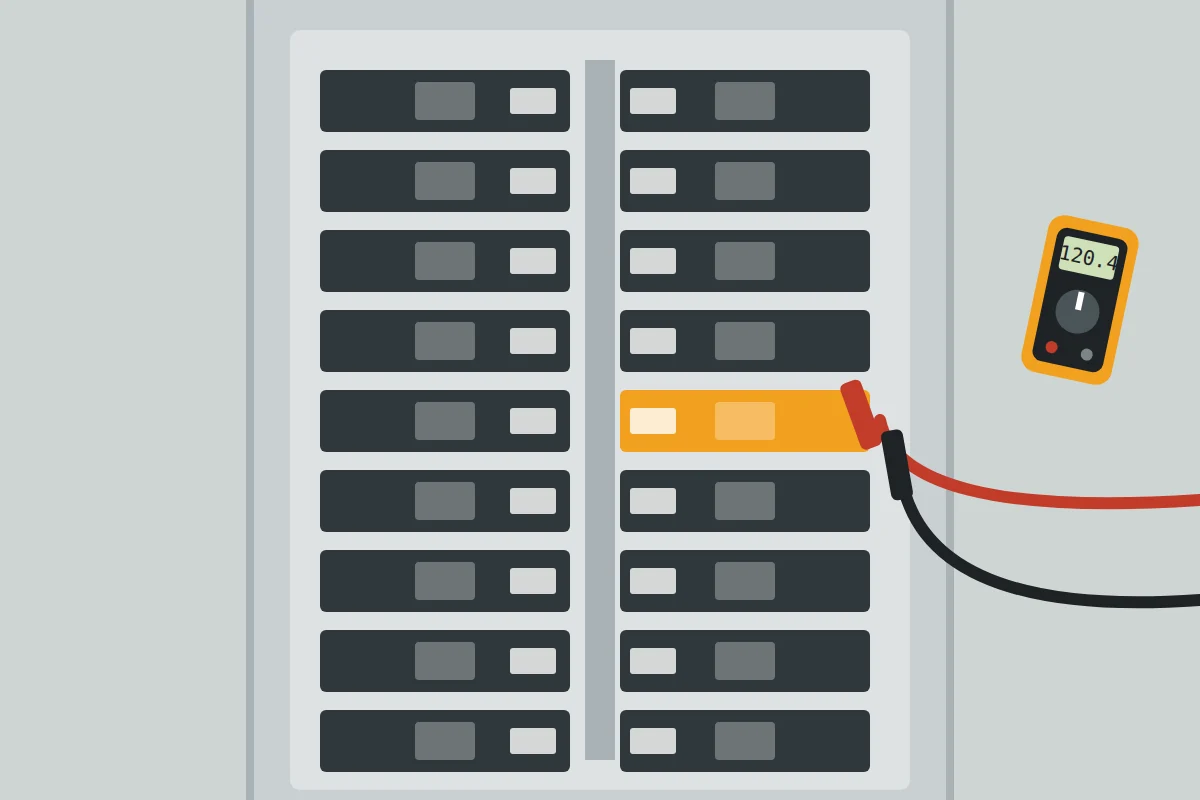
An efficiency-focused visit usually covers the panel, the circuits feeding major equipment and the lighting and controls throughout the house. The electrician then lays out options in a practical order.

  • Panel capacity and breaker space for heat pump or water heater circuits
  • Circuit size and disconnects matched to new equipment
  • Existing fixtures that can be converted to LED
  • Locations where sensors, timers or photocells make sense
  • Bath fan controls and exterior lighting schedules
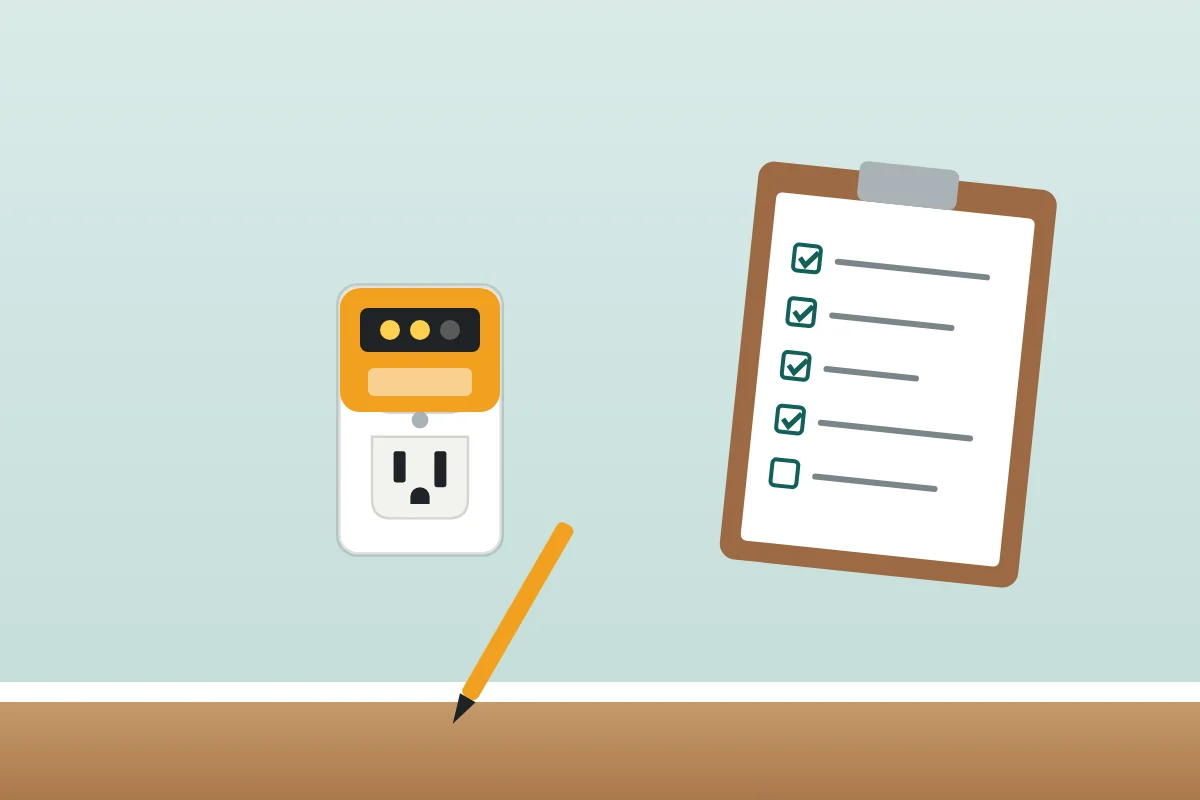
Illustration of an outlet tester in a wall receptacle beside an inspection checklist
Illustration. People shown are not contractors listed on this site.

How it usually works

  1. Call and share your goals

    Describe the equipment and lighting you are thinking about and any upcoming replacements. You will be connected with an independent local electrician.

  2. Look at the house

    The electrician checks the panel, the circuits feeding major equipment and the lighting and controls you would like to change.

  3. Prioritize the options

    You get practical options in order, from simple lighting and control changes to circuit work for new equipment.

  4. Install and verify

    Wiring, circuits and controls are installed to current code, inspected where required and tested with the equipment.

For homes around Chattanooga

Hot, humid summers mean heavy air conditioning load across the Chattanooga area, and heat pumps are already common here. Many homeowners replacing older systems look at heat pumps or heat pump water heaters, which makes the electrical side of those swaps one of the more practical efficiency projects. Older homes may need panel or circuit changes first, while newer suburban houses often focus on LED lighting and controls.
Related problems

Problems that often lead to energy-saving electrical upgrades

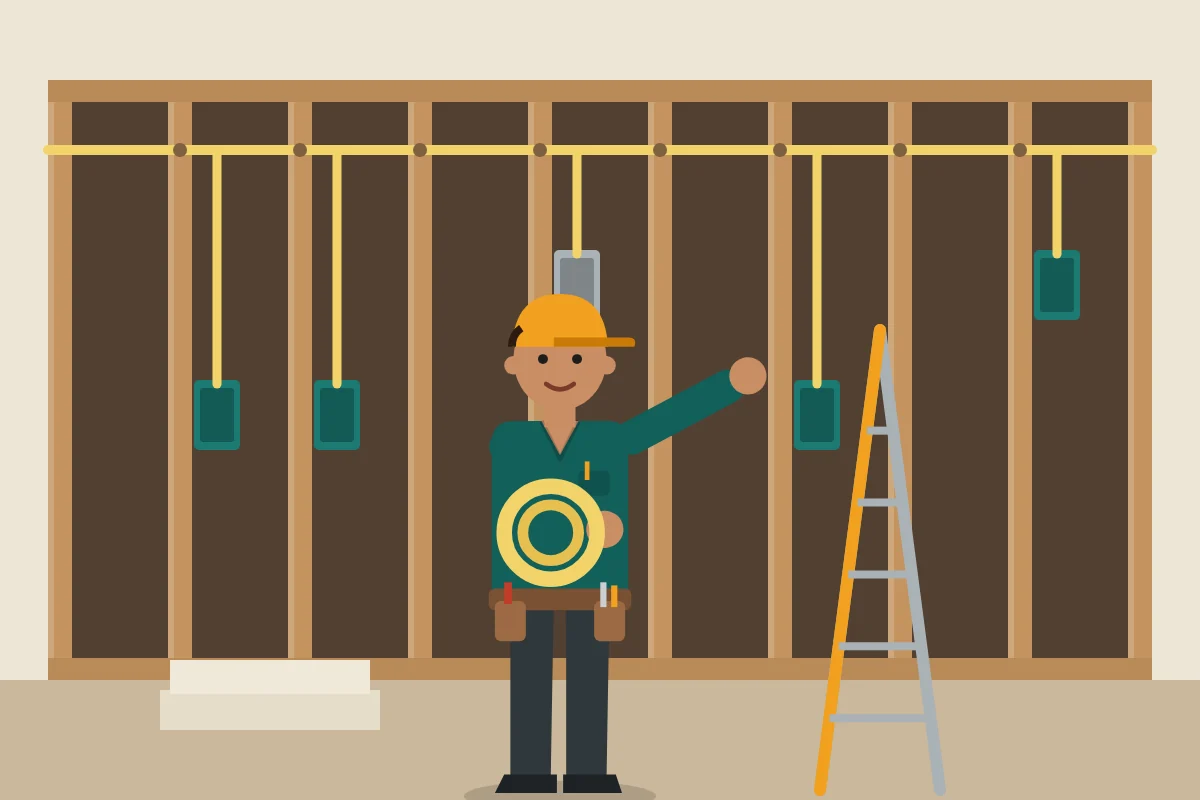
  • Not Enough Breaker Space in Panel

    Running out of panel slots is common when adding an EV charger, hot tub or remodel circuits, and there are usually several ways to make room.

    Usually not an emergency
  • Breaker Trips After Installing New Appliance

    A new appliance that keeps tripping a breaker usually points to an overloaded circuit, a wrong-size breaker or a wiring fault at the new connection.

    Get it checked soon

Related services

Often planned alongside energy-saving electrical upgrades

Lighting & Controls

Lighting Upgrades

Improving the lighting you already have with LED retrofits, updated fixtures and layered ambient, task and accent light.

Lighting & Controls

Lighting Controls & Dimmers

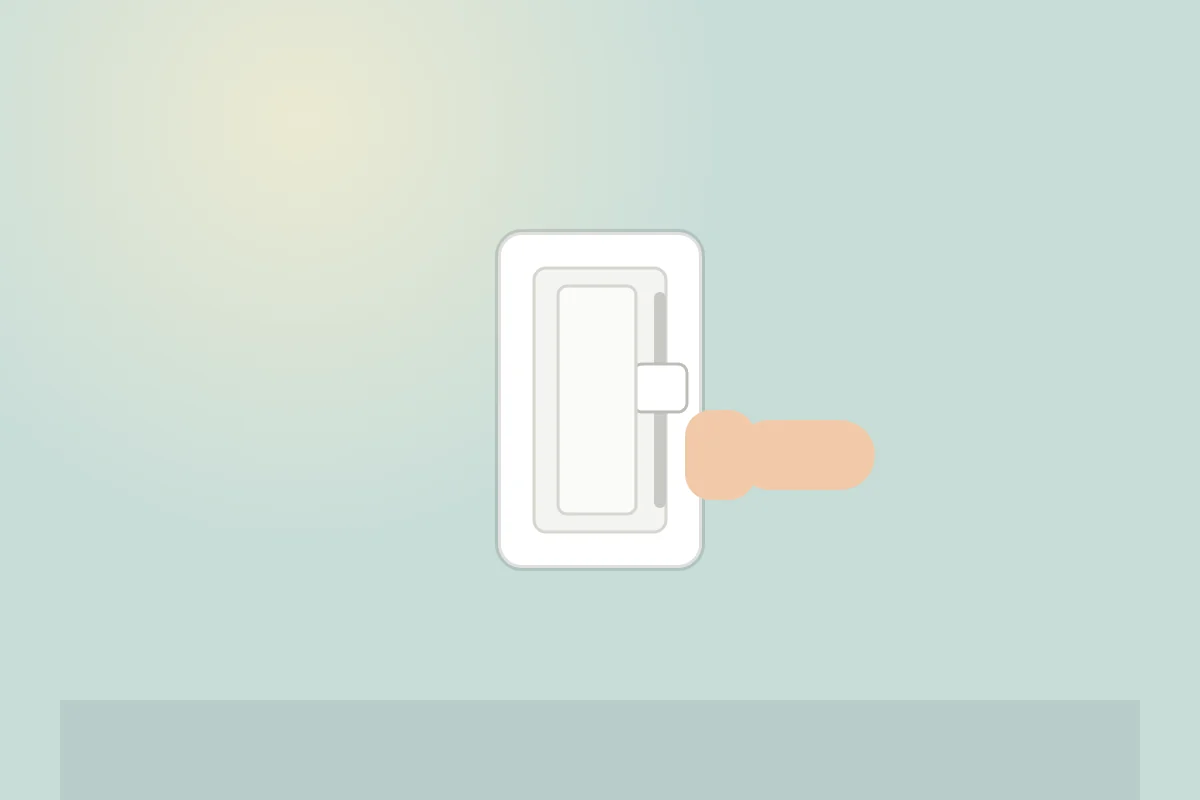
Dimmers, three-way switches, timers, occupancy sensors and smart controls matched to the lights they actually run.

Wiring & Older Homes

Dedicated Appliance Circuits

Single-appliance circuits for microwaves, freezers, dryers, ranges and well pumps, added by a local electrician in the Chattanooga area.

Panels, Breakers & Service

Electrical Service Upgrades

Increasing the size of the home's electrical service, based on a load calculation and coordinated with the power company.

Service areas

Energy-Saving Electrical Upgrades around Chattanooga

Homeowners from Soddy-Daisy to Ringgold call about energy-saving electrical upgrades. Calls go to participating independent electricians; pick your community for local context.

See every service area →

FAQ

Energy-Saving Electrical Upgrades: common questions

Straight answers to the questions homeowners ask most about this topic.

Call Now

That depends on how many lights you have, how long they run and what bulbs they replace, so no one can honestly promise a specific number. LEDs use much less power than incandescent bulbs for similar light and last longer, which is why they are a common first step.

Often, yes. Heat pump water heaters have specific breaker and wire size requirements, and they may differ from the old unit's. The electrician checks the nameplate and the existing circuit, then adjusts or replaces the wiring as needed before the plumber finishes.

Many can, but it depends on the panel's capacity, available breaker space and the home's existing loads. An electrician can do a load evaluation and tell you if the panel is ready or needs changes.

Devices that plug into an outlet and claim to reduce a whole home's energy use generally do not work as advertised. Real savings come from efficient equipment, lighting and controls.

Closets, laundry rooms, garages, pantries and bathrooms are good candidates because lights there are often left on. Living spaces may work better with dimmers and regular switches. The electrician can help match the right control to each room and its wiring.

Simple changes like LED bulbs and timers can happen anytime. Bigger items, such as new circuits for efficient equipment or rewiring lighting, often fit more easily into a remodel when walls are open. If a breaker trips after a new appliance goes in, address that sooner.

Call now

Ready to talk about energy-saving electrical upgrades?

One call connects you with a local electrician who can look at your home and explain your options.

Your call connects you with an independent local electrician who serves your area.