Lighting & Controls

Lighting Controls and Dimmer Installation in Chattanooga

Lighting controls are the switches and devices that decide when lights come on and how bright they are. This service covers dimmer installation, three-way and four-way switching for rooms and stairways with more than one entrance, timers, occupancy and vacancy sensors, and smart switches.

Your call connects you with an independent local electrician who serves your area.

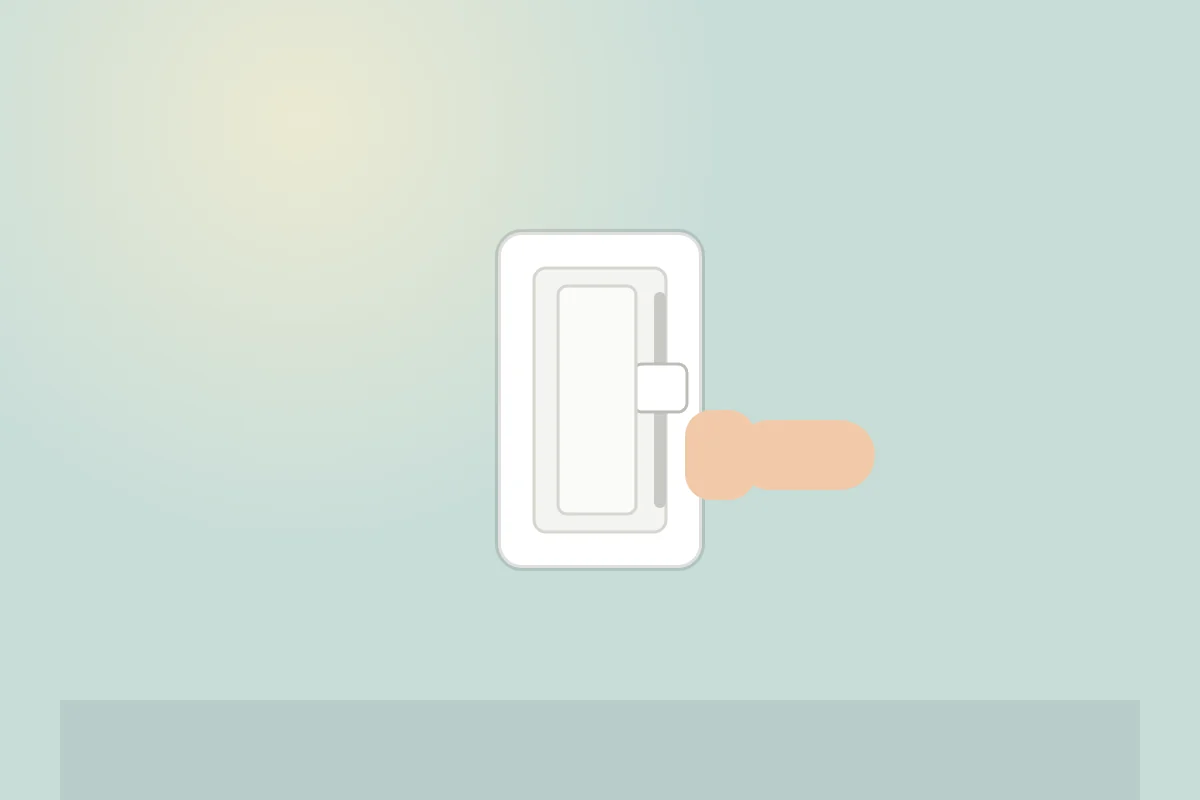
Illustration of a hand adjusting a slide dimmer switch

Homeowners usually call when LED lights flicker on old dimmers, when a switch gets warm, or when they want to control a light from a second location. A dimmer switch electrician in Chattanooga who checks compatibility before installing saves a lot of trial and error. A call connects you with an independent local electrician.

Matching the Control to the Light

The most common dimmer problem today is compatibility. LED fixtures and bulbs dim differently than incandescent bulbs, and each dimmer has a minimum and maximum load it handles well. An LED-rated dimmer matched to the fixtures, sometimes with an adjustable low-end setting, usually fixes flicker, buzzing and lights that will not turn fully off.

Other controls solve other problems. Multi-location switching lets you control stair and hall lights from both ends. Occupancy sensors turn lights on when someone enters, vacancy sensors only turn them off, and timers handle outdoor and closet lights. Smart switches often need a neutral wire in the box, which some older homes lack, so that is worth checking first. Larger automation projects are covered under smart home wiring.

When Homeowners Ask for New Controls

  1. LED lights flicker, buzz or will not dim smoothly after a bulb change

  2. A stairway or long hall can only be switched from one end

  3. Closet, pantry or laundry lights get left on for hours

  4. A dining or living room light needs to dim for evenings

  5. Outdoor lights need a timer or dusk-to-dawn control instead of a manual switch

Signs a Switch or Dimmer Needs Attention

  • A dimmer or switch plate feels hot rather than slightly warm
  • Lights flicker or hum at certain dimmer settings
  • A three-way switch only works when the other switch is in one position
  • Lights glow faintly even when the dimmer is off
  • A switch crackles, sparks or feels loose when used

What Gets Checked Before Installing Controls

The electrician confirms what each switch controls, what type of lighting is on the circuit and what wiring is in the box. That determines which dimmer or control will work, and whether wiring changes are needed for multi-location or smart control.

  • Dimmer ratings against the LED or incandescent load
  • Presence of a neutral wire for smart switches and sensors
  • Box size for wider dimmers and multi-gang plates
  • Traveler wiring for three-way and four-way switching
  • Sensor placement for occupancy and vacancy controls
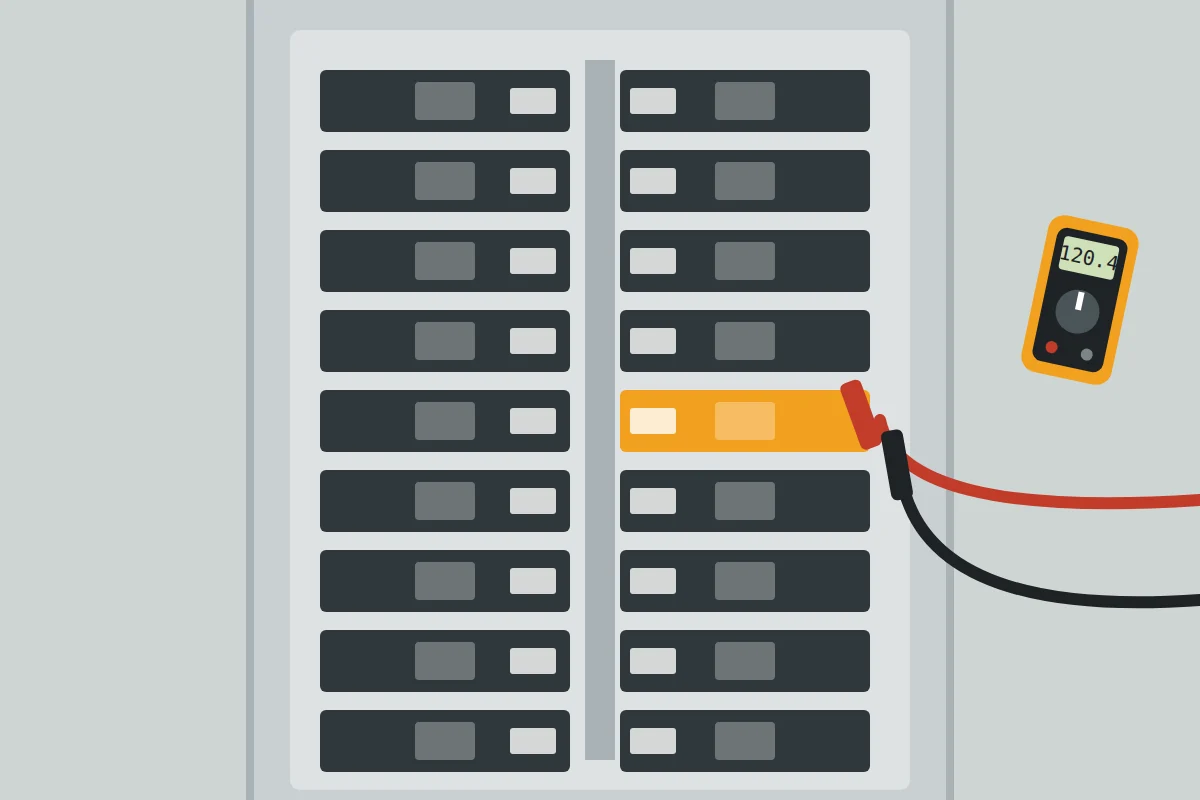
Illustration of a close-up of circuit breakers in a home panel with multimeter test leads
Illustration. People shown are not contractors listed on this site.

How it usually works

  1. Call and describe the switches

    Explain which lights and switches you want to change and what you have noticed, such as flicker or heat. You will be connected with an independent local electrician.

  2. Identify loads and wiring

    The electrician checks what each switch controls, the type of lighting and what wiring is in the box.

  3. Install matched controls

    Compatible dimmers, multi-location switches, sensors or timers are installed, with wiring changes made where needed.

  4. Adjust and walk through

    Dimmer trim settings and sensor timing are adjusted, everything is tested and you see how each control works.

For homes around Chattanooga

Older Chattanooga homes often have switch boxes too shallow for modern dimmers or no neutral wire at the switch, which limits smart control options without some rewiring. Newer suburban houses usually have room for controls but plenty of LED fixtures on dimmers that were never matched to them.

Related problems

Problems that often lead to lighting controls & dimmers

  • Dimmer Switch Gets Hot

    Dimmers run warm by design, but a dimmer that gets hot often means too much load, the wrong bulbs or dimmers ganged too tightly.

    Get it checked soon
  • Three-Way Light Switch Not Working

    Three-way switches fail in a few predictable ways, from a worn switch to swapped travelers after a replacement.

    Usually not an emergency
  • Switch Plate Feels Warm

    A warm switch plate is sometimes harmless, but heat at a standard toggle switch often points to a loose or worn connection.

    Get it checked soon
  • Light Switch Controls Wrong Light

    When a switch runs the wrong fixture, the cause is usually a wiring mix-up from a past remodel or fixture swap, not a failing part.

    Usually not an emergency

Related services

Often planned alongside lighting controls & dimmers

Lighting & Controls

Lighting Upgrades

Improving the lighting you already have with LED retrofits, updated fixtures and layered ambient, task and accent light.

Generators, EV & Smart Home

Smart Home Wiring

Smart switches and controls often need a neutral wire, deeper boxes and clean circuits, which many older homes do not have yet.

Lighting & Controls

Indoor Lighting Installation

Adding new light fixtures, recessed lighting, pendants and switches where a room has too little light or none at all.

Lighting & Controls

Energy-Saving Electrical Upgrades

LED lighting, sensors, timers and properly sized circuits for efficient heat pumps and water heaters, planned room by room.

Service areas

Lighting Controls & Dimmers around Chattanooga

Homeowners from Soddy-Daisy to Ringgold call about lighting controls & dimmers. Calls go to participating independent electricians; pick your community for local context.

See every service area →

FAQ

Lighting Controls & Dimmers: common questions

Straight answers to the questions homeowners ask most about this topic.

Call Now

A faint glow when the dimmer is off often comes from a dimmer that leaks a small current to power itself, and LEDs respond to it. An LED-compatible dimmer, or adjusting its low-end setting, usually fixes it. Wiring issues are possible too, so persistent glow is worth checking.

A dimmer can feel slightly warm in normal use because it sheds a little heat while controlling power. If it feels hot, discolors the faceplate or smells, it may be overloaded or failing. Turn it off and have it checked before using it again.

Usually, yes. Adding a second switch location requires running cable between the two switch boxes and the light, which may involve some wall openings. The attic or basement often provides a path.

Some smart switches need a neutral in the box and will not work without one, while others are made for no-neutral installs with some limitations. An electrician can check what is in the box and suggest options, including running a neutral where practical.

An occupancy sensor turns lights on automatically when it detects motion and off after the room is empty. A vacancy sensor requires you to turn lights on manually but shuts them off automatically. Vacancy sensors suit rooms where automatic turn-on would be annoying.

Yes, as long as the total load stays within the dimmer's rating, which is often lower for LEDs than for incandescent bulbs. Side-by-side dimmers in one box can also require derating. The electrician adds up the fixtures and selects a dimmer that handles them comfortably.

Call now

Ready to talk about lighting controls & dimmers?

One call connects you with a local electrician who can look at your home and explain your options.

Your call connects you with an independent local electrician who serves your area.