Homeowners in Chattanooga often call for this during a remodel, after buying an older house with dim rooms. If you mostly want to replace or modernize existing fixtures, lighting upgrades may be the closer match. A call connects you with an independent local electrician.
How New Interior Lighting Gets Added
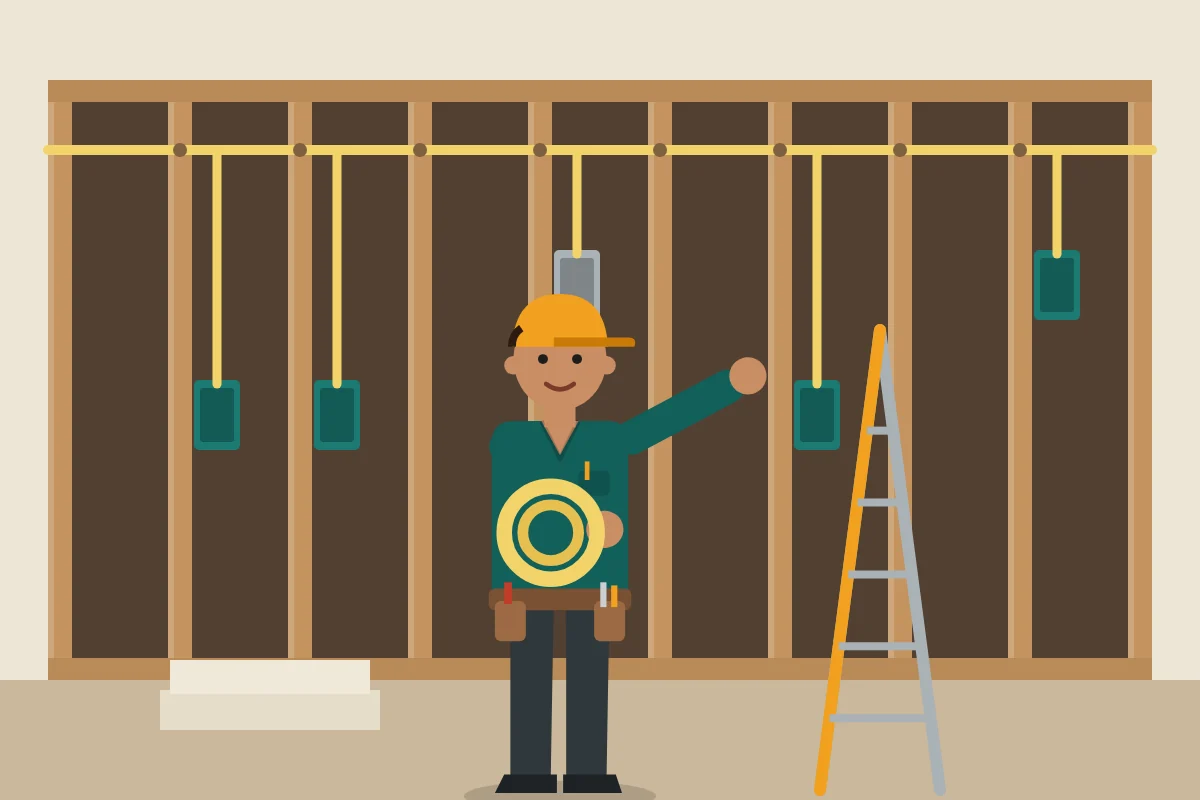
The electrician first figures out where power will come from. Sometimes an existing lighting circuit has capacity and a convenient path; other times a new circuit from the panel makes more sense. Then comes routing: getting cable through finished walls and ceilings with as few openings as possible.
Fixture type shapes the rest of the job. Recessed lights need housings or canless fittings suited to insulated ceilings. Heavy chandeliers and pendants need boxes and supports rated for the weight. Every new light needs a sensible switch location, and rooms with two entrances usually benefit from three-way switching so you are never crossing a dark room.
Typical Reasons to Add Indoor Lighting
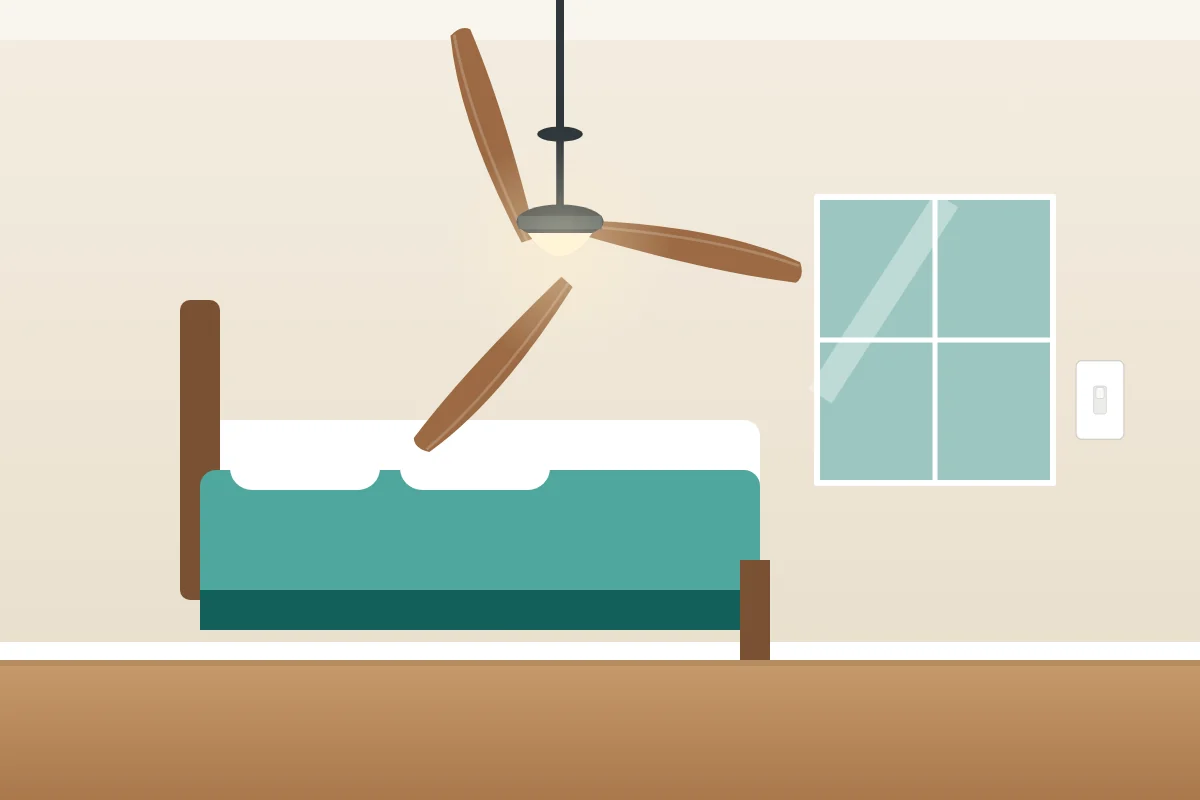
A living room or bedroom with no ceiling light, lit only by lamps
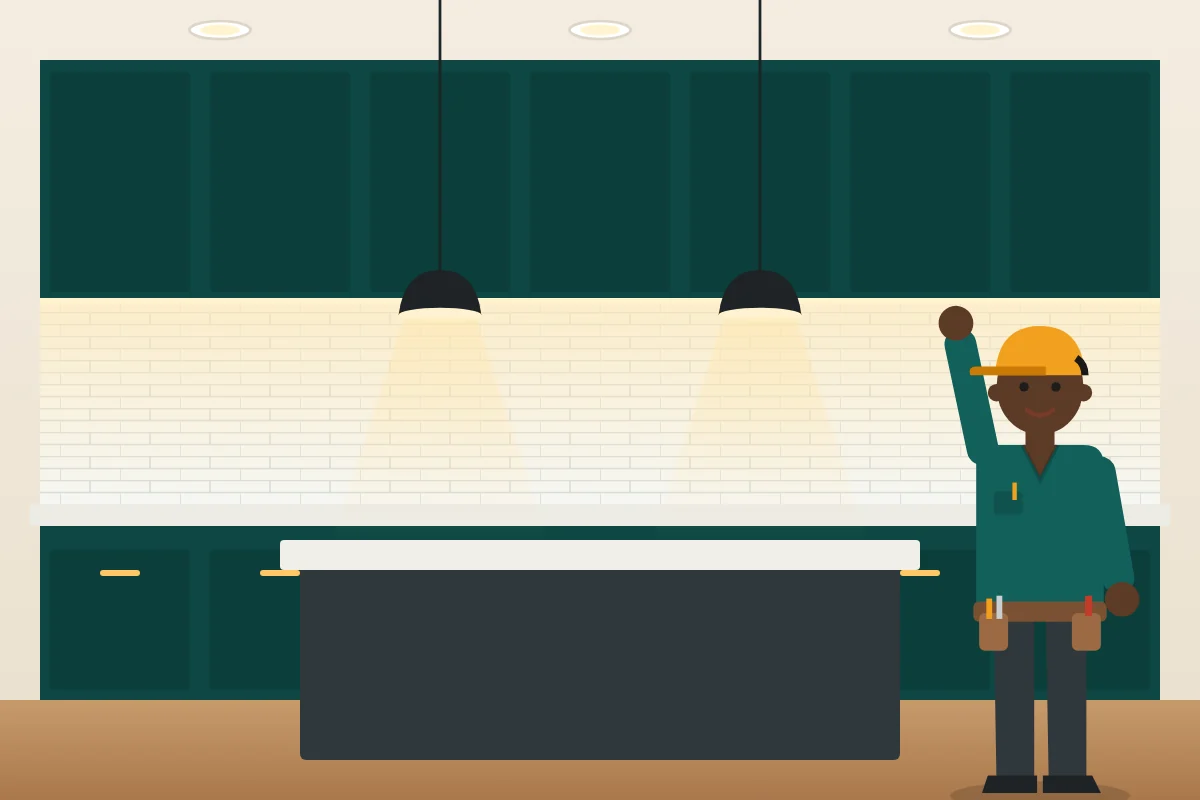
Recessed lighting for a kitchen, hallway or family room during a remodel
Pendants over an island or a chandelier over a dining table where no box exists
Closet, pantry or stairway lights in older homes that never had them
A new switch at a second doorway so a room can be controlled from both ends
Clues a Room Needs More Than a New Bulb
- You rely on several lamps and extension cords to light one room
- Stairs, hallways or entries are dark enough to be a tripping hazard
- Kitchen counters sit in shadow because the only light is behind you
- A ceiling box exists but is in the wrong spot for the furniture layout
- There is no switch at the door, so you walk into the dark to find a lamp
What Goes Into an Installation
Expect the electrician to talk through the layout, look at the attic or basement for cable paths, and check the circuit that will feed the new lights. Some patching afterward is common.
- Circuit capacity and the right place to pick up power
- Ceiling joist direction and attic access for routing cable
- Boxes rated for the weight of pendants and chandeliers
- Recessed fixtures rated for contact with insulation where needed
- Switch locations and three-way control at multiple entrances
How it usually works
Call and talk through the rooms
Describe the rooms, the kind of lighting you want and anything you know about attic or basement access. The call connects you with an independent local electrician.
Layout and power plan
The electrician marks fixture and switch locations, chooses a power source and explains any patching the job may need.
Run cable and set boxes
Cable is fished or routed to each location, boxes and supports are installed, and inspection happens where local rules require it.
Hang fixtures and test
Fixtures and switches are connected, every light and control is tested, and you learn how the switching works.
For homes around Chattanooga
Plenty of Chattanooga's older homes, including many in North Shore and Brainerd, were built when one ceiling light per room was considered generous and some rooms got none. Plaster walls and older framing can make fishing new cable slower, while mid-century ranches with open attics tend to be easier.