What you may be noticing
- Flipping one switch turns on a light in a different spot than you expect
- Two switches in a gang seem to control each other's lights
- A switch works, but only after another switch is also on
- The problem started right after a new fixture, fan or smart switch was installed
Common possible causes
Switch legs swapped in a multi-gang box
In a box with two or three switches, the wires going up to each fixture can easily be landed on the wrong switch during a replacement.
Leftover wiring from a remodel
Rooms that were combined or rearranged sometimes keep the old switch locations, so the switch by the door ends up running a light across the room.
Shared neutral or junction box mix-up
When several lights connect in one ceiling or wall box, a crossed connection there can link fixtures that should be separate.
Smart switch wired to the wrong load
Smart switches have separate line and load terminals. If they are reversed or attached to the wrong cable, the switch may behave oddly or control the wrong fixture.
Misidentified three-way circuit
A light controlled from two places can seem to have a wrong switch if the three-way wiring was disturbed.
Safe checks you can make
- Make a simple map of which switch runs which light, including outlets controlled by a switch
- Note when the issue began and what work was done just before
- Check whether any of the lights are also controlled from a second switch
- Look for a switched outlet in the room that might explain an unused switch
What not to do
- Do not open the switch box to rearrange wires yourself
- Do not assume a switch that seems to do nothing is safe to ignore; it may still be live
- Do not install smart switches on top of a mix-up you have not sorted out
Can you sort this out yourself?
Sometimes there is no fault at all. A switch you thought ran the ceiling light may actually control a half-switched outlet for a lamp, and plugging a lamp into the top or bottom receptacle will show you. Labeling switches and living with an odd layout is also a perfectly reasonable choice. If the mix-up appeared after someone worked on the wiring, though, the correction involves moving conductors in the box, and that is work for a trained electrician.
When professional help is appropriate
- The problem began after recent wiring or fixture work
- Two switches seem to interfere with each other
- A light stays dimly on or flickers when its switch is off
- You feel any warmth, buzzing or a mild shock at the switch
- You want the layout changed to make sense for the room
What an electrician typically checks
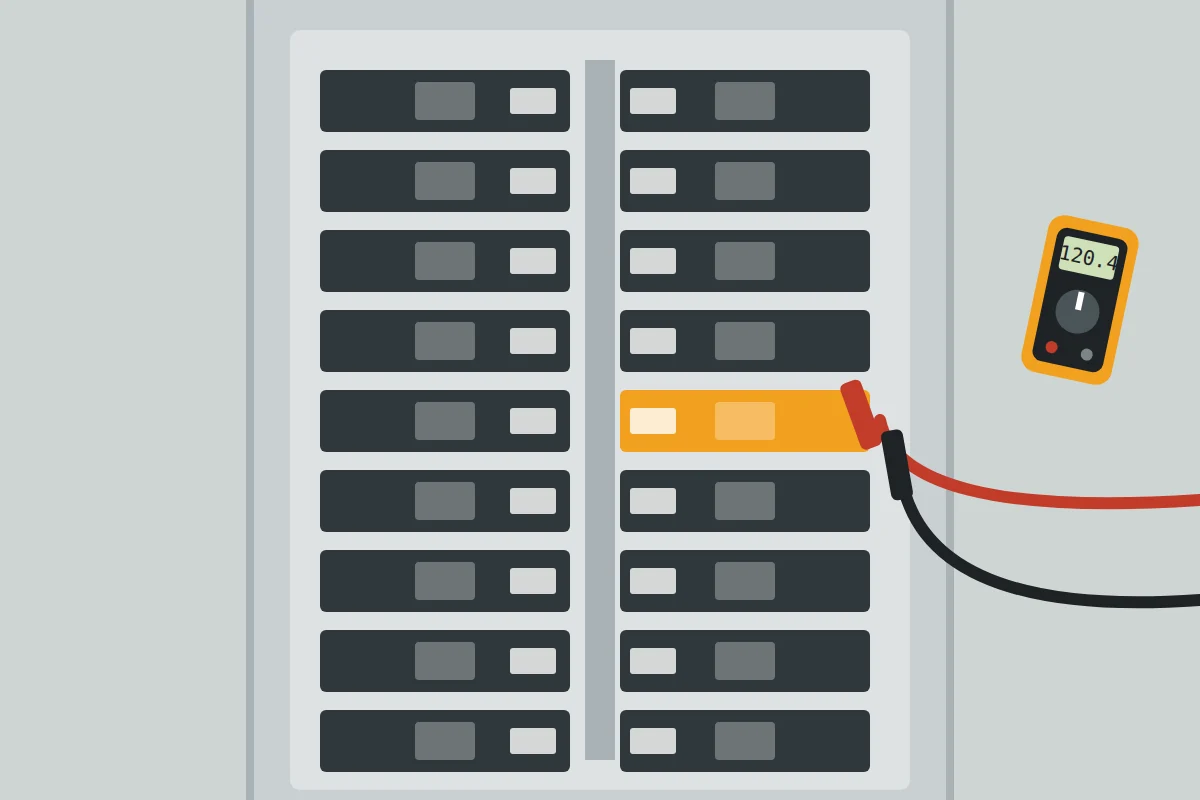
An electrician will trace each switch to its load with the power off and test equipment, confirming which cable goes where in the box. They also check that every switch is interrupting the hot conductor, not the neutral, which is a hidden mistake that leaves fixtures energized even when the switch is off.
The fix is usually re-landing the switch legs on the correct switches, correcting junction box connections or rewiring a smart switch to its proper line and load terminals. If you want switches relocated to match a new room layout, that becomes part of a lighting controls update rather than a repair.
Keeping it from coming back
Label wires before swapping switches or fixtures, and photograph connections before anything is disconnected. Hire someone qualified for smart switch upgrades in multi-gang boxes, which are easy to cross. If a light runs from two locations, see three-way switch trouble.