What you may be noticing
- Nothing happens when you flip the wall switch
- The light works but the fan does not, or the other way around
- The remote does nothing, even with fresh batteries
- The breaker is on, but the fan seems completely dead
Common possible causes
Wall switch or pull chain off
Fans with pull chains need both the wall switch and the chain in an on position. Some fans ship with the chain in the off setting.
Remote receiver not paired
Fans with remotes have a receiver in the canopy. If the remote and receiver codes or pairing do not match, the fan will not respond.
Miswired connections after a DIY install
Crossed wires, a loose wire nut, or a switched wire connected to the wrong fan lead can leave the fan without power or running only the light.
Breaker tripped or GFCI in the circuit
A wire touched during installation can trip a breaker, and some circuits are protected by a GFCI elsewhere that tripped.
Old fixture box wired differently
The old light may have been on a switch loop or a two-switch setup that does not match the new fan's instructions.
Safe checks you can make
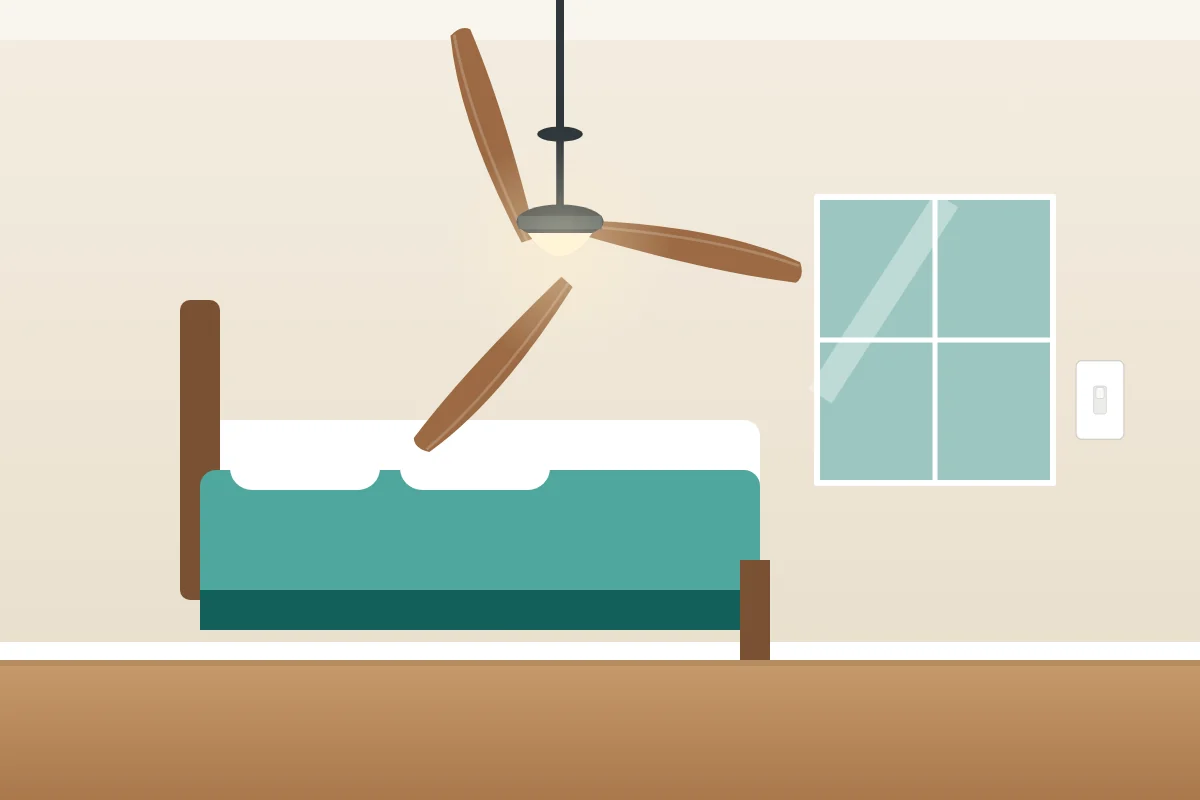
- Make sure the wall switch is on and pull each chain through a full cycle
- Replace the remote's batteries and repeat the pairing steps from the instructions
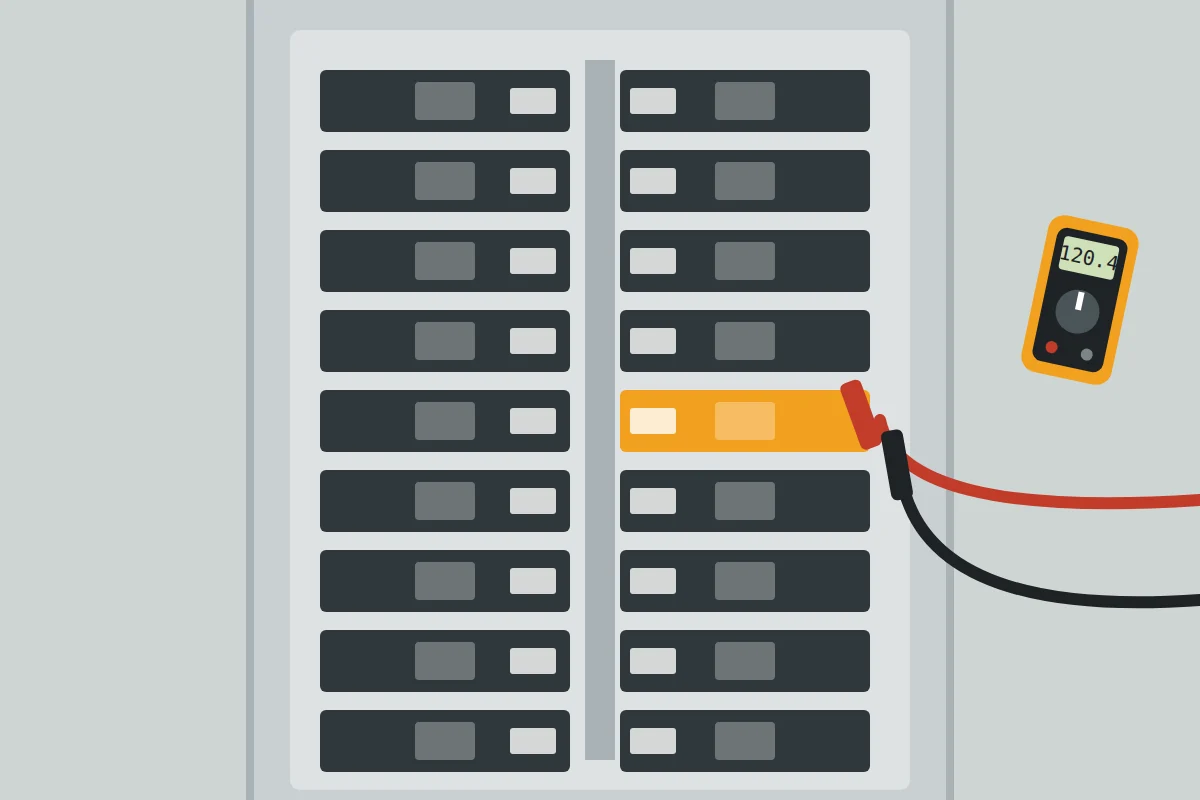
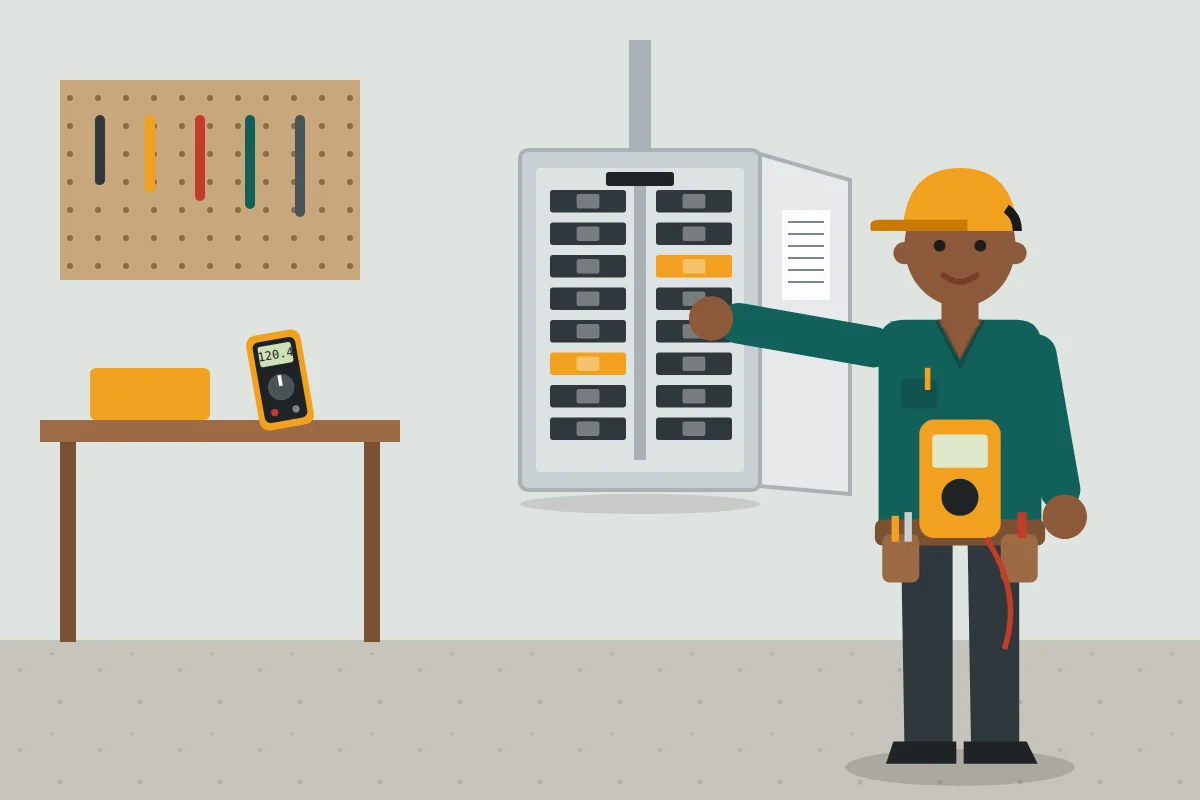
- Check the breaker panel for a tripped breaker and reset it once
- Look for a tripped GFCI outlet elsewhere on the same circuit
What not to do
- Do not open the canopy or change wire connections while the circuit may be live
- Do not try different wire combinations to see what works
- Do not keep resetting a breaker that trips when the fan is turned on
Can you sort this out yourself?
A lot of new fan calls end with a pull chain or remote setting. Pull both chains through their full sequence, change the remote batteries and redo the pairing steps in the manual, since many receivers have a pairing window right after power is restored. Check for a tripped breaker or GFCI. If all of that checks out and the fan is still dead, the problem is likely in the canopy wiring, and an electrician should look at it rather than guessing at connections.
When professional help is appropriate
- The fan stays dead after checking switch, chain and remote
- A breaker trips when you turn the fan on
- You smell something hot at the fan or switch
- The fan was installed by someone without electrical training
- The fan box was originally for a light and was not replaced
What an electrician typically checks
An electrician will confirm power at the box, identify which wires are switched and which are constant, and check the canopy connections, including the receiver. They also confirm the box is fan-rated, which matters if the fan replaced a lighter fixture.
Typical fixes include correcting connections, replacing a bad receiver, or setting up separate wall control for the fan and light where the existing wiring allows. If the old box is not rated for a fan, it will be swapped out as part of proper ceiling fan installation.
Keeping it from coming back
Read the fan's wiring diagram before the old fixture comes down, label the existing wires, and confirm the box is rated for a fan. If you are unsure about the wiring in your Chattanooga home, having a professional install the fan avoids most of these problems. If the fan powers up but then trips the breaker, that is a separate issue.