Older-home wiring

My Old House Has Two-Prong Outlets

Get it checked soon

Short answer

Two-prong outlets in an old house usually mean the circuits were installed without a ground wire. They aren't an emergency by themselves, but they limit what you can safely plug in. Simply swapping them for three-prong outlets creates a false ground and is not a safe fix. Real options include adding ground wires, rewiring, or GFCI protection installed and labeled the way current code allows.

What you may be noticing

  • Outlets have two slots and no round ground hole.
  • You use cheater adapters to plug in computers, appliances or surge strips.
  • Some rooms have three-prong outlets and others don't, which can mean earlier partial updates.
  • A home inspector noted ungrounded outlets.

Common possible causes

  1. Original wiring from the early and mid 1900s

    Many homes in North Shore, St. Elmo and Highland Park were wired before grounding conductors were standard in general outlet circuits.

  2. Knob-and-tube or early cable

    Older wiring methods often didn't include a ground at all.

  3. Partial updates

    Some rooms may have been rewired during remodels while others kept original circuits.

  4. Improper replacements

    In some homes, previous owners installed three-prong outlets on ungrounded wiring, which looks updated but isn't.
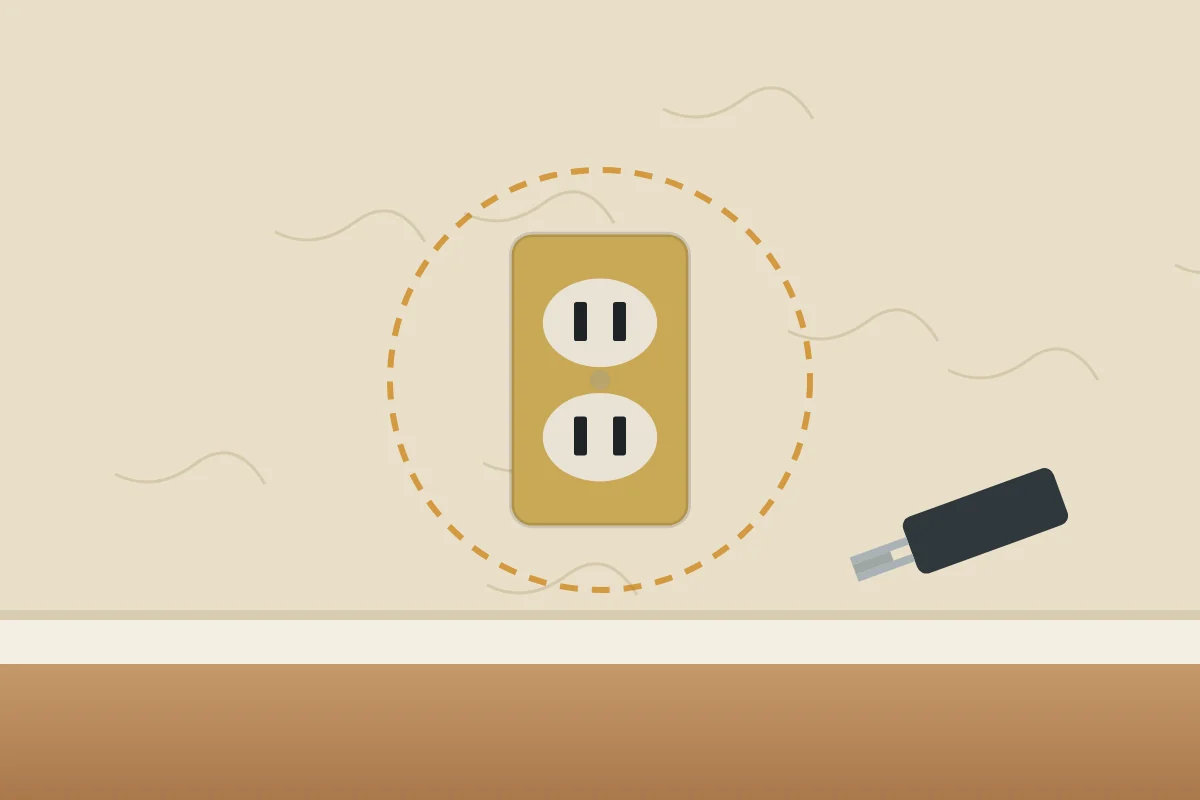
Illustration of an old two-prong outlet with a brass cover plate in a plaster wall
Illustration. People shown are not contractors listed on this site.

Safe checks you can make

  • Count two-prong outlets and note which rooms have them.
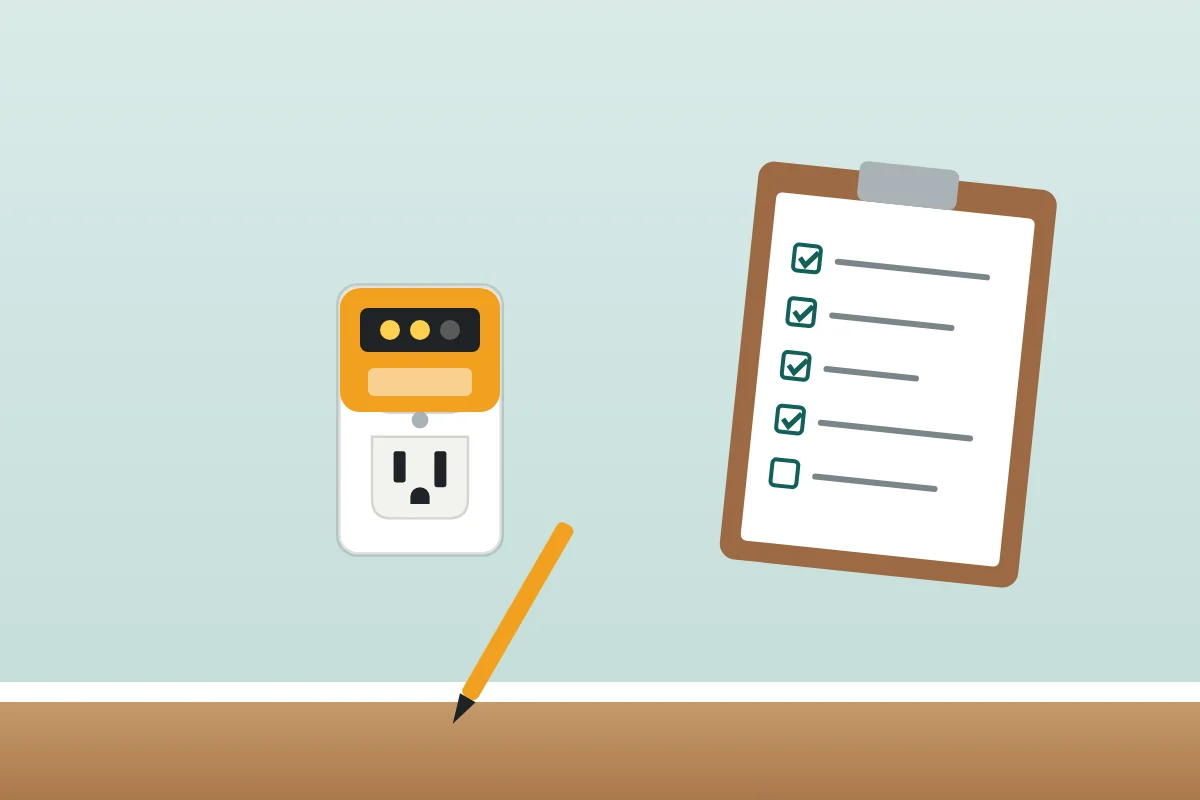
  • Use an inexpensive plug-in outlet tester on three-prong outlets to look for open ground warnings.
  • Note where you rely on adapters or surge strips.
  • Check whether bathrooms, kitchen and exterior outlets have GFCI protection.

What not to do

  • Don't replace a two-prong outlet with a three-prong outlet unless a ground is actually present or the outlet is GFCI protected and labeled as code allows.
  • Don't break the ground pin off a plug or rely on adapters long term.
  • Don't connect a ground terminal to the neutral (a bootleg ground).
  • Don't assume a surge protector works properly on an ungrounded outlet.

Can you sort this out yourself?

You can safely take inventory, test three-prong outlets with a plug-in tester, and stop using adapters for sensitive electronics. Replacing outlets yourself on old wiring is where problems start, because brittle insulation and missing grounds need a trained eye. GFCI protection is a legitimate option, but it should be installed and labeled correctly, which an electrician can handle.

When professional help is appropriate

  • You need grounded outlets for computers, appliances or medical equipment.
  • A tester shows open ground on three-prong outlets.
  • Outlets are loose, discolored or warm.
  • You're buying or selling and the inspection noted ungrounded outlets.
  • The home still has knob-and-tube wiring.

What an electrician typically checks

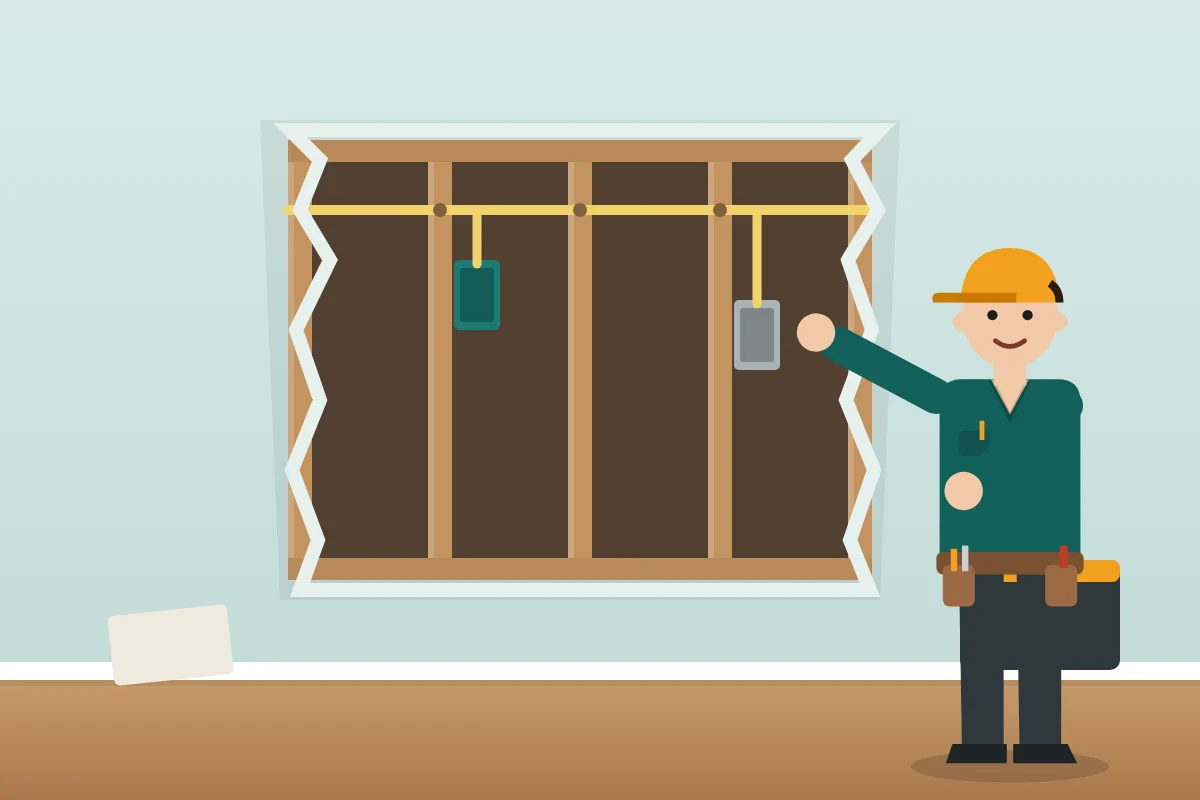
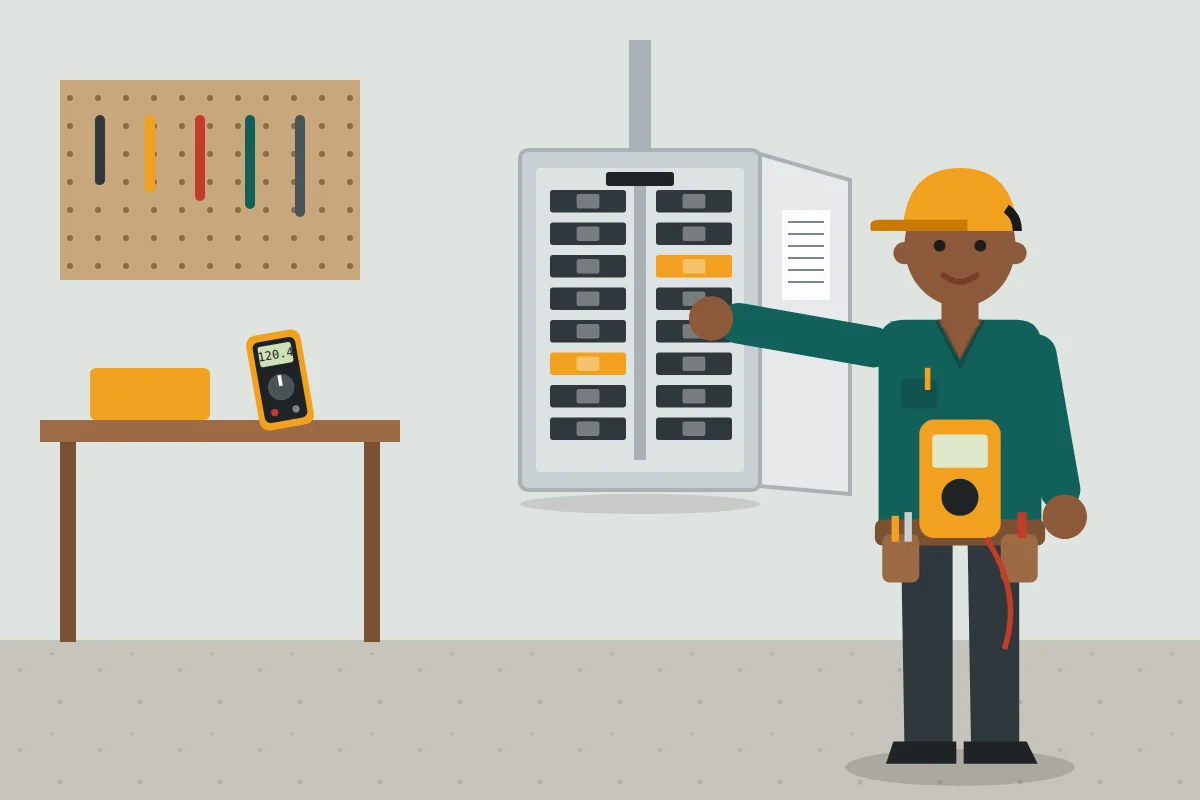
An electrician will check whether a ground path exists at each box, confirm the wiring type, and test for false grounds. They'll assess whether adding a ground wire, installing GFCI protection with the proper labels, or rewiring specific circuits makes the most sense.

For homes with many ungrounded circuits, older home electrical updates may be done in phases, starting with kitchens, bathrooms and rooms with electronics. The related page on wiring that has no ground explains grounding in more detail.

Keeping it from coming back

If you're buying an older Chattanooga home, ask about outlet grounding during inspection. The electrical checklist before buying an older home lists other items to look at.

Services

Services that usually resolve this

Wiring & Older Homes

Older Home Electrical Updates

Step-by-step fixes for two-prong outlets, ungrounded circuits, knob-and-tube and small panels without always rewiring the whole house.

Wiring & Older Homes

GFCI & AFCI Protection

Shock protection near water and arc-fault protection for living spaces, added or corrected by a local electrician in the Chattanooga area.

Wiring & Older Homes

Home Wiring

Room-by-room residential wiring: new circuits and outlets, extending wiring for projects, and repairing damaged runs.

Inspections, Code & Real Estate

Electrical Safety Upgrades

Practical protections like GFCI and AFCI coverage, hardwired alarms and grounding fixes, prioritized for the house you actually live in.

Service areas

Help with this problem across the region

Choose your community, or call and share your address.

See every service area →

FAQ

Old House Has Two-Prong Outlets: questions homeowners ask

Straight answers to the questions homeowners ask most about this topic.

Call Now

Not unless the box has a real ground, or the outlet is protected by a GFCI and labeled as code allows. Without one of those, a three-prong outlet only looks grounded and can mislead you about safety.

Existing two-prong outlets are generally allowed to remain, but replacements must meet current rules. If you're replacing them, the options are a grounded outlet, a GFCI-protected outlet with labeling, or another two-prong outlet.

Adapters bypass the ground and offer no real protection unless the adapter's tab connects to a proven ground. They are a short-term workaround at most, not a solution.

Not always. Some circuits can have ground wires added or GFCI protection installed. Whole-home rewiring makes more sense when wiring is in poor condition or still knob-and-tube.

Surge protectors and some electronics rely on a ground to send surge energy and faults away safely. On an ungrounded outlet, that protection is limited.

A plug-in tester shows common wiring issues, like open ground or reversed polarity, on three-prong outlets. It can't detect every problem, such as a bootleg ground, so treat it as a first check.

Call now

Not sure how serious it is?

Call and describe what you're seeing. You'll be connected with a local electrician who can advise on next steps.

Your call connects you with an independent local electrician who serves your area.