If the wiring throughout the house is aging or unsafe, that is a whole-home rewiring conversation. For most homeowners, though, a local electrician can solve the problem in one area and leave the rest of the house alone.
Typical Residential Wiring Jobs
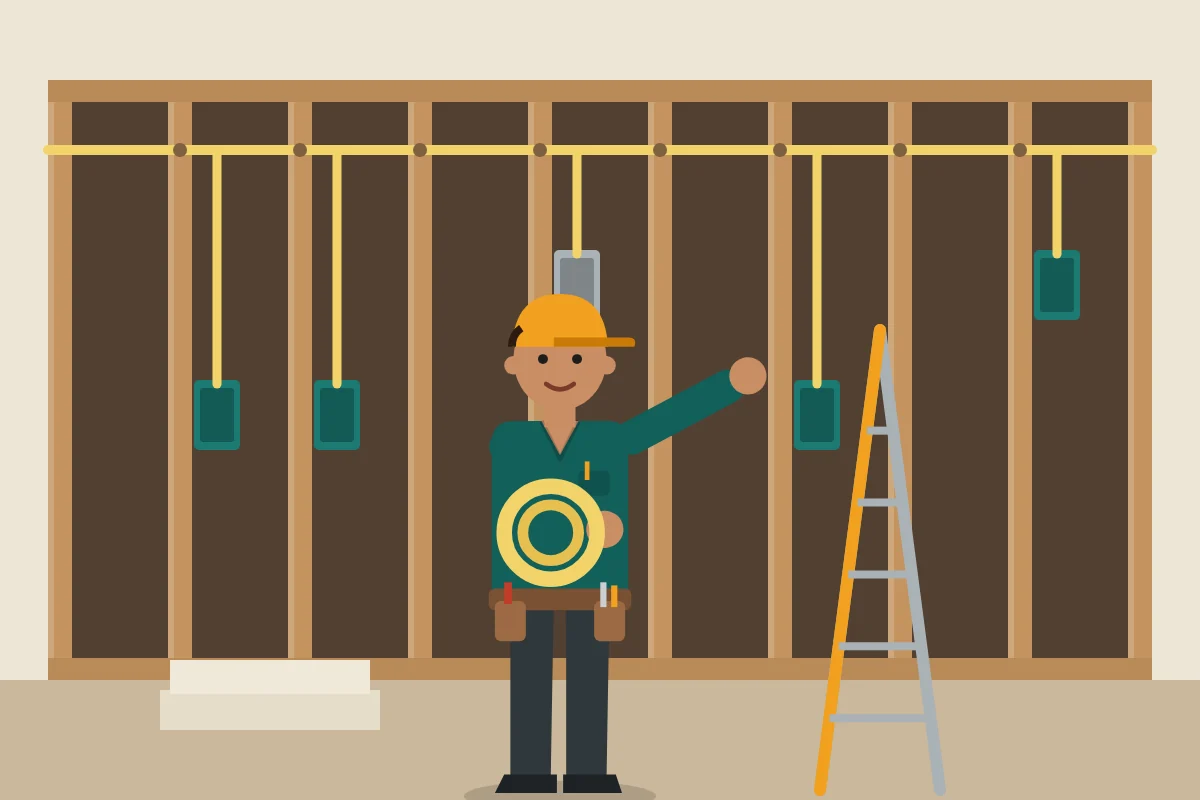
Common house wiring work includes adding outlets where cords are stretched across the floor, running a circuit for a new appliance, wiring a new light or switch location, extending power into a finished basement or attic, and replacing wire chewed by rodents or damaged during a renovation.
Good wiring work is mostly invisible. It means correctly sized wire, boxes that are secured and accessible, proper connections, GFCI and AFCI protection where required, and a permit when the job calls for one.
Everyday Reasons to Call About House Wiring
A home office or bedroom has only one or two outlets.
A remodel is moving walls, counters or lighting.
Squirrels or mice damaged wiring in the attic or crawl space.
A previous owner left do-it-yourself wiring that looks questionable.
A new appliance or window unit needs its own circuit.
Wiring Problems Worth Having Checked
- Outlets or switches that are warm, buzz or spark.
- Splices hanging in the attic or basement with no box.
- Lights that flicker on one circuit only.
- Extension cords running through doorways or under rugs.
- Outlets that work intermittently or have stopped working.
What Goes Into a Wiring Job
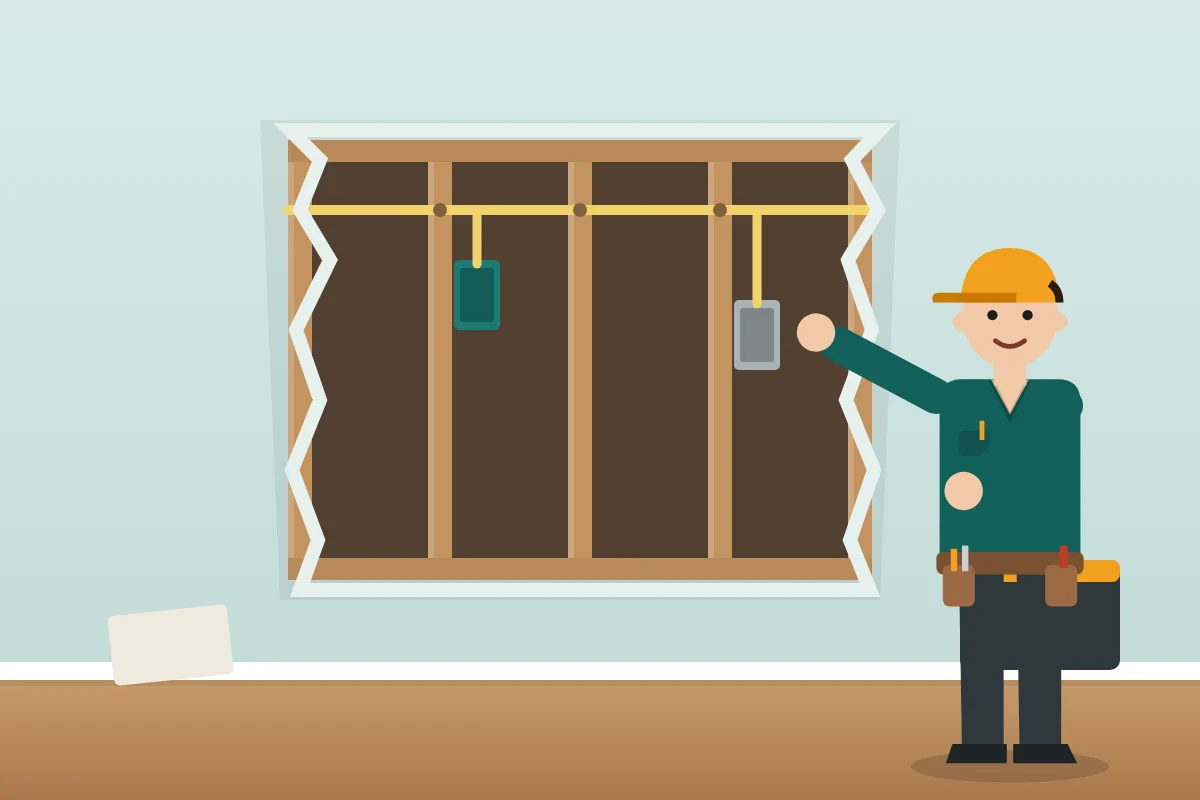
The electrician plans the route, confirms the circuit can carry the added load, and fishes new cable through walls or ceilings with as little drywall cutting as practical. Some patching is often needed, and most new circuits require a permit and inspection.
- Circuit capacity before adding outlets or fixtures
- Wire size and type for each run
- Box fill, mounting and accessibility
- Required GFCI and AFCI protection
- Connections at existing devices along the circuit
How it usually works
Call about the project
Call to be connected with an independent local electrician and describe the room and what you need powered.
Plan the route and load
The electrician checks circuit capacity and plans where wire will run with the least disruption.
Run and connect
New cable is installed, devices are connected, and protection is added where required.
Test and inspect
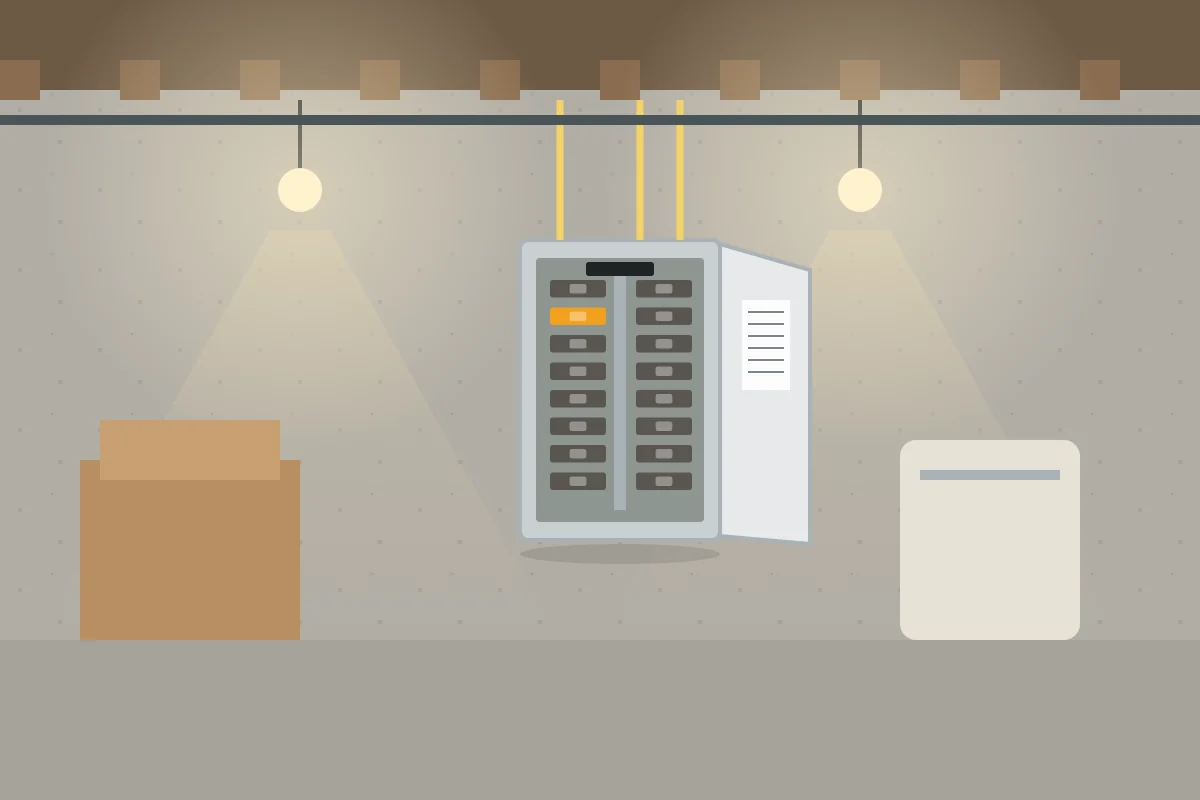
Circuits are tested, the panel directory is updated, and any required inspection is completed.
For homes around Chattanooga
Chattanooga has a mix of older plaster-wall homes, mid-century ranches and newer suburban builds, and each takes wiring differently. Fishing wire through plaster in an older North Shore home is slower than working in an open attic over a newer ranch. For more planning ideas, see how many outlets a room should have.