What you may be noticing
- Only one or two outlets serve the whole garage, often on the same circuit as the door opener.
- The breaker trips when a shop vac, saw or compressor starts.
- A freezer or second refrigerator shares an outlet with tools and loses power when a GFCI trips.
- Extension cords run across the floor to reach the workbench.
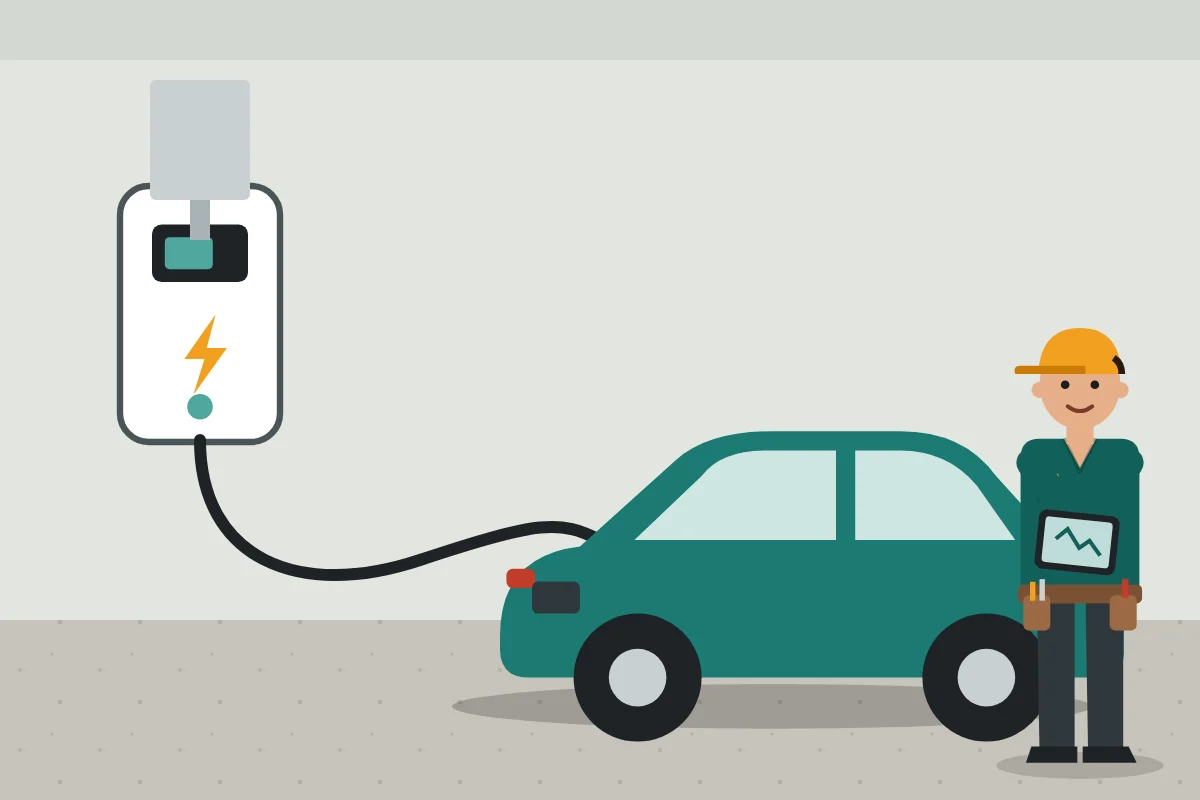
- You'd like 240-volt power for a welder, large compressor or EV charger.
Common possible causes
Original builder wiring
Many homes in Chattanooga-area suburbs were built with minimal garage wiring: a ceiling light, the door opener and one or two outlets.
Growing use of the space
Garages now hold freezers, workshops, gym equipment and sometimes a home office corner. Each adds load to circuits that weren't sized for it.
Tools with high startup current
Saws, compressors and shop vacs draw a burst of current at startup. On a shared circuit, that's enough to trip the breaker.
GFCI protection with appliances
Garage outlets need GFCI protection. A freezer on a shared GFCI loses power any time a tool or moisture trips it, which can go unnoticed for days.
Safe checks you can make
- List everything you'd like to run in the garage and which items run at the same time.
- Find out which breaker feeds the garage and what else is on it, such as an outside outlet or a bedroom wall.
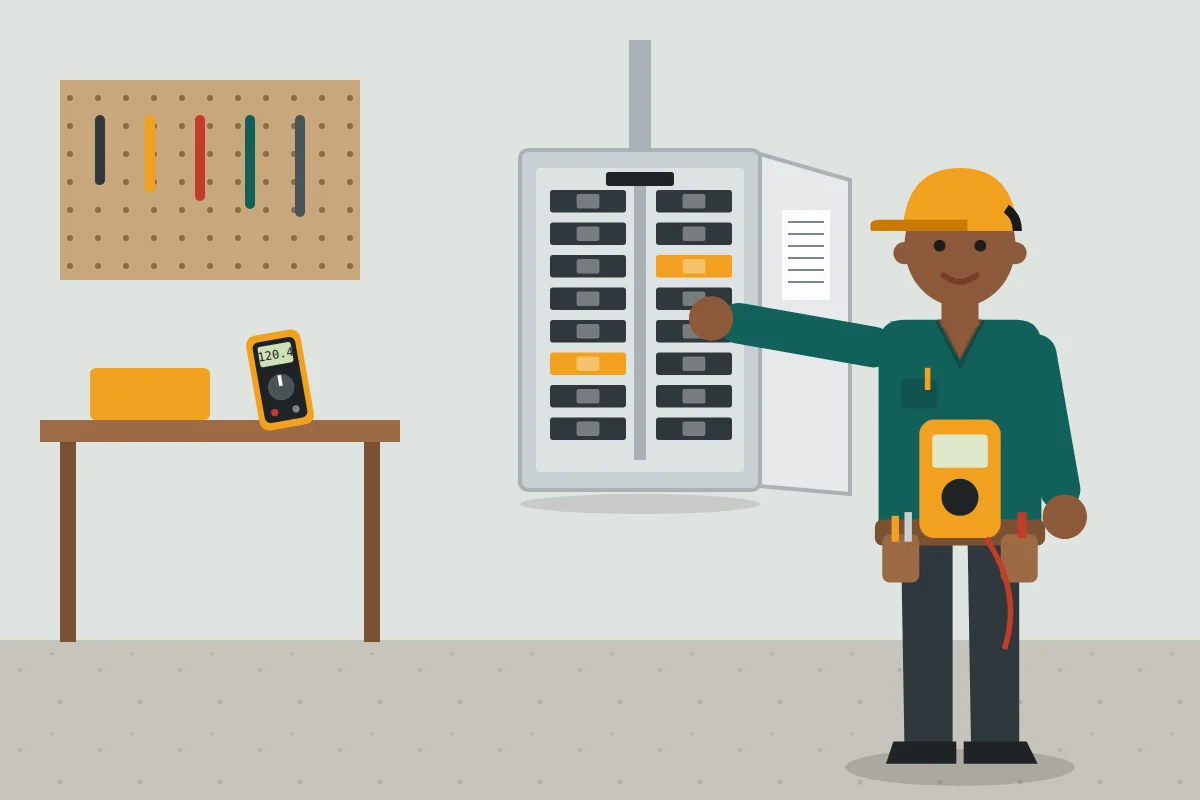
- Check for open spaces in the panel by looking, not by removing covers.
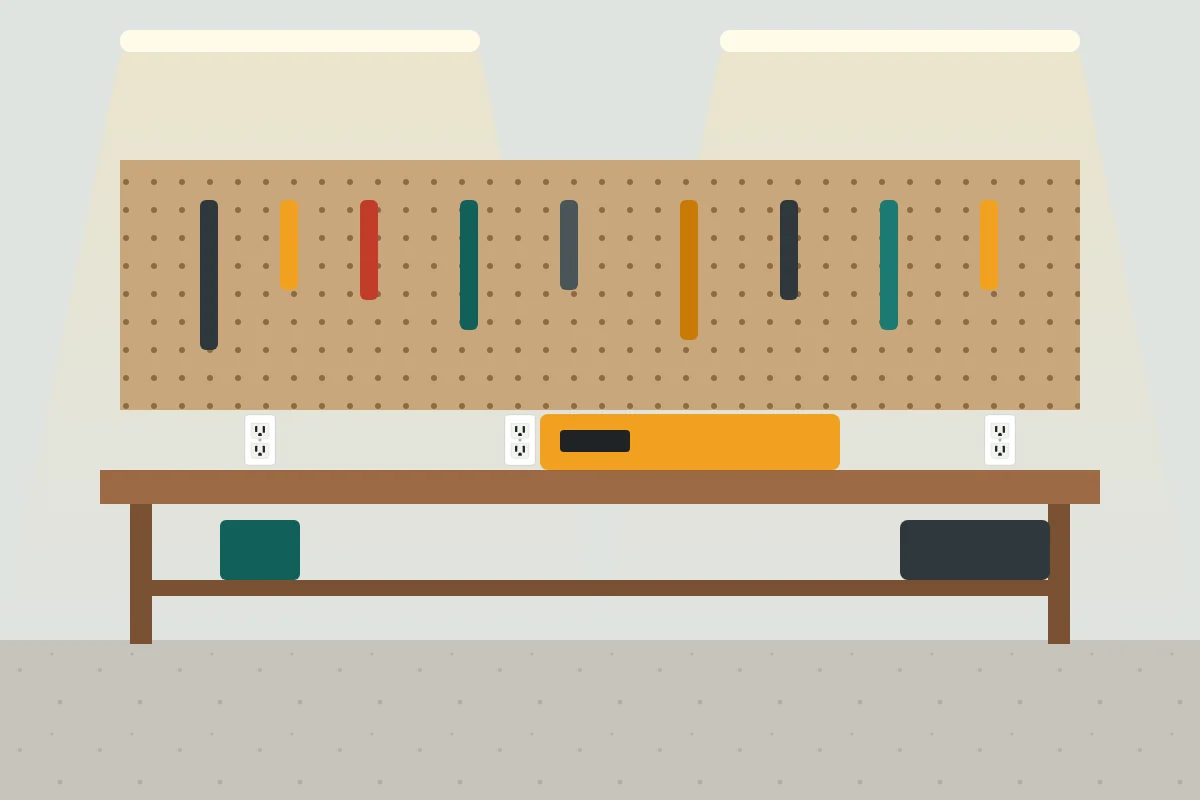
- Note where outlets would be most useful: along the workbench, near the freezer, by the door, at the ceiling for a door opener or retractable cord reel.
What not to do
- Don't run tools off a long chain of extension cords.
- Don't plug a freezer into a GFCI shared with power tools without a plan for knowing when it trips.
- Don't add outlets by tapping into the door opener or a lighting circuit.
- Don't install a larger breaker on the existing garage circuit to stop trips.
Can you sort this out yourself?
Spreading tools out so only one big one runs at a time, and moving the freezer to its own outlet if one exists, can reduce trips. A properly rated, heavy-gauge extension cord used for a single tool is fine for occasional work. Adding outlets, circuits or a subpanel involves the panel and new wiring, and that should be handled by an electrician with a permit where required.
When professional help is appropriate
- Breakers trip regularly during normal garage use.
- You're planning a woodshop, compressor, welder or EV charger.
- Outlets in the garage feel warm or are loose and worn.
- The garage outlets aren't GFCI protected.
- The panel has little or no space for new circuits.
What an electrician typically checks
An electrician will look at what you'd like to run, check panel space and capacity, and recommend a layout. For many homes, one or two new 20-amp circuits with outlets along the walls and the workbench solve most problems. Heavier shops may call for a 240-volt circuit or a garage subpanel, especially if an EV charger is part of the plan.
They'll also make sure GFCI protection is in place, keep a freezer from being stranded on a shared device, and often add better lighting at the same time. See garage electrical and the garage workshop planning guide for more ideas.
Keeping it from coming back
Plan for the garage you'll have in a few years, not the one you have today. Adding an extra circuit or a subpanel now is easier than reworking things later, especially if an EV is in your future.