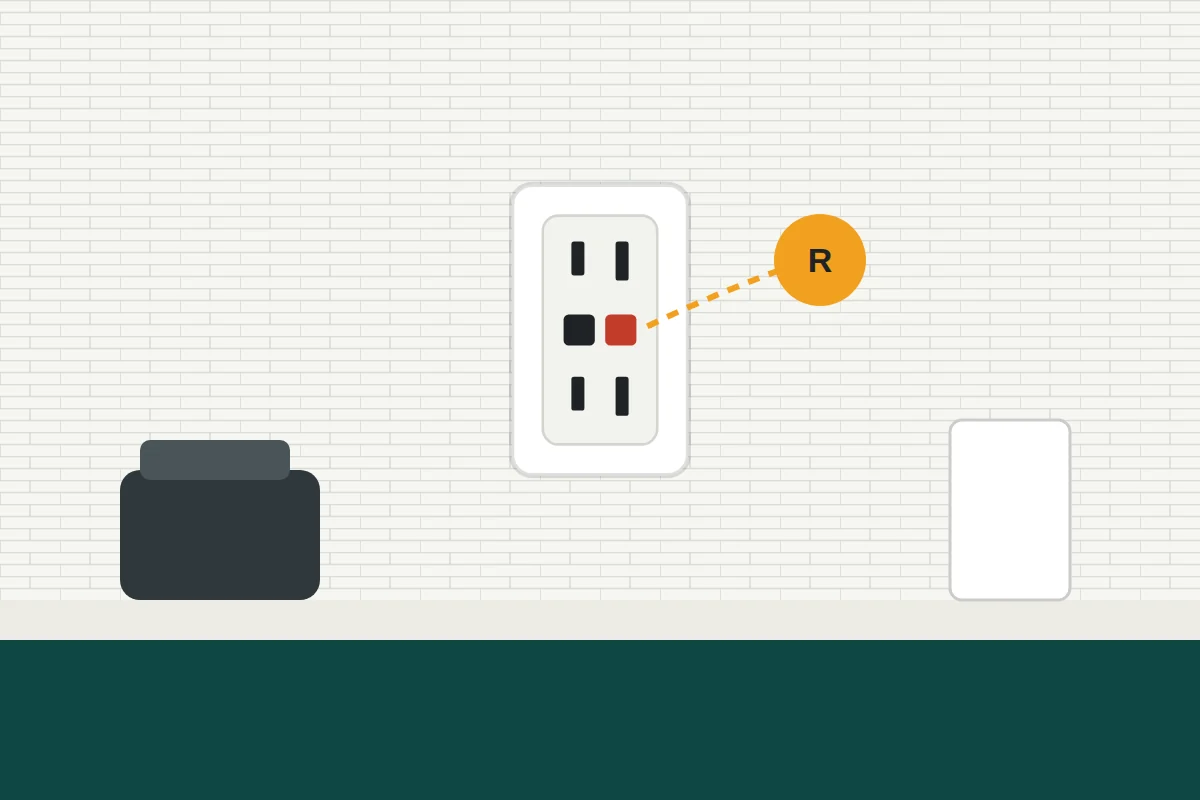

The goal is a garage where you can plug in what you need without extension cords or tripped breakers, see clearly while you work and stay protected from shock on a concrete floor.
Typical Garage Wiring Improvements
Most garage projects add receptacles along the walls at bench height, upgrade overhead lighting, and split the load across more than one circuit. Current code calls for GFCI protection on garage receptacles because concrete floors and damp conditions increase shock risk. A freezer or refrigerator may need its own circuit so a trip elsewhere does not spoil food.
Garages are also where many homeowners plan for an EV. Even if you do not own one yet, roughing in capacity or a conduit run during a garage update makes EV charger installation simpler later. If the space is becoming a full shop with heavy machines, a subpanel may make sense.
Reasons to Upgrade Garage Power
You keep running extension cords from one outlet to the workbench.
A second fridge or chest freezer moved into the garage.
The lighting is too dim for working on projects or cars.
You want an outlet for a ceiling storage lift, air compressor or vacuum.
The garage is being finished or converted into a hobby space.
Signs Your Garage Wiring Is Outdated
- The breaker trips when a tool and the door opener run together.
- Receptacles are not GFCI protected.
- Outlets are loose, cracked or missing cover plates.
- Power tools bog down or lights dim when they start.
- There are open junction boxes or exposed cable along the walls.
What a Garage Project May Include
An electrician usually starts with what is already there: which circuits feed the garage, whether they are shared with the house and how much panel capacity remains. From there the plan covers outlet spacing, lighting and any dedicated circuits.
- Existing garage circuits and what else they feed
- GFCI protection for garage receptacles
- Outlet placement along benches and walls
- Lighting layout and switch locations
- Dedicated circuits for freezers, compressors or chargers
- Protection of exposed cable from physical damage
How it usually works
Call about your garage plans
Describe how you use the garage now and what you want to add. The call connects you with an independent local electrician.
Walkthrough and load check
The electrician checks existing circuits, panel capacity and where new outlets and lights should go.
Wiring and installation
Circuits, GFCI protection, receptacles and lighting are installed, with cable protected where exposed.
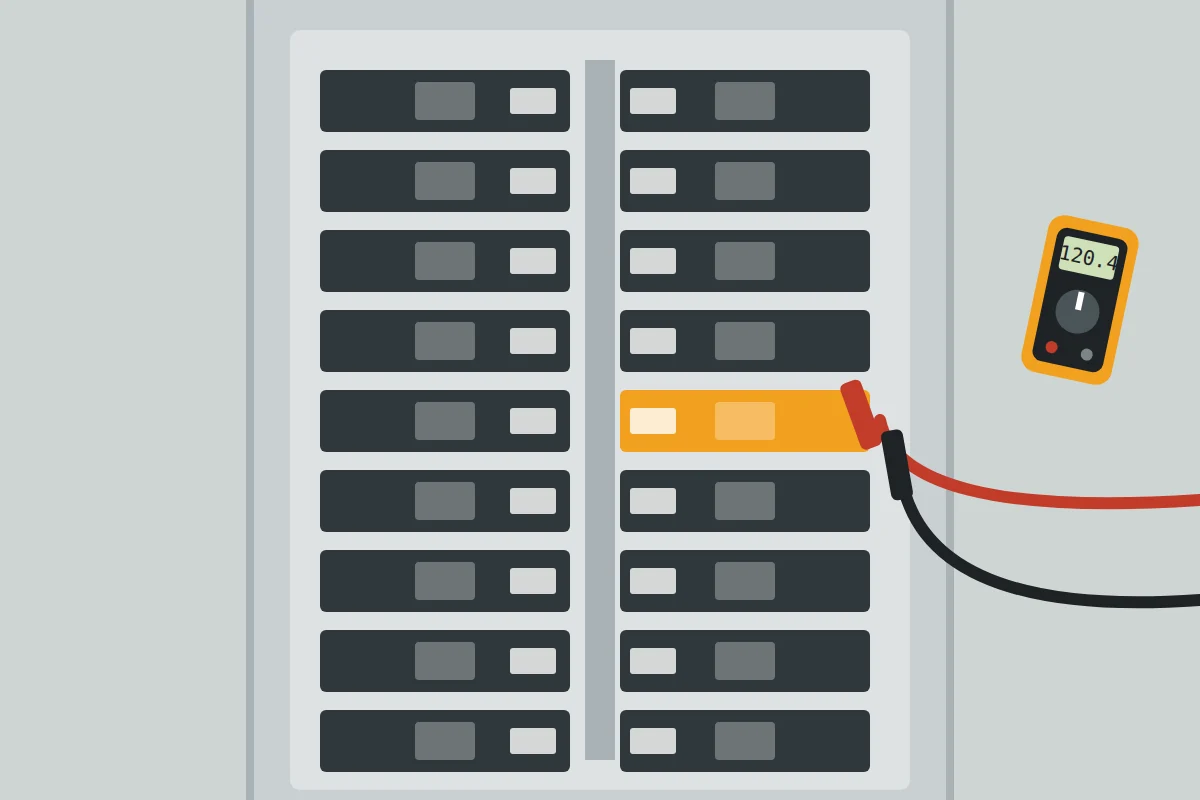
Testing and cleanup
Every outlet and GFCI is tested and circuits are labeled at the panel.
For homes around Chattanooga
Chattanooga's hot, humid summers push garage temperatures up, which makes freezers and refrigerators work harder and strain shared circuits. Many mid-century ranches around the area have single-car garages wired lightly, while newer suburban homes often have larger garages that still need more outlets. The not enough garage outlets page covers that common situation.