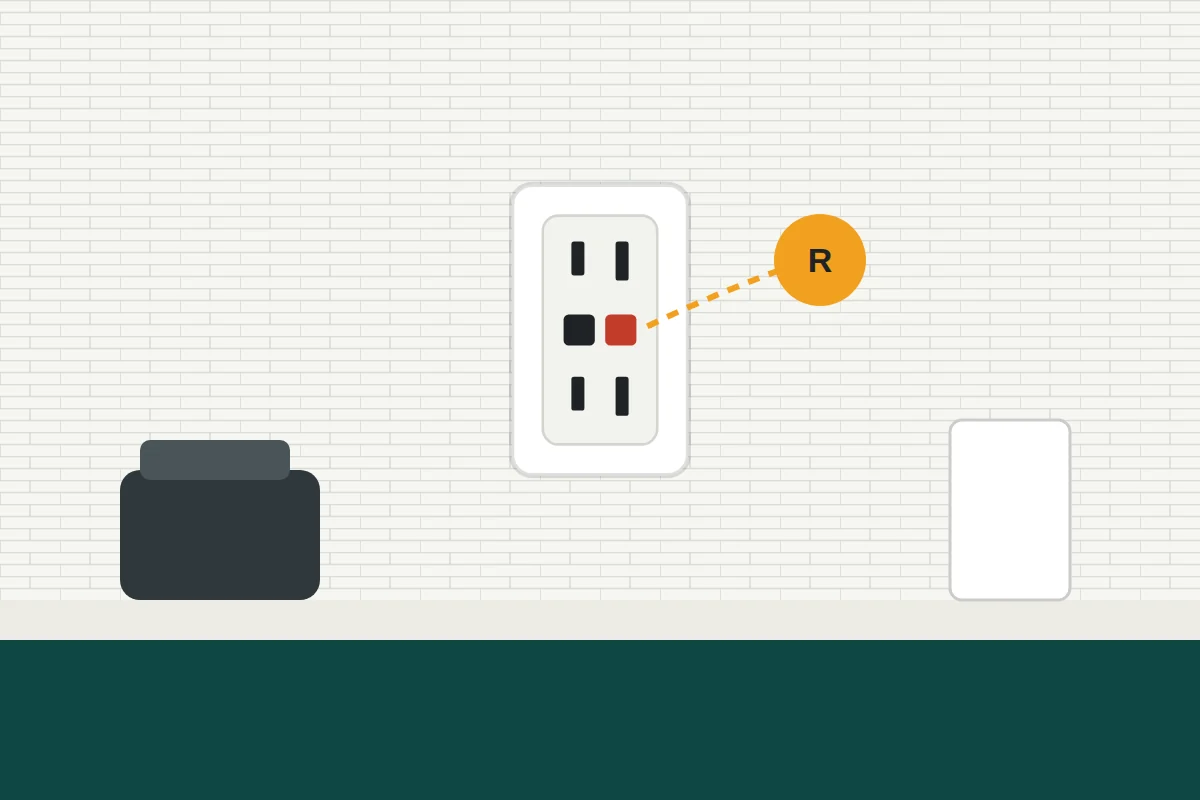

Many houses have only one or two exterior outlets, often in awkward spots and sometimes without proper protection. Adding well-placed, GFCI-protected receptacles with covers that stay sealed in the rain makes the yard far more usable and much safer.
Receptacles, Transformers and Seasonal Circuits
Outdoor receptacles need GFCI protection and an in-use cover, sometimes called a bubble cover, that keeps water out even while something is plugged in. Placement matters: near the patio, at the front for decorations, by the garden bed or deck, and anywhere you currently stretch a cord.
Low-voltage landscape lighting runs from a transformer that plugs into or is wired to an outdoor receptacle. Holiday lighting is often the biggest outdoor load of the year, and many homeowners add a dedicated circuit, sometimes switched from inside, so decorations do not trip the porch or garage circuit. For fixed lighting fixtures, see outdoor lighting installation.
Where Homeowners Want More Outdoor Power
The only outdoor outlet is on the wrong side of the house.
Holiday lights trip a breaker every December.
You are adding landscape lighting and need a spot for the transformer.
A new patio, deck or outdoor kitchen needs outlets.
A fountain, pond pump or yard tool needs a dedicated receptacle.
Signs the Outdoor Wiring Needs Work
- Exterior outlets trip the GFCI every time it rains.
- Covers are cracked, missing or only close when nothing is plugged in.
- Outlets are loose in the siding or pulling away from the wall.
- Extension cords run across the lawn for weeks at a time.
- A landscape transformer is plugged into an indoor outlet through a window.
What an Outdoor Circuit Project Covers
The electrician considers where power is needed, how to get there (through the wall, under the deck or underground), how much load seasonal lighting adds, and which exterior boxes and covers suit the exposure.
- GFCI protection on every exterior receptacle
- In-use covers and weather-rated boxes
- Circuit load from holiday lights and pumps
- Mounting and sealing at siding or brick
- Underground or deck routing for distant outlets
- Switch control for seasonal lighting circuits
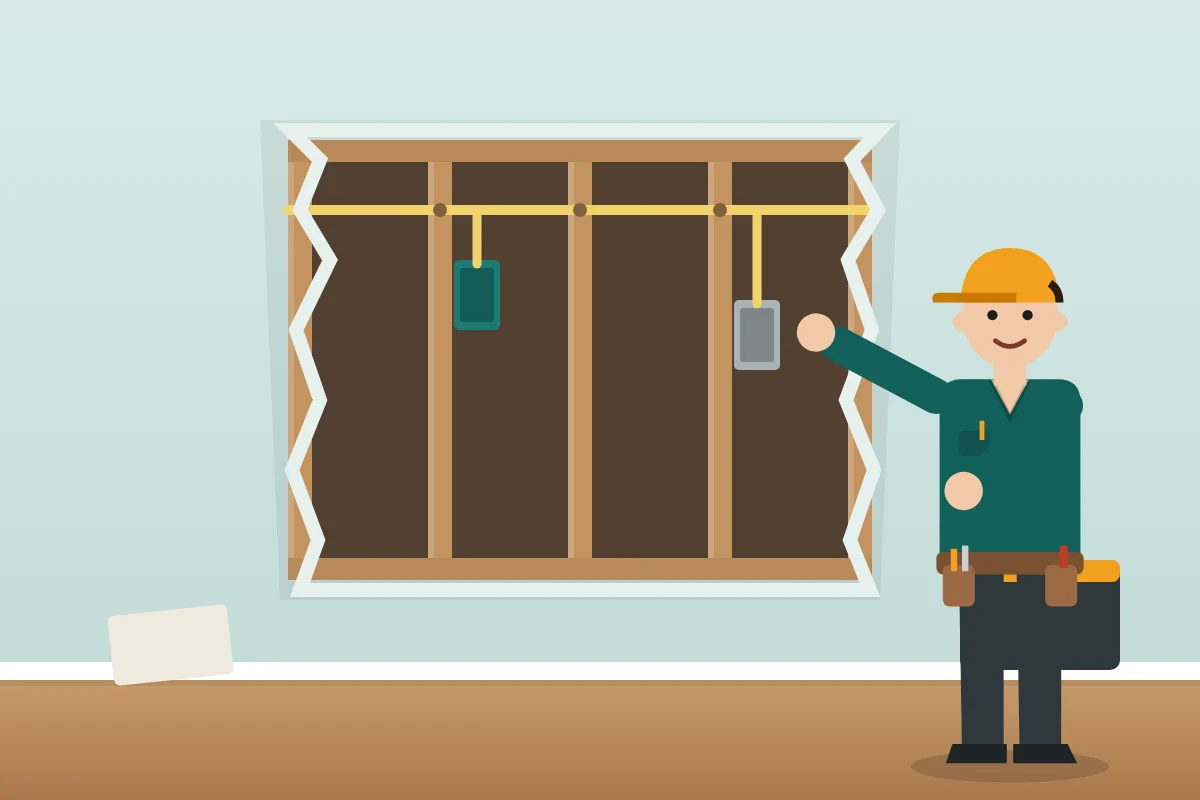
How it usually works
Call about your yard plans
Describe where you want power outside and what you plan to plug in. The call connects you with an independent local electrician.
Site and load planning
The electrician checks existing circuits, picks receptacle locations and plans the route.
Installation
GFCI protection, weather-rated boxes, in-use covers and any new circuits are installed and sealed.
Testing
Each outdoor receptacle and GFCI is tested, and switched circuits are confirmed.
For homes around Chattanooga
Chattanooga's spring and fall storms bring heavy, wind-driven rain, so exterior outlets with weak covers often cause GFCI trips in wet weather. Many homes on hillside lots have decks and patios well away from the nearest outlet. Hot, humid summers mean more fans, pumps and outdoor gatherings that need power.