What you may be noticing
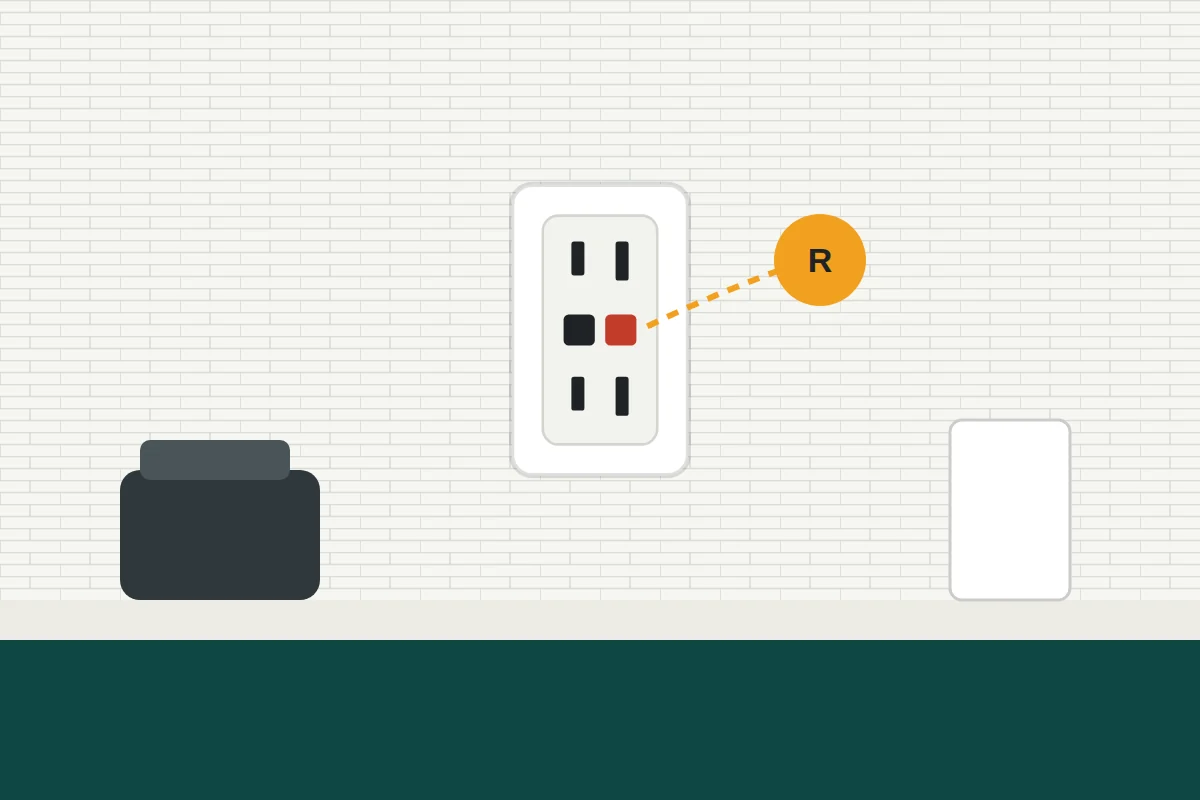
- The GFCI in a bathroom, garage or on the porch trips during a storm or right after one, then resets fine a day later.
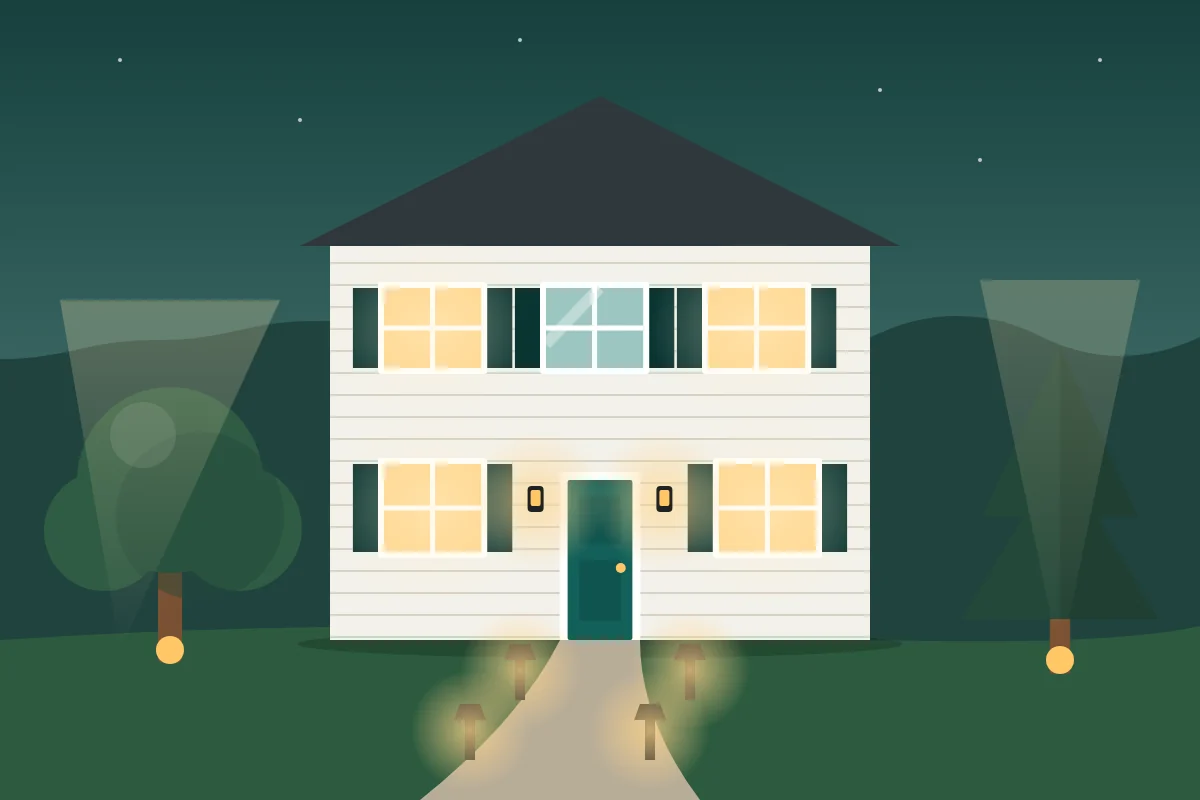
- Outdoor outlets, porch lights or landscape lights go dead whenever it rains hard.
- The trip happens even with nothing plugged in outside.
Common possible causes
Water inside an outdoor outlet box
Flat, flip-up covers only keep rain out when nothing is plugged in. Wind-driven rain, a cracked cover or a missing gasket lets water pool around the receptacle terminals.
No in-use (bubble) cover on an outlet that stays in use
Outlets that power decorations, fountains or pumps for long stretches need a covered housing that closes over the plug. Without one, the plug face gets wet every storm.
Damaged or aging exterior cable
Cable run along siding, under decks or through landscaping can crack from sun, string trimmers or animals. Rainwater wicks into the damage and creates a small leak to ground.
Landscape or outdoor lighting connections
Low-voltage transformers plugged into a GFCI, splices buried in mulch and fixtures with failed seals are common sources of rain-related trips.
Something downstream you didn't know about
One GFCI often protects several outlets, sometimes including an outdoor one on the far side of the house or in the garage. The wet spot may not be near the device that trips.
Safe checks you can make
- Unplug everything from outdoor outlets, let things dry, and press reset once. If it holds in dry weather and trips again in rain, that points to a wet box, fixture or cable rather than a plugged-in item.
- From a safe distance, look at outdoor covers. Are any cracked, missing, or the flat style on an outlet that always has a cord plugged in?
- Note which outlets and lights go dead when the GFCI trips. That shows what the device protects.
What not to do
- Don't replace the GFCI with a standard outlet to stop the tripping. That removes the protection that keeps a wet outlet from becoming a shock hazard.
- Don't open outdoor boxes, pull fixtures or dig up buried cable while it's wet or while the circuit could be live.
- Don't keep resetting it during a storm. Let things dry first.
Can you sort this out yourself?
Sometimes this is something you can handle. If the trips stop once you unplug a holiday light string, an old pump or a landscape transformer, replacing or relocating that item may solve it. Swapping a flat cover for an in-use cover is simple hardware, but if the box behind it is loose, rusted or full of water, the box itself needs attention. If the GFCI trips in rain with nothing plugged in, the problem is in the wiring, box or a fixture, and that is work for an electrician.
When professional help is appropriate
- Trips continue with every outdoor load unplugged.
- You see rust, water stains or mineral deposits around an outdoor outlet or fixture.
- Exterior cable is cracked, chewed or exposed along the siding or under a deck.
- The house has outdoor outlets that aren't GFCI protected.
What an electrician typically checks
An electrician will trace what the tripping GFCI protects, open and dry the boxes and fixtures on that circuit, and test the wiring for insulation breakdown.
Fixes can include replacing corroded receptacles with weather-resistant ones, installing in-use covers and properly sealed boxes, replacing damaged exterior cable, and rebuilding landscape lighting splices. See outdoor power and landscape circuits and GFCI and AFCI protection for more.
Keeping it from coming back
Use in-use covers on any outlet that powers something for long stretches, keep cord connections up off the ground, and walk around the house once a year looking for cracked covers, loose fixtures and damaged cable. In Chattanooga, heavy spring and fall storms tend to find weak spots quickly, so a quick check before storm season is time well spent.