What you may be noticing
- The breaker trips as soon as the bathroom light switch is turned on.
- The light works until the shower has been running a while, then everything goes dark.
- Turning on the exhaust fan together with the light trips the circuit.
- Lights and outlets in the bathroom go out when someone uses a hair dryer or space heater.
Common possible causes
Moisture in the fixture or fan housing
Steam from long showers condenses inside light fixtures and fan housings, especially when the fan doesn't vent outside properly. Water near the sockets or terminals can cause ground faults or shorts.
Failing fan motor in a fan/light combo
Exhaust fan motors wear out. A seized or shorted motor can draw too much current or fault to ground, and since it shares the switch or circuit with the light, it looks like the light is the problem.
Shared circuit with high-draw outlets
Hair dryers, curling irons and portable heaters pull a lot of current. When bathroom lights share a circuit with those outlets, the combined load can trip the breaker.
GFCI or AFCI interaction
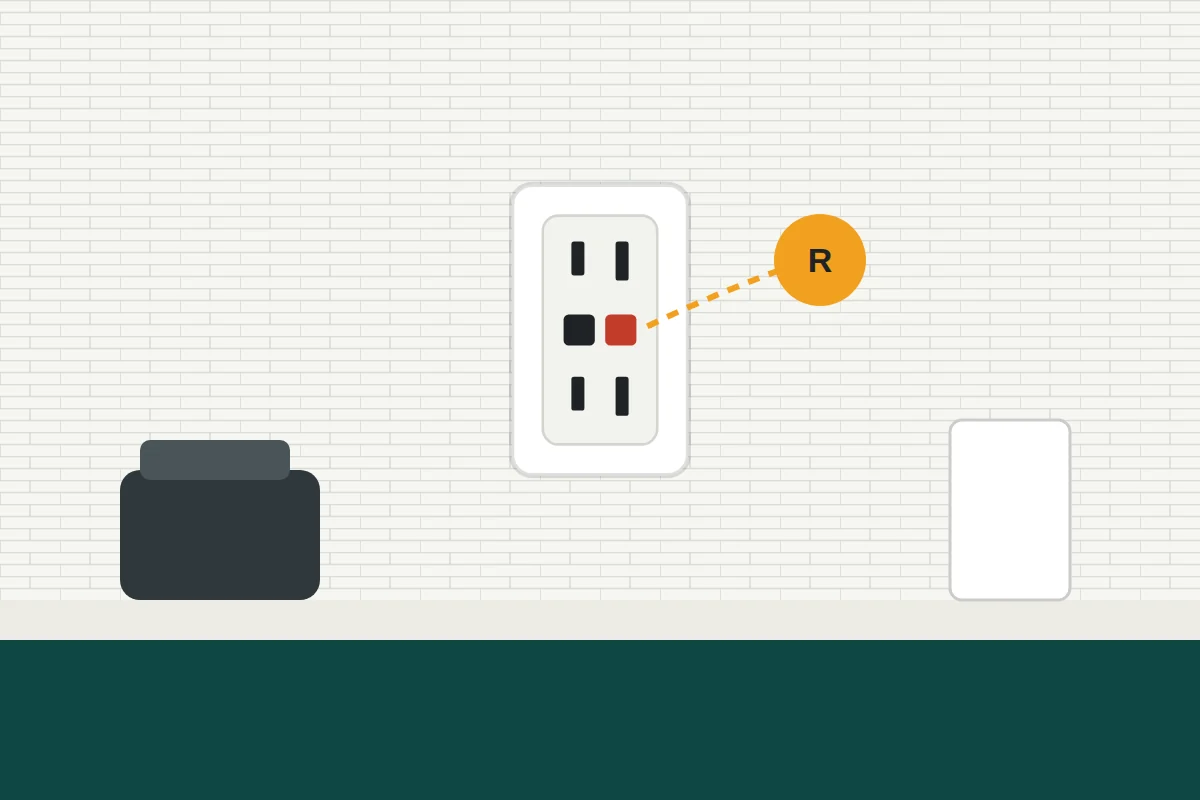
Some bathroom lighting circuits run through a GFCI or AFCI device. Fan motors and some LED drivers can trigger these when they are failing, and moisture makes GFCI trips more likely.
Loose or damaged wiring at the fixture
Connections in the ceiling box can loosen over time, and wires can get pinched when a fixture is replaced. A short at the switch or fixture trips the breaker immediately.

Safe checks you can make
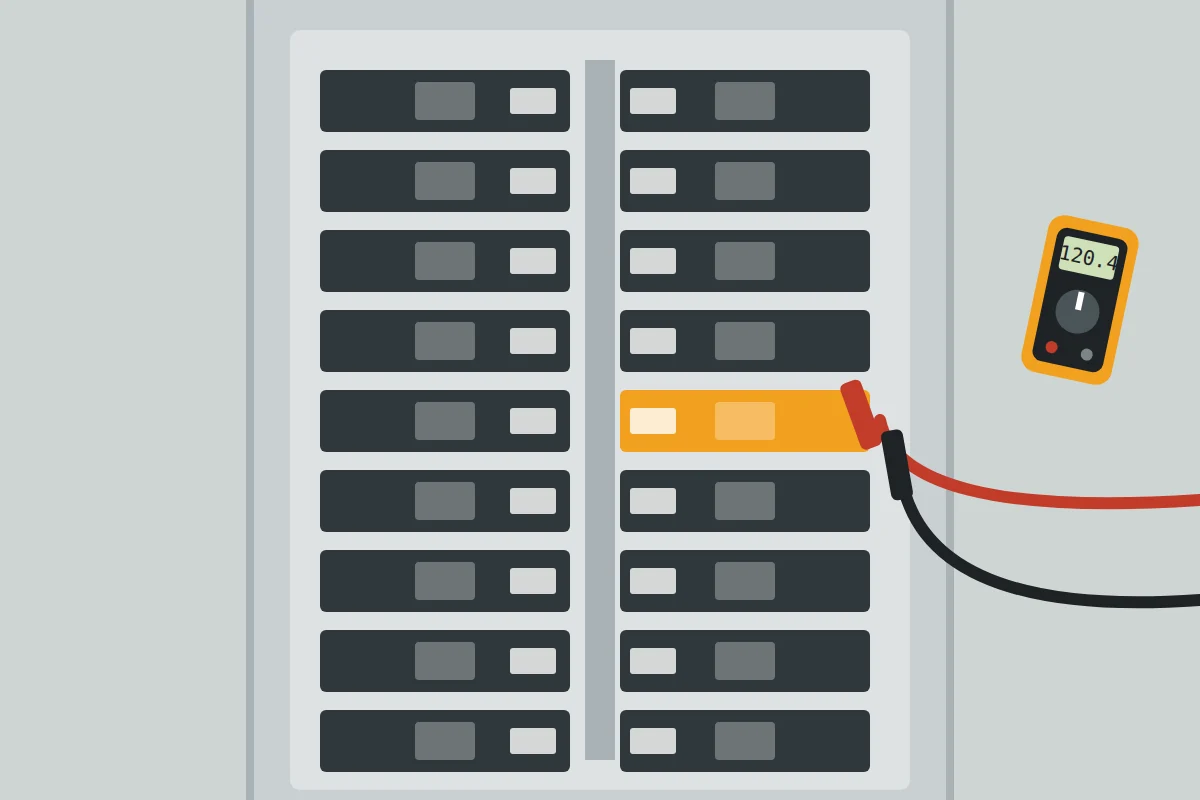
- Note which device trips: a breaker in the panel, a GFCI outlet in the bathroom or another room, or an AFCI breaker with a test button.
- Try the light with the fan switch off, and the fan with the light off, to see which one causes the trip.
- Check whether trips line up with showers, hair dryer use or a space heater.
- Reset the breaker or GFCI once. If it trips again right away with nothing else running, stop and leave it off.
What not to do
- Don't keep resetting a breaker that trips the instant the switch is turned on.
- Don't remove the fixture or fan cover to look at wiring while the circuit could be live.
- Don't swap the breaker for a larger one so it stops tripping.
Can you sort this out yourself?
If the trips only happen when a hair dryer and heater run together, spreading those loads out (one at a time, or using an outlet on another circuit) may be all you need for now, though it's a sign the bathroom wiring is undersized for how the room is used. Letting the room air out and running the fan after showers can reduce moisture-related trips. Beyond that, replacing a fan motor, a fixture or anything in the ceiling box involves live wiring and should be left to an electrician, especially in a wet room.
When professional help is appropriate
- The breaker trips immediately when the switch is flipped.
- You smell a hot or burning odor from the fan or fixture.
- The exhaust fan hums, grinds or runs slowly before the trip.
- Water drips from the fixture or the ceiling around it.
- The bathroom has no GFCI protection on its outlets.
What an electrician typically checks
An electrician will start by identifying which protective device trips and why, then test the fan motor, the fixture and the wiring in the ceiling box. If moisture is the issue, they'll look at whether the fan actually vents outside and whether the fixture is rated for a damp or wet location over a tub or shower.
Common repairs include replacing a failing fan/light combo, installing a properly rated fixture, tightening or rebuilding connections, and in some homes adding a separate circuit so bathroom outlets and lighting aren't fighting over the same breaker. In older Chattanooga homes, bathroom electrical work during a remodel is a good time to correct that. For a broader look at outlet protection, see GFCI vs AFCI.
Keeping it from coming back
Run the exhaust fan during showers and for a while after, and make sure it vents to the outside, not just into the attic. If a hair dryer or heater regularly trips the bathroom circuit, talk with an electrician about separating lighting from outlets.