What you may be noticing
- The breaker trips when the microwave and another countertop appliance run together.
- A new appliance's manual calls for a dedicated circuit and the outlet behind it powers other things too.
- Lights dim or flicker when the dishwasher heats or the refrigerator compressor starts.
- You're replacing a gas range or cooktop with an electric or induction model.
- An appliance is plugged into an extension cord or power strip because there's no outlet where it sits.
Common possible causes
Appliances added after the kitchen was wired
Many older kitchens were wired before built-in microwaves, dishwashers and second refrigerators were common. New appliances get plugged into whatever outlet is nearby, often one that already carries other loads.
Shared countertop circuits
Countertop outlets often share a circuit. Two high-wattage appliances on the same one, like an air fryer and an electric kettle, can push it past its limit.
Switching to electric cooking
Electric ranges, wall ovens and induction cooktops need a large, dedicated 240-volt circuit. A gas-to-electric switch almost always means new wiring and sometimes a check of panel capacity.
Manufacturer requirements
Installation instructions spell out circuit size and whether the appliance needs its own circuit. Ignoring them can lead to nuisance trips and may affect how the appliance performs.
Remodel layout changes
Moving an island, adding a pantry appliance or relocating the range changes where power is needed, and the existing circuits may not reach or may not be sized for it.

Safe checks you can make
- Read the appliance installation guide for its circuit size and dedicated circuit requirement.
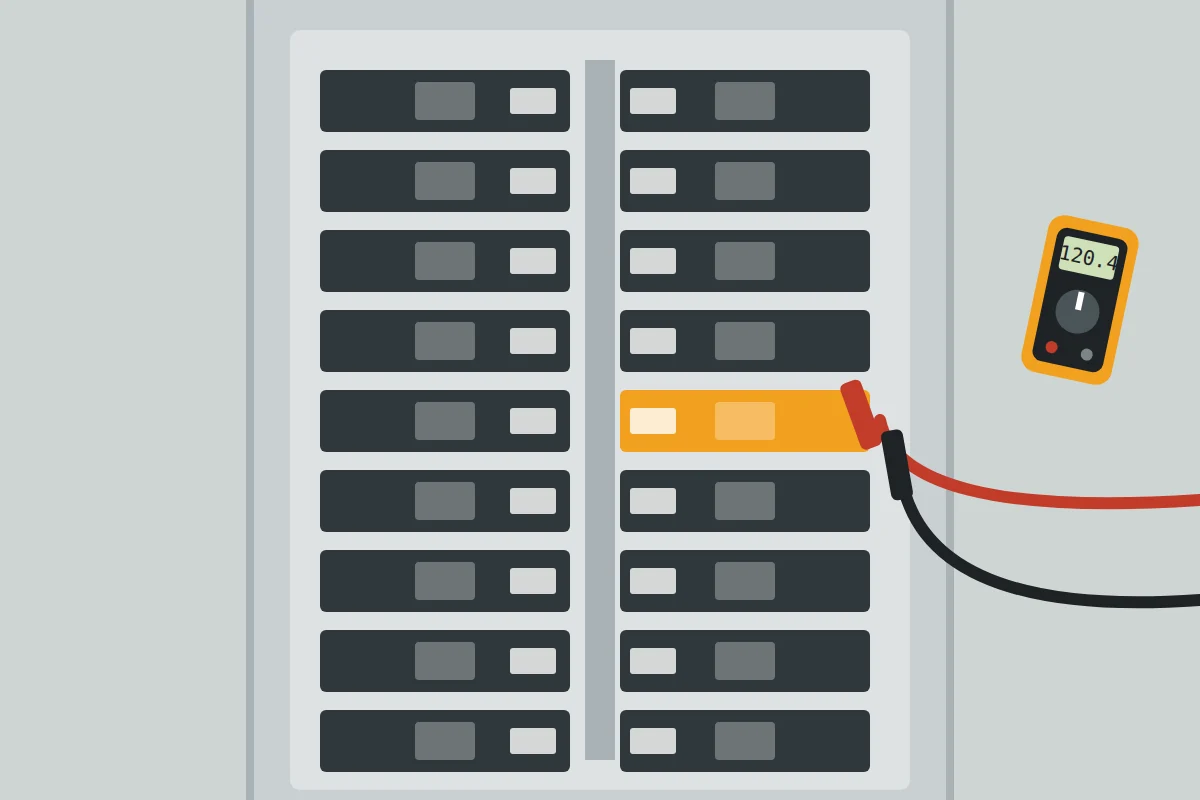
- Turn off one kitchen breaker at a time and note what goes dead, so you know which outlets and appliances share circuits.
- Keep track of which combinations of appliances trip the breaker.
- Check whether the panel has open breaker spaces. Just look; don't remove the cover.
What not to do
- Don't run a refrigerator, microwave or dishwasher from an extension cord or power strip.
- Don't replace a tripping 15- or 20-amp breaker with a larger one. The wire size sets the breaker size.
- Don't plug a new electric range into an old dryer-style outlet or adapter to make it fit.
- Don't cut into walls to run new wire yourself while the kitchen circuits are energized.
Can you sort this out yourself?
For a short stretch, you can manage nuisance trips by not running two high-draw appliances on the same circuit at once, and by moving a countertop appliance to an outlet on a different circuit. That buys time but doesn't solve the problem. Actually adding a dedicated circuit means running new cable from the panel, installing a breaker and often a new outlet, and in many jurisdictions it needs a permit. That is electrician work.
When professional help is appropriate
- Breakers trip regularly during normal cooking.
- An appliance's instructions require a circuit you don't have.
- You're planning a remodel or switching to electric or induction cooking.
- The outlet behind an appliance is warm, discolored or loose.
- The panel is full or already crowded with tandem breakers.
What an electrician typically checks
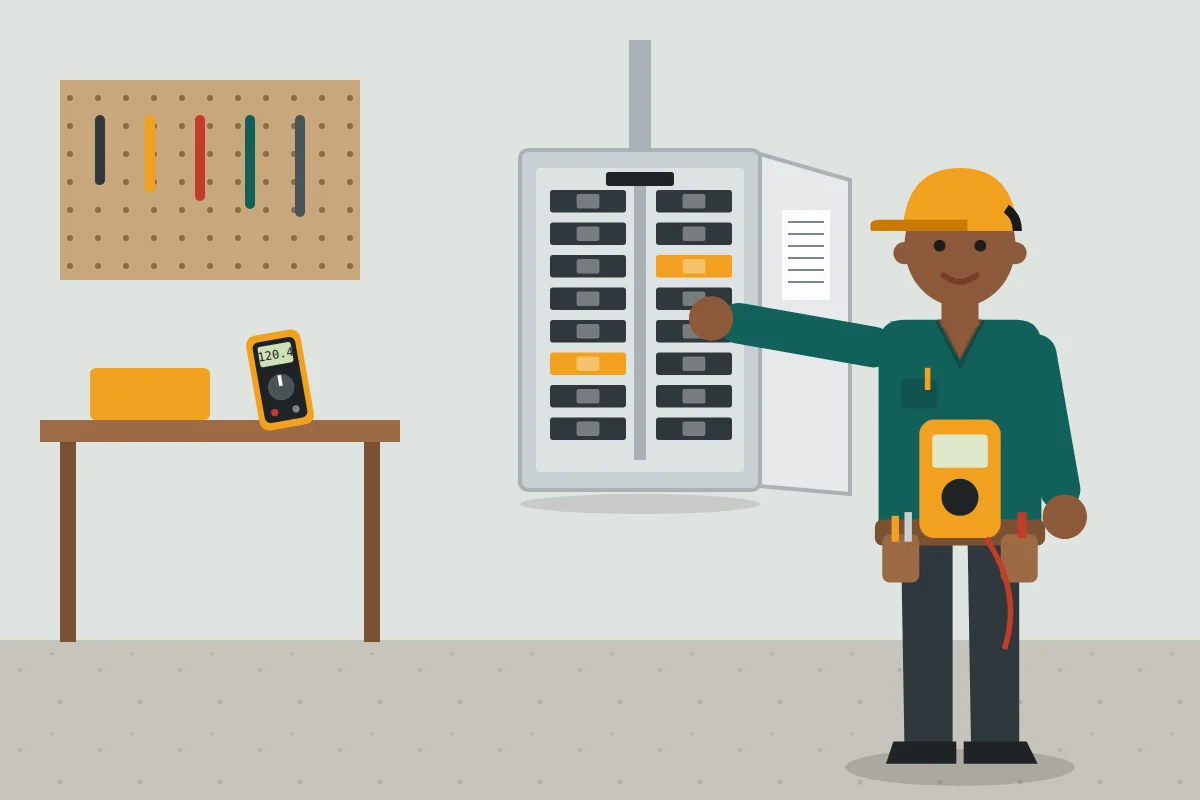
An electrician will check the appliance requirements, map out the existing kitchen circuits and confirm the panel can support another breaker. If the panel is full, options include rearranging circuits, a subpanel or a service upgrade, depending on what the home needs overall. See not enough breaker space if that's your situation.
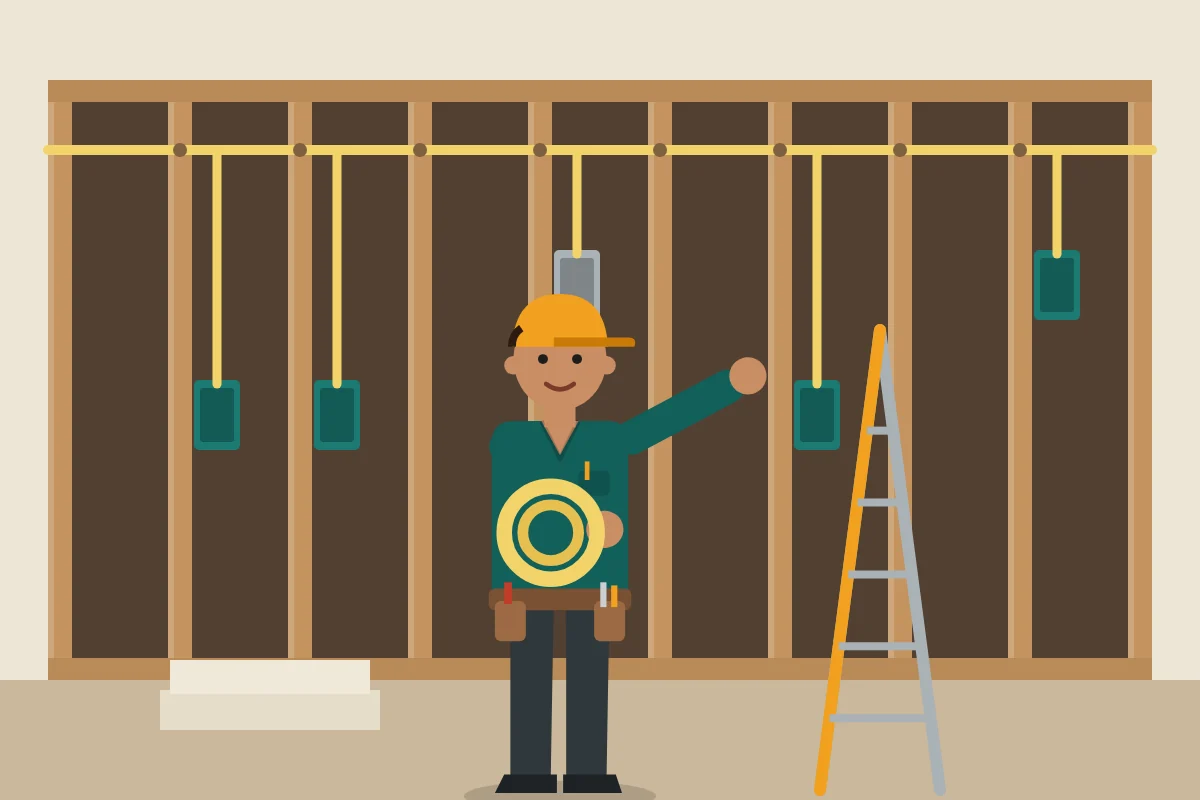
The work usually involves running new cable from the panel to the appliance location, installing a properly sized breaker, and adding the right outlet or a hardwired connection. Countertop outlets may need GFCI protection updated at the same time. Planning ahead with dedicated appliance circuits before cabinets and backsplash go in makes the job simpler. The dedicated circuit guide covers which appliances typically need one.
Keeping it from coming back
Before buying a new kitchen appliance, read its electrical requirements and compare them to what's behind the cabinet. During any kitchen remodel, plan circuits for every major appliance and for countertop use up front, since opening walls later costs more time and disruption.