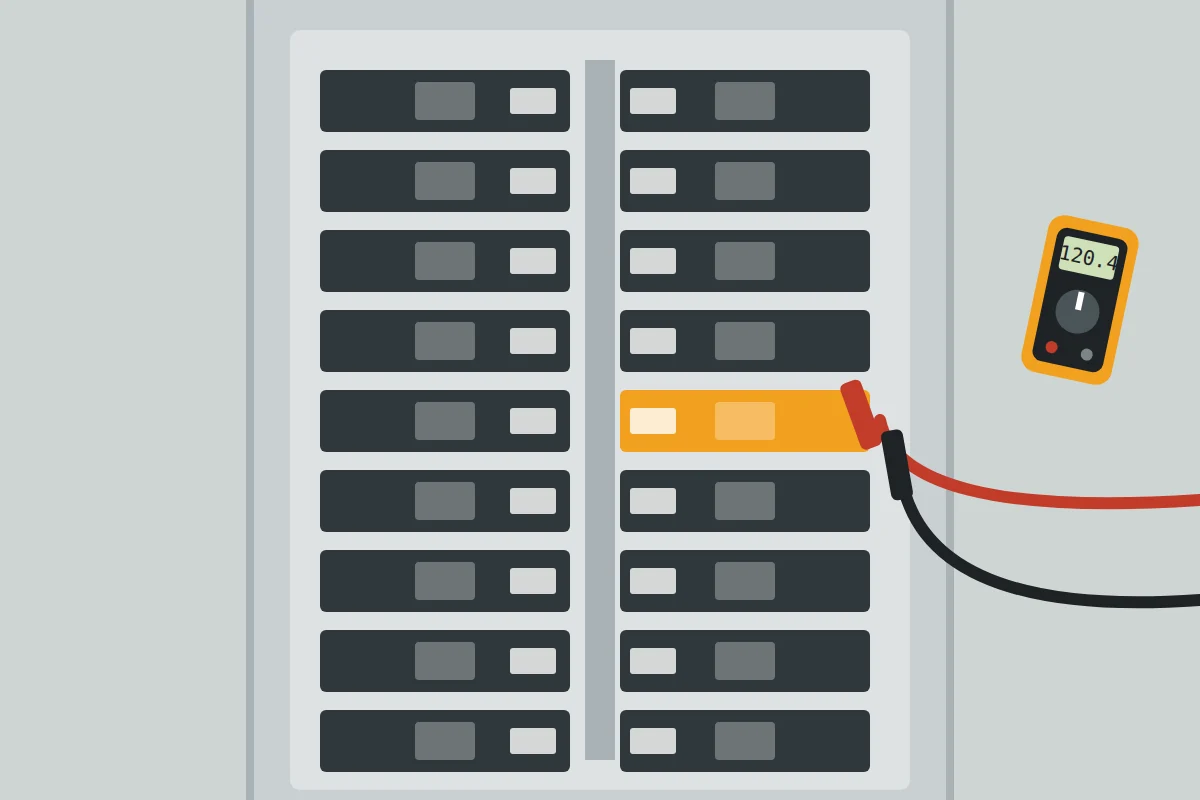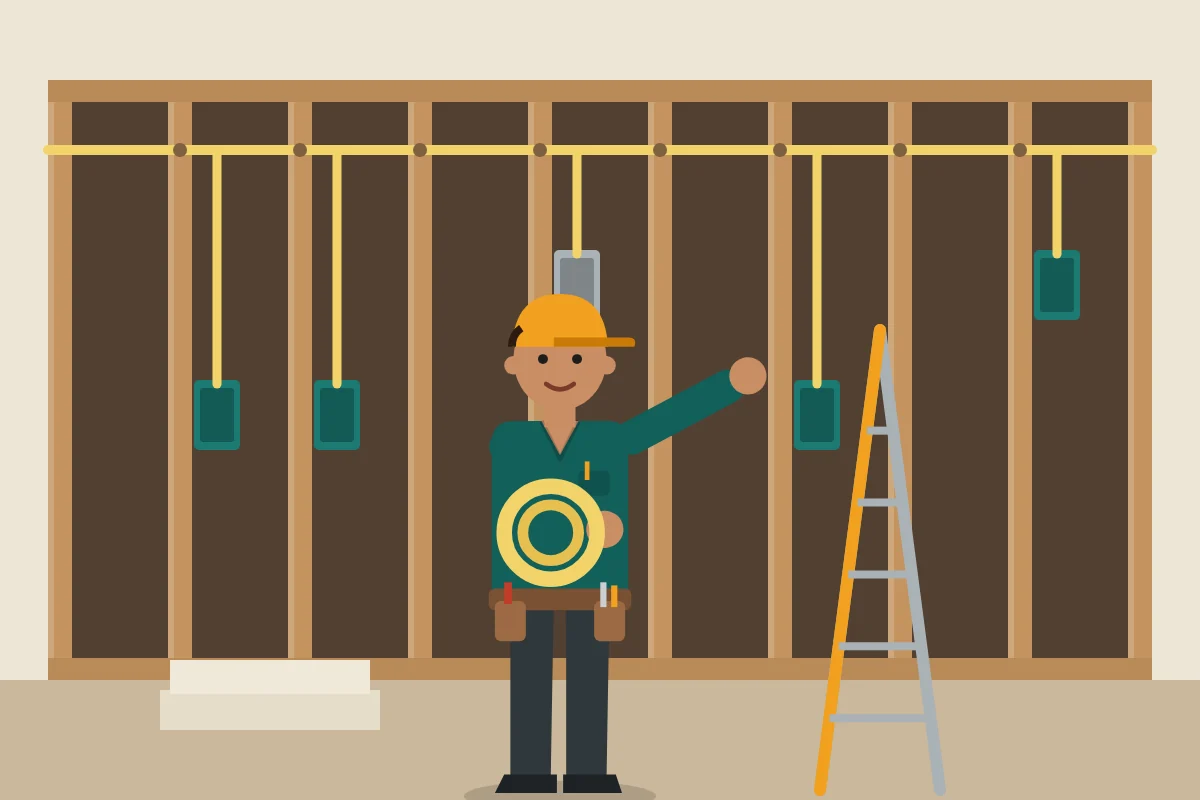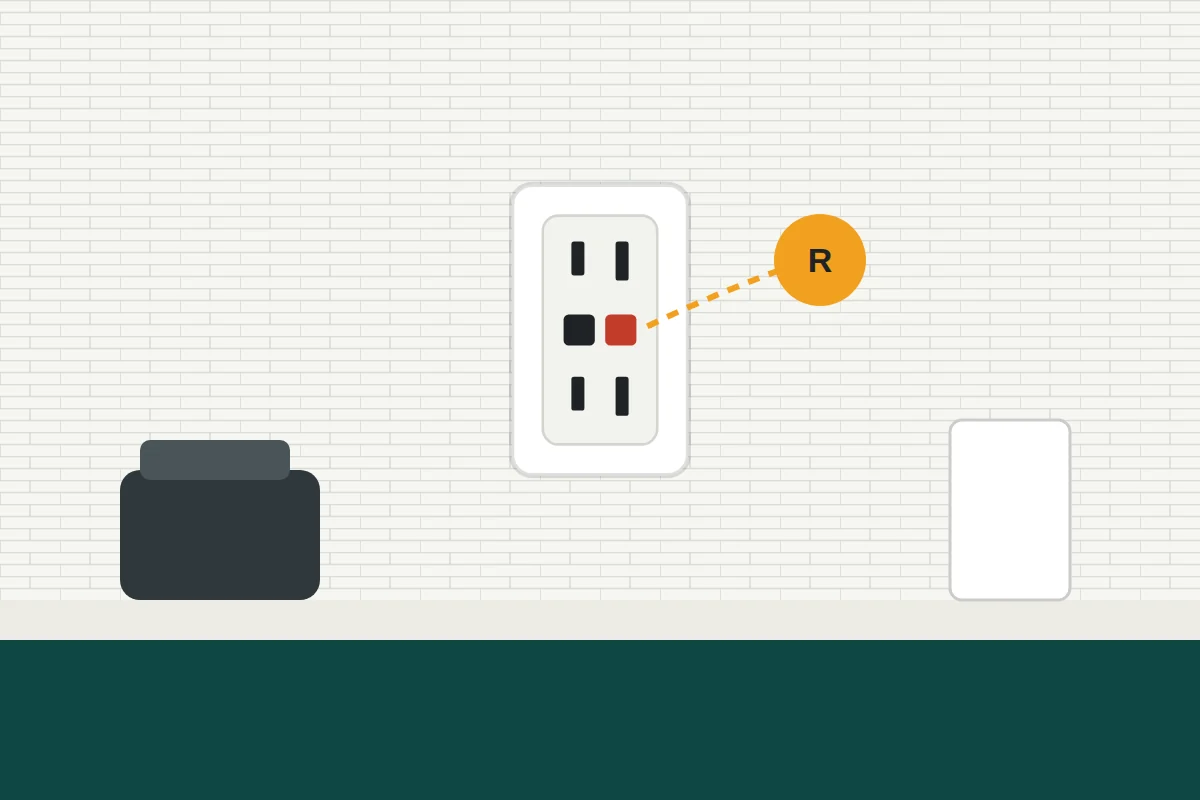

Chattanooga homeowners call a kitchen electrician when outlets keep tripping, when adding a new appliance, or when planning a kitchen update. A call connects you with an independent local electrician who handles kitchen circuits.
How Kitchen Circuits Are Laid Out
Countertop outlets are served by at least two small-appliance circuits so a toaster and a coffee maker can run at once. Receptacles along the counter must be close enough that no spot is far from one, islands and peninsulas need their own outlets, and those receptacles need GFCI protection. Many kitchen circuits also need AFCI protection under current code.
Large appliances typically get their own circuits. A range or wall oven uses a 240-volt line, while the dishwasher, disposal, microwave and often the refrigerator each get separate 120-volt circuits. The dedicated circuit page explains that piece in detail. Lighting usually sits on a general circuit, layered with recessed, pendant and under-cabinet fixtures.
Kitchen Situations That Call for Wiring Changes
The microwave and toaster can't run together without tripping a breaker.
You want outlets in a new island or extended peninsula.
A gas range is being replaced with an electric or induction cooktop.
Under-cabinet lighting is on your list but there is no power near the cabinets.
An older kitchen has only one or two countertop outlets.
Kitchen Electrical Warning Signs
- Countertop outlets lack GFCI protection.
- Plugs fit loosely or outlets feel warm.
- Lights dim when the microwave or toaster runs.
- Power strips are permanently mounted to the backsplash.
- The refrigerator shares a circuit with counter outlets and trips with them.
Typical Kitchen Electrical Work
Kitchen work ranges from adding a GFCI outlet to a full rewire during a remodel. The electrician counts existing circuits, checks panel capacity and plans new runs around cabinets and appliances. Island outlets often require cutting into the floor or routing from below, which is easier with a basement or crawlspace.
- Number of countertop circuits and outlet spacing
- GFCI and AFCI protection on kitchen circuits
- Dedicated lines for the range, dishwasher, disposal and microwave
- Panel space for new appliance circuits
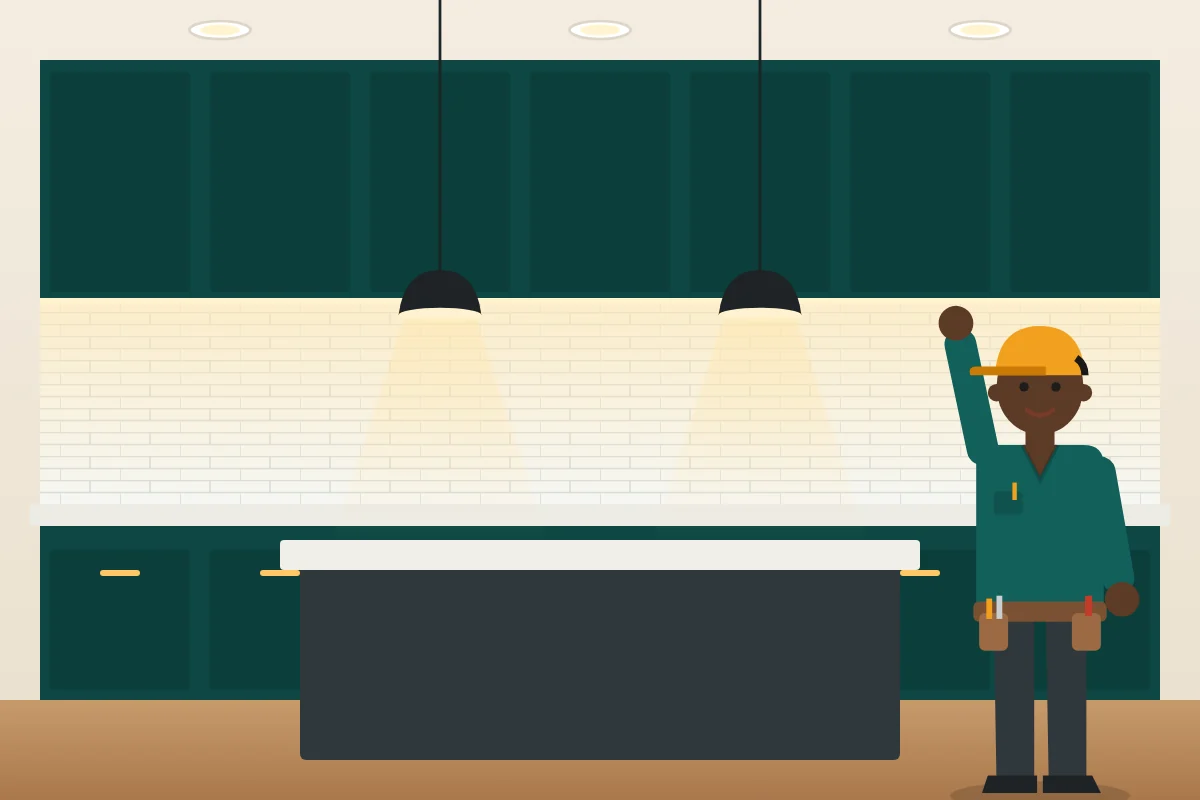
- Lighting layout, switch locations and dimming
How it usually works
Call about your kitchen
Describe the appliances, trouble spots and any remodel plans, and you will be connected with a local electrician.
Circuit assessment
The electrician checks how the kitchen is wired today and what the panel can support.
Layout and plan
Outlet positions, appliance circuits and lighting are matched to your cabinets and counters.
Install and test
New wiring and devices are installed, protected and tested under typical use.
For homes around Chattanooga
Many older Chattanooga kitchens, especially in early 1900s homes around Highland Park and St. Elmo, were wired for a refrigerator and a few small appliances. Today's air fryers, coffee machines and induction cooktops ask much more of those circuits. In mid-century ranches, kitchens are often the first room opened up during an electrical remodel. If an appliance is already causing trips, the appliance circuit page explains likely causes.