
Inspections, Code & Real Estate

Electrical Code Corrections in Chattanooga

Electrical code corrections are repairs made in response to a list: items flagged by a permit inspector after a project, or by a home inspector during a sale. The work is defined by someone else's findings, and the goal is to correct each item properly.

Your call connects you with an independent local electrician who serves your area.

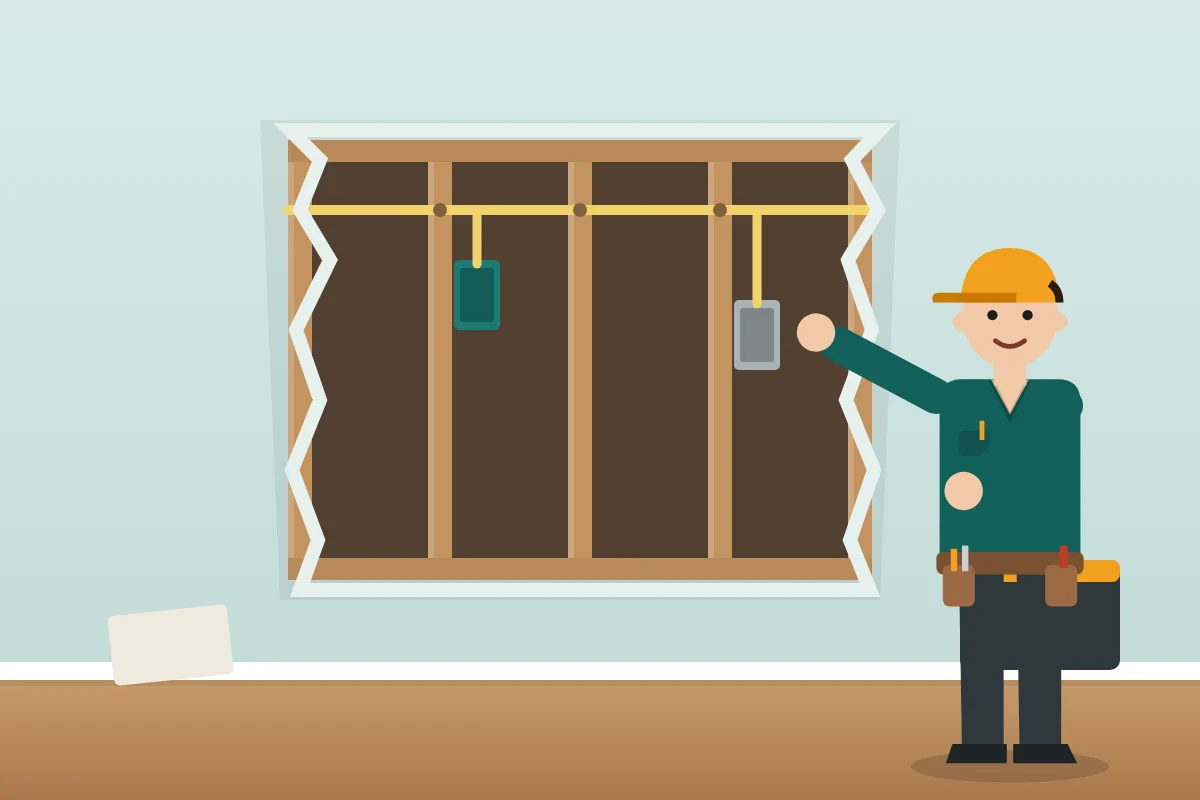
Illustration of an electrician repairing wiring behind opened drywall

If you need an electrical code electrician in Chattanooga, a call connects you with an independent local electrician who can read the report, confirm each item on site and make the safety corrections needed. This is narrower than a full electrical inspection: the list already exists.

How Code Correction Work Is Handled

The electrician starts by matching each item on the report to what is actually in the house. Inspectors' notes are often brief, so confirming the condition matters. Some items are quick, like adding a cover to an open junction box. Others, like an overfused circuit or a double-tapped breaker, take more work.

Electrical codes change over time, and an older home is not automatically required to meet every current rule. The electrician can explain which items are true hazards, which are required because of new work, and which are recommendations. That clarity is especially useful during a home sale.

When Homeowners Need Corrections

  1. A permit inspection failed on a remodel or DIY project.

  2. A buyer's home inspection listed electrical defects.

  3. An insurer flagged an older panel or wiring type.

  4. Previous owners left wiring that was never permitted.

  5. An electrician found violations while doing other work.

Items That Commonly Get Flagged

  • Missing GFCI protection in kitchens, baths, garages or outdoors.
  • Double-tapped breakers or breakers too large for the wire.
  • Open junction boxes or splices outside of a box.
  • Reversed polarity or ungrounded three-prong outlets.
  • Missing or outdated smoke alarms.

What the Corrections May Involve

Work can include adding protection devices, correcting breaker sizes, installing boxes and covers, replacing damaged cable, or rewiring a section installed incorrectly. If the original work was permitted, a reinspection may be needed after corrections are made.

  • Each flagged item confirmed on site
  • Breaker sizes matched to wire gauge
  • Splices enclosed in proper boxes with covers
  • GFCI and AFCI protection added where required
  • Grounding and polarity corrected
  • Reinspection arranged if a permit is involved
Illustration of a homeowner and an electrician reviewing project plans at a dining table
Illustration. People shown are not contractors listed on this site.

How it usually works

  1. Call with the report

    Have the inspection report or correction notice ready when you call.

  2. Get connected

    You are connected with an independent electrician familiar with residential corrections.

  3. Confirm and correct

    The electrician checks each item on site and makes the needed corrections.

  4. Close it out

    Any required reinspection is arranged and you get a record of what was done.

For homes around Chattanooga

Permit and inspection practices differ among Chattanooga, surrounding Hamilton County communities and nearby Georgia and Alabama jurisdictions. A correction notice from one office may be handled differently from a report written by a private home inspector. The electrician you are connected with can tell you which office, if any, needs to sign off.
Related problems

Problems that often lead to electrical code corrections

  • Electrical Wiring Has No Ground

    Ungrounded wiring is common in older homes and can be addressed with grounding conductors, GFCI protection or rewiring, depending on the circuit.

    Get it checked soon
  • Electrical Panel Has Too Many Breakers

    A crowded panel with tandem breakers or two wires under one screw can be a code and safety problem, especially in homes that have added circuits over the years.

    Get it checked soon
  • Outlet Falls Out of Wall

    An outlet that pulls out of the wall usually has a loose box, missing mounting ears or crumbling plaster, and it stresses the wiring every time you unplug something.

    Get it checked soon

Related services

Often planned alongside electrical code corrections

Inspections, Code & Real Estate

Electrical Inspections

A thorough evaluation of your home's panel, wiring, grounding and safety devices, with clear findings on hazards and wear.

Inspections, Code & Real Estate

Electrical Work for Home Sales

Pre-sale electrical checks, repairs and documentation that help sellers handle electrical issues before a buyer's inspection finds them.

Wiring & Older Homes

GFCI & AFCI Protection

Shock protection near water and arc-fault protection for living spaces, added or corrected by a local electrician in the Chattanooga area.

Inspections, Code & Real Estate

Electrical Safety Upgrades

Practical protections like GFCI and AFCI coverage, hardwired alarms and grounding fixes, prioritized for the house you actually live in.

Service areas

Electrical Code Corrections around Chattanooga

Homeowners from Soddy-Daisy to Ringgold call about electrical code corrections. Calls go to participating independent electricians; pick your community for local context.

See every service area →

FAQ

Electrical Code Corrections: common questions

Straight answers to the questions homeowners ask most about this topic.

Call Now

Generally, existing wiring is not required to be brought up to every current rule just because it is old. New work, altered circuits and real hazards are different. An electrician can tell you which flagged items fall into which category.

It means two wires are connected under a breaker terminal designed for one. That can cause loose connections and heat. The usual fix is to pigtail the wires or move one to its own breaker if space allows.

Electrical corrections should be made by a licensed electrician, and many jurisdictions require it for permitted work. The electrician can also coordinate the reinspection and explain the corrections to the inspector.

A three-prong outlet suggests a ground that is not there, which can mislead people plugging in equipment. Common fixes include running a ground, adding GFCI protection with proper labeling, or returning to two-prong devices.

That depends on the sale agreement and the buyer's requests, not just the report. An electrician can separate true safety hazards from recommendations so you can negotiate with good information.

Many corrections happen at the panel, outlets and accessible junction boxes. Some, like replacing damaged cable inside a finished wall, may require small openings. The electrician should tell you before any wall is opened.

Call now

Ready to talk about electrical code corrections?

One call connects you with a local electrician who can look at your home and explain your options.

Your call connects you with an independent local electrician who serves your area.